Dental Loans
SDN Dental Loans: The Ultimate 2026 Guide to Financing Dental School
If you have spent any time on the Student Doctor Network forums searching for “SDN dental loans,” you already know the feeling. You have seen the threads where students openly panic about $400,000, $500,000, even $600,000 in debt. You have read the late-night posts from pre-dental students asking if the financial burden is even survivable, and you have probably wondered the same thing yourself. The anxiety is real, and the forum is where that anxiety lives unfiltered. This guide exists to bridge the gap between the raw, anecdotal advice on SDN and the structured, actionable information you need to make a decision in 2026. The landscape has shifted dramatically this year, and understanding those changes is the difference between a manageable career and a financial trap.
Table of Contents
What Are “SDN Dental Loans”? Understanding the Forum Context
Federal Loan Landscape for Dental Students in 2026 (The Big Change)
Top Private Lenders for Dental School (Rates and Features for 2026)
What Are “SDN Dental Loans”? Understanding the Forum Context
When people search for “SDN dental loans,” they are not looking for a lender. They are looking for the collective, unfiltered wisdom of the Student Doctor Network, a peer-to-peer forum where dental students, residents, and practicing dentists share their real-world experiences with financing a dental education. SDN is the digital locker room where students confess their fears about compound interest, vent about the cost of private schools like NYU or USC, and swap strategies for paying down six-figure balances before they turn fifty.

The emotional validation found in these threads is powerful. A student staring at a financial aid award letter for $93,000 per year in tuition alone can find a thread full of people who signed the same papers and lived to tell about it. But SDN advice is inherently anecdotal. One user’s aggressive repayment success story sits next to another’s twenty-year regret. This guide takes that raw material and organizes it into a data-driven framework, updated specifically for the regulatory changes that took effect in 2026.
Federal Loan Landscape for Dental Students in 2026 (The Big Change)
The federal loan system for dental students has undergone a seismic shift this year. If you are starting dental school on or after July 1, 2026, the rules are fundamentally different from what previous generations experienced, and the SDN threads from 2023 or 2024 will not reflect this new reality.
The End of Grad PLUS Loans (Effective July 1, 2026)

The biggest news in dental education financing is the elimination of Direct PLUS loans for new graduate and professional students. According to the American Dental Education Association, students starting dental school on or after July 1, 2026, are no longer eligible for Grad PLUS loans. For years, Grad PLUS was the safety valve that allowed students to borrow up to the full cost of attendance regardless of how expensive their program was. That valve is now closed.
The immediate impact is a funding gap that cannot be ignored. Direct Unsubsidized Loans, the remaining federal workhorse, are capped at $20,500 per year. When tuition alone at a private dental school can approach $93,000 annually, that cap leaves a chasm. Students who would have simply clicked “accept” on a Grad PLUS award letter must now actively seek private loans or alternative funding sources to cover the difference. The era of passive borrowing is over.
What Remains Available (Direct Unsubsidized and HPSL)
The federal government still offers Direct Unsubsidized Loans with an annual limit of $20,500 for dental students. These loans carry a fixed interest rate set by the government and do not require a credit check, making them accessible but insufficient on their own. For students from disadvantaged backgrounds, Health Professions Student Loans provide a need-based option with low interest rates, but availability is limited and depends entirely on your school’s participation in the program. The takeaway is stark: federal options are now severely restricted for new borrowers, and private loans have become the primary vehicle for financing a dental education.
Top Private Lenders for Dental School (Rates and Features for 2026)
With Grad PLUS off the table, private lenders are now the main event. Both Sallie Mae and SoFi offer up to 100 percent coverage of school-certified costs, including tuition, fees, housing, meals, and travel. But the details matter, and the SDN forums are full of students trying to parse which lender offers the better deal.
Sallie Mae Dental School Loan
Sallie Mae offers fixed rates ranging from 2.89 percent to 14.98 percent APR and variable rates from 3.62 percent to 13.22 percent APR, current as of mid-2026. The lender covers up to 100 percent of school-certified costs and provides a 12-month grace period after graduation, with residency deferment options available for those who need more time.
The feature that sets Sallie Mae apart is the Dental Residency and Relocation Loan, a separate product offering up to $30,000 specifically for board exam fees, travel, and moving expenses associated with starting a residency. This is a gap no other major lender addresses directly, and for students planning to specialize, it can be the deciding factor. No origination fees and a 0.25 percentage point autopay discount apply to the primary dental school loan.
SoFi Dental School Loan
SoFi offers fixed rates from 2.98 percent to 15.33 percent APR and variable rates from 4.39 percent to 16.36 percent APR. Like Sallie Mae, SoFi covers up to 100 percent of school-certified costs and provides a 0.25 percentage point autopay discount. The lender also includes unemployment protection in the form of forbearance options if you lose your job after graduation.
SoFi’s unique incentive is a GPA-linked cash bonus. Borrowers who maintain a 3.0 GPA or higher can receive up to $250 cash back, a small but meaningful reward that acknowledges the academic pressure dental students face. No origination fees apply, and the application process is entirely online, which appeals to students who want to avoid paperwork.
Comparing Cosigner Release Policies
Most SDN threads gloss over cosigner release policies, but this detail matters enormously if you are asking a parent or relative to put their credit on the line. Sallie Mae typically allows cosigner release after 12 to 24 consecutive on-time payments of principal and interest, though exact terms depend on your loan agreement. SoFi generally requires 24 to 48 months of on-time payments plus a credit check before releasing a cosigner. If you need a cosigner, prioritize a lender with a clear and predictable release policy. Your cosigner’s credit score should not be held hostage for a decade because of fine print you overlooked.
Aggressive Repayment Strategies (The “SDN Forum” Approach)
The SDN forums are famous for their intense, sometimes alarming, repayment strategies. These are not the sanitized, ten-to-twenty-year plans you find on financial aid websites. They are plans born from desperation and a visceral hatred of compound interest.
The “Live on $50k” Method
One of the most discussed strategies on SDN involves working five to six days a week immediately after graduation and living on $50,000 per year while throwing every remaining dollar at loan principal. The math is compelling. A dentist earning $180,000 annually could, in theory, direct over $100,000 per year toward debt repayment after taxes and living expenses. At that rate, a $400,000 loan balance could be eliminated in three to five years.
The risks are equally real. This approach leaves no room for retirement savings, emergency funds, or major life events like marriage, children, or buying a home. Burnout among dentists who work six-day weeks is well-documented, and the strategy demands a level of discipline that is difficult to sustain. It works on a spreadsheet, but life rarely follows a spreadsheet.
Service Commitment Programs (NHSC and Military)
The National Health Service Corps offers up to $50,000 in tax-free loan repayment for two years of full-time service at an approved site in a Health Professional Shortage Area. The Armed Forces scholarship programs go further, covering full tuition plus a living stipend in exchange for a service commitment of three to four years.
The trade-off is flexibility. NHSC service sites are often rural or underserved urban areas, and the commitment conflicts directly with specialization timelines. You cannot complete an orthodontics residency while serving in an HPSA. For students who want to specialize immediately, these programs may delay that goal by years. The forum threads are full of dentists weighing this exact tension.
The 20-Year Reality Check
Not everyone can or should pursue aggressive repayment. One SDN forum user who graduated from NYU in the early 2010s with $550,000 to $600,000 in debt is still paying it off more than twenty years later. That timeline is not a failure; it is a reality for many graduates who choose income-driven repayment or extended plans. The trade-off is a lower monthly payment in exchange for decades of interest accrual. A critical gap in most discussions is the tax implication: loan forgiveness under income-driven repayment or Public Service Loan Forgiveness may be treated as taxable income in 2026 unless legislation changes. A forgiven balance of $300,000 could trigger a six-figure tax bill in the year of forgiveness.
Specialization vs. Debt: The Orthodontics Dilemma
The SDN forums reveal a recurring conflict that official financial aid resources rarely address: the tension between wanting to specialize in fields like orthodontics and the immediate pressure of managing six-figure debt. Orthodontics residencies often pay little or nothing, and some even charge tuition. During those years, loan payments may be deferred, but interest continues to accrue, silently inflating the balance.
NHSC service commitments add another layer of complexity. You cannot fulfill a service obligation in a Health Professional Shortage Area while simultaneously completing a specialty residency. The timelines are mutually exclusive. The strategic advice that emerges from experienced forum users is to consider working as a general dentist for two to three years before applying to a residency program. Those years of income can be used to pay down debt aggressively, reducing the balance before interest has years to compound during specialty training. It delays the dream, but it may save the financial future.
How to Choose Between Dental Schools (Cost vs. Opportunity)
The “School A vs. School B” threads are among the most agonized-over posts on SDN. The framework for making this decision starts with total cost of attendance. A private school at $93,000 per year in tuition alone versus a state school at $40,000 per year can mean a difference of over $200,000 in principal by graduation. That gap widens dramatically once interest is factored in over a ten- or twenty-year repayment period.
There is a practical risk that SDN users discuss openly: turning down multiple acceptances can result in being effectively blacklisted from those schools if you reapply in the future. Admissions committees keep records, and a student who declines an offer may not receive a second one. Weigh this against the financial pressure of accepting an expensive offer out of fear.
Location matters in concrete financial terms. The cost of living in New York City or San Francisco can add $20,000 or more per year to your loan burden compared to a midwestern or southern city. For female students, the forum highlights an additional stress that financial aid offices rarely mention: the intersection of fertility timelines and debt repayment. Taking time off for maternity leave during the prime repayment years can reduce income and extend the debt timeline. Factoring in potential income gaps is not pessimistic; it is realistic planning.
Frequently Asked Questions (People Also Ask)
What is the best dental financing company?
There is a persistent confusion in search results that needs clarification. When people ask this question, they often encounter “Cherry,” which is a patient financing platform used in dental practices, not a student loan provider. For dental school student loans, there is no single best lender. The right choice depends on your credit score, whether you have a cosigner, and which features matter most to you. Sallie Mae’s residency and relocation loan is valuable for future specialists. SoFi’s GPA bonus and unemployment protection appeal to students who want flexibility and small incentives. Compare offers from both before committing.
Can I use private loans to cover living expenses?
Yes. Both Sallie Mae and SoFi allow you to borrow up to 100 percent of your school-certified cost of attendance, which includes housing, meals, transportation, and personal expenses. Your school’s financial aid office determines the total cost of attendance figure, and your loan cannot exceed that certified amount.
What happens if I cannot make payments during residency?
Most private lenders offer residency deferment options that extend beyond the standard grace period. Sallie Mae and SoFi both provide deferment and forbearance options for borrowers in residency programs. Interest will continue to accrue during this period, so the loan balance will grow if you are not making interest-only payments. Contact your lender before you miss a payment to understand your specific options.
Conclusion and Next Steps
The 2026 landscape for dental school financing is defined by one major change: Grad PLUS loans are gone for new students, and private loans are now the default for covering the gap between federal limits and the true cost of attendance. This is not a reason to panic, but it is a reason to plan carefully. Use the SDN forums for what they do best: emotional support, peer stories, and the unvarnished truth about what debt feels like years after graduation. Use this guide for the structured, current information you need to compare lenders, understand repayment strategies, and make a decision that aligns with your career goals and personal life.
Compare current rates from Sallie Mae and SoFi using the links available on our site. Check your credit score before applying so you have a realistic sense of the rate range you qualify for. The debt will be significant, but a clear-eyed approach to borrowing and repayment can keep it manageable.
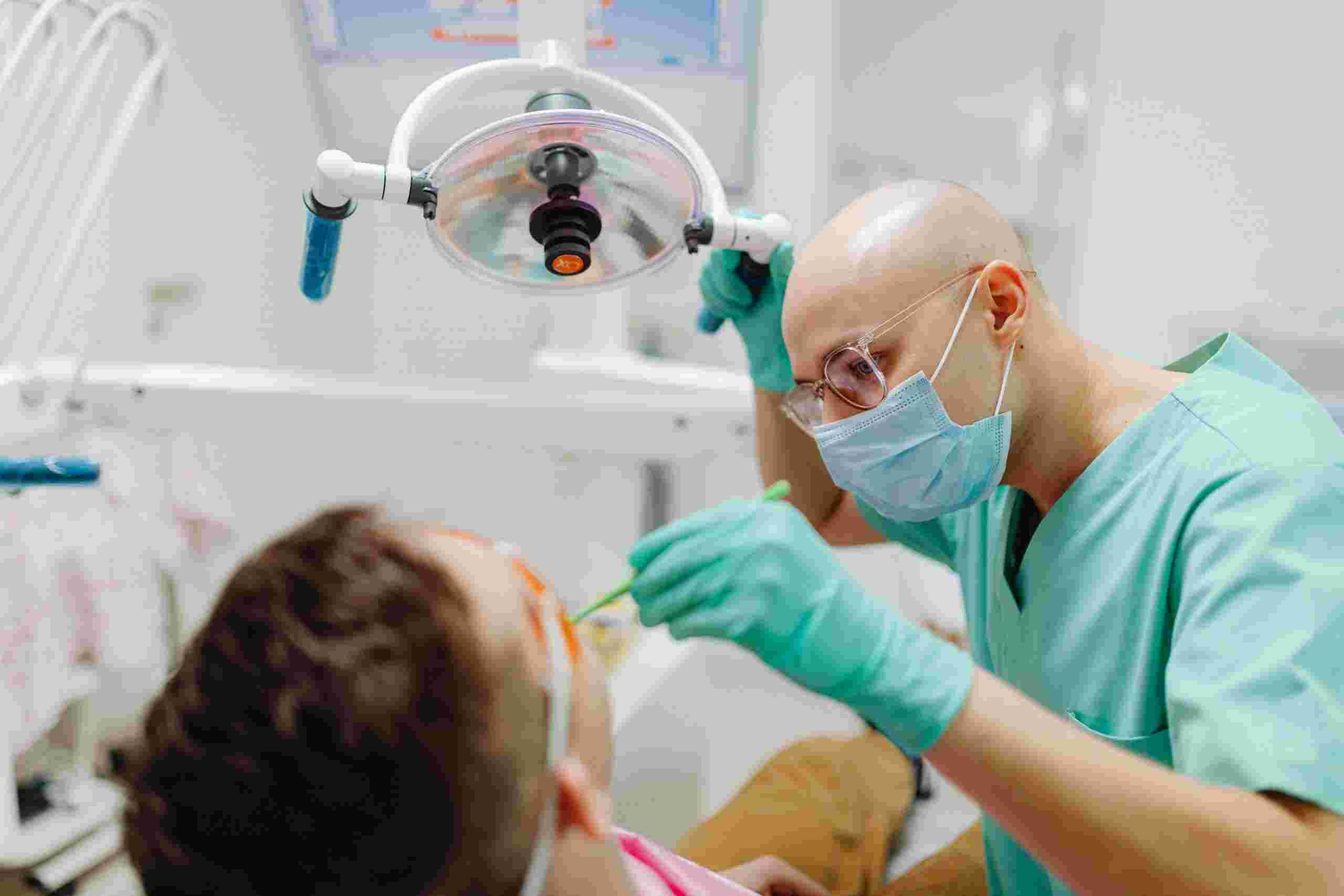
Dental Loans with No Credit Check (2026 Guide): 5 Ways to Get Approved Today
If you have been putting off a root canal, a crown, or even a full set of dentures because you are afraid your credit will get you rejected, this guide is for you. Dental loans with no credit check are not a myth. They exist in 2026, and they are more accessible than most people realize. You do not need a 700 FICO score to fix your teeth. What you need is a clear understanding of which programs actually bypass traditional credit checks, how they work, and what they cost. This article will walk you through five specific, vetted options that let you walk into a dentist’s office this week and leave with a treatment plan you can afford, no credit score required.
Table of Contents
Why “No Credit Check” Dental Loans Matter in 2026
The math is simple and unforgiving. A single crown costs between $700 and $1,400. A root canal runs $1,000 to $1,300. Dental implants can easily exceed $6,000 per tooth. Meanwhile, over 40 percent of US adults carry subprime credit or have no credit file at all. When a traditional lender pulls your credit and sees a thin file or a low score, the application dies right there. That rejection is not just a financial inconvenience. It means the toothache continues, the infection spreads, and a $200 filling becomes a $2,000 extraction and implant six months later.

No-credit-check dental financing solves this by shifting the underwriting criteria. Instead of judging you by your credit report, these programs look at your income, your bank account history, or your relationship with the dental practice itself. Some use a soft credit pull, which leaves your score untouched. Others use no credit inquiry at all. The distinction matters. A hard pull temporarily dings your score by a few points and stays on your report for two years. A soft pull is invisible to anyone but you. When a program advertises “no credit check,” confirm whether they mean no hard pull, no pull at all, or an alternative data review. All three are better than a traditional hard inquiry, but the terms and costs vary widely.
There is a trade-off. No-credit-check financing often comes with shorter zero-interest windows, higher standard APRs, or origination fees that a prime-credit loan would not charge. That does not make these programs predatory. It makes them a tool. Used wisely, paid off within the promotional period, and chosen with full awareness of the fine print, they are the difference between suffering and smiling.
Top 5 Dental Loans with No Credit Check (2026 Comparison)
The following five options represent the most reliable, widely available no-credit-check dental financing programs in 2026. Each one takes a different approach, and the right choice depends on your procedure, your budget, and where you live.
1. iCare Financial – 0% Interest and Instant Approval
iCare Financial has carved out a unique position by offering a patented, zero-interest program that requires no credit check and delivers instant approval. The patient experience is remarkably fast. You sit in the dentist’s chair, the office staff enters your information, and within about 60 seconds you have a decision. There is no waiting period, no stack of paperwork, and no hard inquiry on your credit report.
The program works because the dental practice itself funds the care. iCare provides the technology and administrative backbone, but the financial risk sits with the provider, not a third-party bank. That structure allows iCare to offer true zero-percent interest with no hidden origination fees. For patients needing between $500 and $10,000 in work, this is often the cheapest way to finance dental care period, not just among no-credit-check options.
The catch is availability. iCare is only offered at dental practices that have enrolled in the program. As of 2026, the network has grown substantially, but it is not everywhere. Before you get your hopes up, check the provider locator on iCare’s website or call your dentist and ask directly. If your current dentist does not participate, you may need to switch providers to access the program. For many patients, the savings justify the switch.
2. Cherry – 35-Second Application and 90 Percent Approval
Cherry entered the dental financing market with a bold promise: an application that takes under 35 seconds and approval rates approaching 90 percent. In 2026, those numbers hold up. Cherry uses a soft credit check that does not affect your score, and its underwriting model is tuned to approve borrowers that traditional lenders reject.
Speed is Cherry’s defining advantage. If you are sitting in an endodontist’s office with a swollen jaw and a quote for an emergency root canal, you cannot afford to spend an afternoon applying for loans. Cherry’s mobile-first application lets you get approved while the dentist preps the operatory. The promotional terms typically offer zero interest if you pay the full balance within a set period, usually six or twelve months. After that, a variable APR kicks in, so you need a clear payoff plan.

Cherry has expanded aggressively and is now accepted at over 10,000 dental offices nationwide. That footprint makes it one of the most accessible no-credit-check options. If your dentist does not mention Cherry, ask. Many practices have the capability but do not advertise it prominently.
3. Sunbit – No Credit Check and Low Monthly Payments
Sunbit takes a different approach. Instead of a promotional zero-interest period, Sunbit structures its financing as a fixed-term loan over six or twelve months with predictable monthly payments, sometimes as low as $50. The company uses a proprietary real-time underwriting model that does not pull a traditional credit report. Approval is based on factors like your income, your banking history, and the specifics of the purchase.
This structure works well for mid-range procedures in the $500 to $5,000 range. You know exactly what you will pay each month and exactly when the loan ends. There is no deferred-interest trap where a missed payment triggers retroactive interest on the entire original balance. The trade-off is that Sunbit’s standard APR can be higher than a prime credit card or a CareCredit promotional plan. Always review the APR disclosure before signing. If the monthly payment fits your budget and you have no cheaper alternative, Sunbit is a solid, transparent option.
Sunbit is widely accepted at large dental chains, including Aspen Dental locations. If you are near a corporate dental practice, there is a good chance Sunbit is on their list of payment options.
4. Aspen Dental via American First Finance – No Credit Needed
Aspen Dental has built its brand around accessibility, and its financing partnership with American First Finance extends that philosophy to payment. American First Finance, or AFF, specializes in no-credit-needed approvals. Instead of pulling your credit report, AFF evaluates your income and bank account transaction history. If you have a steady paycheck and a functioning checking account, you have a strong chance of approval.
This program is particularly valuable for high-ticket procedures. Full-mouth restorations, implant-supported dentures, and complete upper and lower arches can run $10,000 to $30,000 or more. Traditional lenders balk at those amounts for borrowers with thin credit. AFF’s model makes them feasible. In 2026, AFF introduced a “Fresh Start” tier that offers lower APRs for first-time borrowers who complete their initial loan on time, creating a path to better terms for future care.
The limitation is obvious. AFF financing is only available at Aspen Dental locations. With over 1,000 offices nationwide, that covers a lot of geography, but it is not universal. If you live near an Aspen Dental and need major work, this is worth a consultation.
5. In-House Payment Plans – Direct from the Dentist
Before third-party financing existed, dentists carried their own paper. Many still do. An in-house payment plan is exactly what it sounds like: you agree to pay the dentist directly over time, and the practice does not involve a bank, a credit check, or an outside lender. Terms vary by practice, but a common structure is zero percent interest for six to twelve months, or fixed monthly payments spread over twenty-four months.
The advantages are significant. There is no credit inquiry of any kind. The approval decision rests with the dentist, who already knows you and has a vested interest in keeping you as a patient. There are no third-party fees, no complex terms, and no risk of a financing company changing the rules mid-stream. For patients with an established relationship at a private practice, this is often the simplest and cheapest path.
The downside is inconsistency. One dentist may offer generous terms. Another may require fifty percent down and full payment in ninety days. If you miss a payment, the practice can send the debt to collections, and there is no standardized consumer protection framework like you would get with a regulated lender. Ask for the terms in writing. Confirm the interest rate, if any. Confirm whether there is a penalty for early payoff. Treat the agreement with the same seriousness you would a bank loan.
How to Compare Dental Loans with No Credit Check
Choosing between these options requires looking past the marketing claims and focusing on three factors that determine the real cost and feasibility of the loan.
First, calculate the total cost of borrowing. A program that advertises zero percent interest may still charge an origination fee, a monthly administrative fee, or a steep late-payment penalty. A program with a higher APR but no fees may actually be cheaper if you pay it off quickly. Always ask for the total dollar amount you will pay from start to finish, not just the monthly payment or the promotional rate.
Second, verify the provider network. iCare and Cherry require the dentist to be enrolled. Sunbit and AFF are more widely accepted but still not universal. Calling the dentist’s office and asking which no-credit-check programs they accept takes five minutes and prevents the frustration of finding a great financing option that you cannot actually use.
Third, examine the repayment flexibility. Can you pay off the balance early without a penalty? Is there a grace period for a late payment, or does a single missed due date trigger default interest? These terms vary dramatically. A plan that looks cheap on paper can become expensive fast if it lacks flexibility for the inevitable surprises life throws at you.
A quick comparison across the major options: iCare offers zero percent APR with no fees, but limited to participating practices. Cherry offers a zero percent promotional period with variable APR thereafter, plus broad availability. Sunbit offers fixed APR with low monthly payments and no deferred-interest traps. AFF offers income-based approval with no credit check, tied to Aspen Dental locations. In-house plans offer maximum flexibility and zero credit impact, but terms are entirely at the dentist’s discretion.
What About Government Dental Loans? The Truth
One of the most common related searches is “government loans for dental work.” The search volume suggests a lot of people are hoping for a federal program that writes checks for root canals. Here is the reality in 2026: the US government does not offer direct dental loans to individuals. Medicare does not cover routine adult dental care. Most state Medicaid programs provide limited or no adult dental benefits beyond extractions. There is no FHA dental loan, no USDA rural dental grant, and no federal voucher program for crowns.
What does exist is a patchwork of state and local resources. Some state health departments fund dental assistance programs for low-income residents, seniors, or people with disabilities. Dental schools offer reduced-cost care performed by supervised students, often at fifty percent or more off private-practice prices. Sliding-scale clinics adjust their fees based on your income. Charitable organizations like the Dental Lifeline Network provide free care to elderly and disabled patients who cannot afford treatment.
To find these resources, start with your state’s Department of Health website and search for “dental assistance.” Call 211, a national referral service that connects callers with local health and human services programs. Contact the nearest dental school and ask about their patient clinic. These options are not loans. They are discounts, grants, or charity care. But when combined with a no-credit-check financing plan for the remaining balance, they can make a treatment plan affordable.
Another underused strategy is pairing a dental discount plan with no-credit-check financing. Companies like DentalPlans.com offer membership programs that reduce procedure costs by ten to sixty percent at participating dentists. You pay an annual membership fee, typically under $150, and then access negotiated rates that are often lower than insurance-negotiated rates. If a discount plan cuts your $5,000 implant quote to $3,000, the amount you need to finance shrinks accordingly, and your monthly payment drops with it.
Frequently Asked Questions
Does CareCredit check credit? Yes. CareCredit performs a hard credit pull and requires a credit score typically above 620 for approval. It is not a no-credit-check option and should not be your first stop if your credit is damaged or nonexistent.
What credit score is needed for dental financing? Traditional lenders like CareCredit and LendingClub generally want a score of 620 or higher. The no-credit-check options in this guide bypass credit scores entirely, using income, bank history, or practice relationships instead.
Can I get dental work with no money down? Yes. iCare, Cherry, and many in-house payment plans require zero down payment. Sunbit and AFF may require a small down payment depending on the loan amount and your income profile, but it is often minimal.
Are there dental loans for unemployed people? Most no-credit-check lenders still require proof of income, which can include pay stubs, bank statements showing regular deposits, or unemployment benefit statements. Some in-house plans may be more flexible, especially if you have a long-term relationship with the dentist. If you have no income at all, focus on dental schools and charitable clinics rather than financing.
What happens if I cannot pay my dental loan? Late fees begin accruing immediately. After a period defined in your loan agreement, typically thirty to ninety days, the debt may be sent to collections. A collection account can damage your credit score even if the original loan involved no credit check. Always contact the lender or dental office before missing a payment. Many will work with you on a modified payment schedule if you communicate proactively.
Conclusion: Your Next Step
You do not need perfect credit to afford dental care in 2026. The five options detailed here, iCare, Cherry, Sunbit, American First Finance through Aspen Dental, and in-house payment plans, each offer a legitimate path to treatment without a traditional credit check. The key is acting before a small problem becomes a big one. A $200 cavity filled today will never become a $2,000 root canal next year.
Your next step is a phone call. Call your dentist’s office and ask which no-credit-check financing programs they accept. If they do not participate in any of the programs listed here, use the provider locators on the iCare or Cherry websites to find a nearby practice that does. When you sit down to sign the paperwork, read the terms. Confirm the total cost, the monthly payment, the interest rate after any promotional period, and whether there is a penalty for early payoff. A no-credit-check dental loan is a tool. Used with clear eyes and a payoff plan, it is the tool that lets you stop hurting and start smiling.
Poor Credit Dental Loans: 7 Ways to Get Financing in 2026
You are sitting in the dentist’s chair, numbed and anxious, when the verdict lands: you need a root canal, a crown, and maybe an implant. The treatment plan slides across the counter with a number that makes your stomach drop. Then comes the second wave of dread, the one that has nothing to do with drills or needles. Your credit score is wrecked, your savings account is a rounding error, and you have no dental insurance. You are not alone. Roughly 23 percent of Americans lack dental coverage, and the average person has less than a thousand dollars set aside for emergencies. That combination turns a painful tooth into a full-blown financial crisis. But poor credit dental loans exist, and they take more forms than most people realize. Some are traditional loans, some are payment plans, and some skip the credit check entirely. This guide walks you through every viable path, no judgment and no sugarcoating, so you can get the care you need without waiting for a perfect credit score that may never arrive.
Table of Contents
Why Dental Care Is So Expensive (And Why Credit Scores Matter)
Dental work carries price tags that shock even people with decent insurance. A routine exam with cleaning and x-rays averages $203. Fillings range from $139 to nearly a thousand dollars depending on the material and cavity size. Crowns run between $697 and $1,399 per tooth. Root canals, the procedure everyone dreads, cost anywhere from $984 to $1,337. Extractions seem simple until you see the range: $177 for a basic pull, but up to $2,685 for a surgical removal. And implants, the gold standard for replacing missing teeth, start around $642 for a single component but can climb past $12,474 for a full restoration. Clear aligners average $5,108, and traditional braces sit between $6,343 and $9,221.

These numbers are not abstract. They represent months of rent, a used car, or an entire year of careful budgeting, all concentrated into a single procedure you cannot postpone. When a tooth hurts, waiting makes everything worse, medically and financially.
Now layer in the credit score problem. Banks and credit unions, the traditional gatekeepers of personal loans, typically want to see scores of 660 or higher. If your score hovers between 580 and 620, their systems flag you as too risky, even if your income is stable and your dental pain is real. This is the trap: you need money for a health emergency, but the institutions that lend money treat your past financial mistakes as a permanent disqualifier. The term “poor credit dental loans” describes a category of financing built specifically for this gap. Some are actual installment loans from specialty lenders. Others are medical credit cards, in-house payment plans, or risk-assessment models that ignore your FICO score entirely. Understanding which type fits your situation is the difference between getting treated and walking out of the office in pain.
What Is the Minimum Credit Score for a Dental Loan?
Most dental financing companies set their floor somewhere between 600 and 660. CareCredit, the largest medical credit card issuer in the country, typically wants to see at least a 600, though approval also weighs your income and existing debt load. LendingUSA, a lender that specifically targets dental patients, advertises minimums as low as 580. That is still firmly in “fair credit” territory, not the deep subprime range, but it opens the door for millions of people who cannot qualify for a bank loan.

Then there is the outlier that changes the conversation entirely. iCare Financial, a company that markets directly to dental practices, offers financing with no credit check at all. Instead of pulling your FICO score, they run a data-driven risk assessment that looks at income, employment, and other behavioral factors. For someone with a 500 credit score or a thin credit file, this is the closest thing to guaranteed approval that exists in the dental financing world.
One critical point that gets lost in the anxiety of applying: a soft credit check, the kind used for prequalification, does not affect your score. You can test your eligibility with multiple lenders without any damage. Only when you formally accept an offer and the lender runs a hard inquiry does your score dip, typically by five to ten points, and even that is temporary. If your score is below 580, traditional dental loans are a long shot, but the alternative paths covered in the next section become your primary strategy, not your backup plan.
7 Options for Poor Credit Dental Loans in 2026
1. Medical Credit Cards (CareCredit)
CareCredit is accepted at over 250,000 provider locations, and for dental patients, it is often the first option the receptionist mentions. The card offers deferred-interest periods of six, twelve, eighteen, or twenty-four months. If you pay off the full balance within that window, you owe zero interest. The minimum credit score requirement sits around 600 to 640, which is more forgiving than most bank loans. The danger is the deferred-interest structure. If even one dollar remains unpaid when the promotional period ends, CareCredit charges all the interest that would have accrued from day one, calculated at roughly 26 percent APR. A $3,000 crown that you almost paid off can suddenly generate hundreds in retroactive interest. Use CareCredit only when you have a concrete, realistic plan to clear the balance before the deadline.
2. Bad-Credit Dental Loans (LendingUSA, Upstart, SoFi)
LendingUSA builds its entire brand around financing dental and medical procedures for borrowers with imperfect credit, accepting scores as low as 580. Their loans come with fixed monthly payments and terms that stretch from six months to several years. Upstart and SoFi, while better known for general personal loans, also cover medical expenses. Upstart uses an AI-driven underwriting model that considers education and job history alongside credit scores, which can help younger borrowers or those with thin files. SoFi requires a higher score, typically 680 or above, but offers lower APRs for those who qualify. Rates across these lenders span a wide range, roughly 8 percent to 36 percent APR, depending on your credit profile. For large, one-time expenses like a full-arch implant restoration costing $10,000 or more, a fixed-term personal loan is usually better than a revolving credit card because the predictable payments make budgeting easier and the interest rate is disclosed upfront.
3. In-House Financing (Dental Practice Payment Plans)
Many dental offices, including large chains like Aspen Dental and countless private practices, offer payment plans directly to patients. These arrangements bypass third-party lenders entirely. The practice sets a schedule, often with zero percent interest, and you make monthly payments until the balance is cleared. Because the dentist assumes the risk, there is frequently no credit check involved. The trade-off is the term length. Most in-house plans require full payment within six to twelve months, which can mean steep monthly amounts on a $5,000 procedure. If you can manage the compressed timeline, this option keeps your credit report untouched and avoids the origination fees that lenders tack on.
4. No-Credit-Check Dental Financing (iCare Financial)
iCare Financial has carved out a distinctive niche by rejecting the traditional credit score model altogether. Their system uses a proprietary risk assessment that analyzes thousands of patient data points to predict default probability without ever pulling a FICO score. For dental practices, the pitch is compelling: they report that providers using iCare run an additional $80,000 to $350,000 per year in revenue because they stop losing patients who assume they cannot afford treatment. For patients, iCare represents the closest available option to guaranteed approval when your credit is genuinely poor. The limitation is provider participation. Not every dentist has signed up, so you may need to call around or use iCare’s provider locator to find a practice that accepts it. If your current dentist does not participate, ask whether they would consider joining; the revenue incentive makes it an easier sell than you might expect.
5. Government Assistance and Medicaid
A persistent myth holds that Medicare covers dental care. It does not, except in vanishingly rare circumstances tied to hospitalization. Medicaid is a different story, but a complicated one. Adult dental benefits under Medicaid are optional for states, and only about twenty states offer comprehensive coverage. The rest may cover only emergency extractions or nothing at all. Check your state’s Medicaid website directly; do not rely on word of mouth. For children, the Children’s Health Insurance Program (CHIP) includes dental coverage in every state, so if your child needs work and your income qualifies, that door is open. Federally Qualified Health Centers (FQHCs) provide another path. These community clinics charge on a sliding scale based on income, and they do not run credit checks. The wait times can be longer, and not every FQHC offers advanced procedures like implants, but for extractions, fillings, and basic restorative work, they are a lifeline.
6. Dental Schools and Charitable Programs
Dental schools need patients for their students to practice on under close faculty supervision. The upside for you is cost: procedures at dental schools typically run 50 to 70 percent less than private-practice prices. A crown that costs $1,200 might be $400. The downside is time; appointments take longer because instructors check every step. If your schedule allows it, this is one of the most reliable ways to slash the amount you need to finance in the first place. Charitable organizations fill a different gap. Dental Lifeline Network operates in every state, connecting volunteer dentists with patients who are elderly, disabled, or medically fragile and cannot afford care. Donated Dental Services, a program under that umbrella, provides comprehensive treatment at no charge to qualifying individuals. These are not loans, but they reduce or eliminate the financial burden so that poor credit becomes irrelevant.
7. Crowdfunding and Personal Loan Alternatives
GoFundMe campaigns for medical and dental expenses have become common enough that the platform has a dedicated category for them. Success depends heavily on your social network and how compelling your story is, but campaigns for dental emergencies do get funded, sometimes within days. Borrowing from your 401(k) or IRA is another option that sidesteps credit checks entirely. A 401(k) loan lets you borrow up to $50,000 or half your vested balance, whichever is less, and you pay yourself back with interest over five years. The risk is that if you leave your job, the loan becomes due immediately, and unpaid amounts count as a distribution subject to income tax and a 10 percent penalty. Credit unions, especially smaller community-based ones, sometimes offer credit-builder loans designed for members with damaged credit histories. The amounts are modest, often under $2,000, but they can cover a filling, an extraction, or a portion of a larger procedure while simultaneously improving your credit profile.
How to Choose the Best Poor Credit Dental Loan for You
The right financing option depends less on your credit score alone and more on the size of your dental bill. For procedures under $2,000, a medical credit card like CareCredit works well, provided you can pay it off during the deferred-interest window. For mid-range costs between $2,000 and $5,000, in-house payment plans from your dentist often deliver the best combination of zero interest and no credit check, assuming the monthly payments fit your budget. When the bill climbs past $5,000, a fixed-term personal loan from LendingUSA or Upstart gives you a longer repayment runway and predictable payments.
Before signing anything, scan for fees that lenders bury in the fine print. Origination fees, which can run from 1 percent to 8 percent of the loan amount, get deducted from your disbursement, so you receive less than you borrow. Late payment penalties vary widely, and some lenders still charge prepayment penalties if you try to pay off the loan early. Ask directly: “Is there any fee for paying this off ahead of schedule?” If the answer is yes, walk away.
Use soft-prequalification tools on lender websites to compare APR ranges without triggering hard credit inquiries. You can check three or four lenders in fifteen minutes and walk into your dental appointment with a clear picture of what you qualify for. If your credit score sits below 580, do not waste time on traditional lenders. Go straight to iCare Financial, ask your dentist about in-house plans, or find a dental school that can cut the total cost enough that you can pay cash or borrow a much smaller amount.
Frequently Asked Questions About Poor Credit Dental Loans
Can I get a dental loan with a 500 credit score?
Traditional lenders will almost certainly decline you. Banks and credit unions set their floors well above 500. However, iCare Financial does not use credit scores in its approval process, and many dental practices offer in-house payment plans with no credit check at all. A 500 score closes some doors but not all of them.
What is the minimum credit score for CareCredit?
CareCredit typically looks for a score of 600 or above, but the decision also factors in your income, employment status, and debt-to-income ratio. Some applicants with scores slightly below 600 get approved if their income is strong and their existing debt is low. There is no published hard cutoff, which is why prequalifying with a soft check is worth the five minutes it takes.
Are there government loans for dental work?
No direct federal loan program exists specifically for dental procedures. What does exist is a patchwork of assistance: Medicaid in states that cover adult dental, CHIP for children, sliding-scale fees at Federally Qualified Health Centers, and in rare cases, state-level programs for seniors or people with disabilities. None of these are loans, but they reduce or eliminate the cost.
Do dental loans hurt your credit?
Applying triggers a hard inquiry only when you accept a formal offer, and that inquiry typically drops your score by five to ten points for a few months. Once the loan is active, making on-time payments can actually improve your credit over time by building a positive payment history. The danger comes from missed payments, which damage your score just like any other delinquent debt.
What if I need $20,000 for dental implants with bad credit?
A single financing source may not cover the full amount if your credit is poor. A practical strategy is to combine options: secure a personal loan for the largest portion you qualify for, put the next tier on a medical credit card, and negotiate with the dentist for a cash discount on the remainder. Some practices will reduce their fee by 10 to 15 percent for the portion you pay upfront, especially if you explain your situation honestly.
Conclusion: Don’t Let Bad Credit Stop Your Smile
Poor credit is a hurdle, not a dead end. Seven distinct paths lead to funded dental care in 2026: medical credit cards, bad-credit personal loans, in-house practice plans, no-credit-check financing through iCare Financial, government and community health programs, dental schools and charities, and creative alternatives like crowdfunding or retirement account loans. The worst move is doing nothing. An infected tooth does not heal itself, and a small cavity becomes a root canal becomes an extraction becomes a gap that shifts your entire bite. Start with your dentist’s office. Ask what in-house plans they offer and whether they accept iCare Financial. If those do not pan out, spend an afternoon running soft prequalifications with two or three online lenders. Dental health is not a luxury line item. It is healthcare, and financing it is an investment in your long-term wellbeing, regardless of what your credit report says.
Bank of America Dental Loans: The Complete 2026 Guide for Dentists
If you have spent any time researching practice financing, you already know the frustration: every lender promises competitive rates and flexible terms, but almost none of them publish actual numbers. Bank of America dental loans sit squarely in that camp. The bank’s Practice Solutions division is endorsed by more state dental associations than any competitor, yet its website reveals almost nothing about interest rates, credit score minimums, or how long funding actually takes. This guide exists to close that gap. We have pulled together everything a dentist or dental student needs to evaluate whether Bank of America Practice Solutions is the right financing partner in 2026, from loan types and eligibility to the hidden perks that do not show up on a rate sheet. Think of this as your comparison-shopping starting point before you pick up the phone.
Table of Contents
What Are Bank of America Dental Loans? Understanding Practice Solutions
Bank of America Dental Loan Rates, Terms, and Fees (2026 Update)
How to Apply for a Bank of America Dental Loan: Step-by-Step Process
Frequently Asked Questions About Bank of America Dental Loans
Is a Bank of America Dental Loan Right for Your Practice in 2026?
What Are Bank of America Dental Loans? Understanding Practice Solutions
Bank of America does not offer personal loans for dental work. If you are a patient searching for a way to finance crowns, implants, or orthodontics, this is not that product. Practice Solutions is a dedicated business lending division built specifically for healthcare professionals: dentists, veterinarians, physicians, and optometrists. Every loan product under this umbrella serves a business purpose, whether that means buying an existing practice, building one from the ground up, upgrading equipment, or refinancing practice debt.
The program extends up to $5 million in financing, and for new practice startups, it can cover up to 100 percent of project costs. That includes design, construction, equipment purchases, and initial working capital, which is a meaningful differentiator for a recent graduate with limited cash on hand. Bank of America is also endorsed by more state dental associations than any other lender, a credential that signals institutional trust even if the bank keeps its rate card close to the vest.

Who Is Eligible for a Bank of America Dental Loan?
Eligibility centers on licensed dentists, DDS and DMD graduates, and established practice owners in the United States. While Bank of America does not publish a minimum credit score, industry data consistently points to 640 as the floor for standard healthcare practice loans. Borrowers below that threshold may still qualify through subprime channels, but they should expect higher rates and stricter terms.
Association membership carries tangible weight here. If you belong to a state dental society such as the Massachusetts Dental Society, you qualify for a 50 percent reduction on loan administration fees. That alone can save thousands at closing. Existing Bank of America business customers can also access Preferred Rewards for Business, which trims interest rates by 0.25 to 0.35 percent depending on tier. If you already bank with them, ask your specialist to factor that discount into your quote.
Types of Dental Practice Loans Offered by Bank of America
Practice Solutions segments its financing into several distinct categories, and understanding the differences matters because the terms, underwriting, and repayment structures vary significantly across them.
New practice startups receive the most distinctive treatment. Bank of America offers up to 100 percent project financing for ground-up offices, covering everything from leasehold improvements and dental chairs to software and working capital. For early-career dentists who cannot afford full principal-and-interest payments right away, the bank provides interest-only and graduated payment structures. This means you pay less during the first year or two while patient volume builds, then step up to full payments as revenue stabilizes.
Practice acquisition and sales financing covers the purchase of an existing practice from a retiring dentist. Loans in this category can include goodwill, equipment, and the commercial real estate if the seller owns the building. Equipment and technology financing stands on its own as a separate product line, funding digital X-ray systems, CBCT scanners, CAD/CAM milling units, and practice management software without requiring you to bundle the purchase into a larger loan.
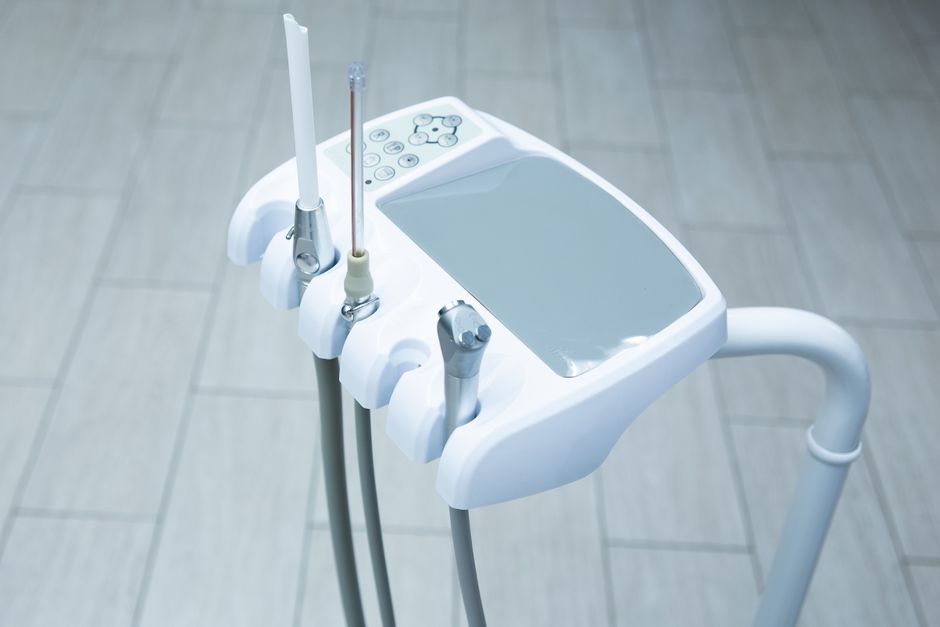
Office expansion and improvement loans cover renovations, adding operatories, or modernizing a dated facility. Business debt consolidation lets you refinance existing high-interest practice debt into a single loan with a potentially lower rate and simpler monthly payment. Owner-occupied commercial real estate financing, often abbreviated as OOCRE, allows you to purchase or refinance the building where your practice operates, which is a long-term wealth-building strategy many dentists overlook.
SBA loans are also available through Bank of America, including both 7(a) and 504 programs. These government-backed options typically require lower down payments and offer longer repayment terms than conventional loans, though the bank’s public materials do not detail specific SBA timelines, guarantee fees, or approval criteria. You will need to ask your practice specialist directly about those.
Unique Features You Won’t Find Elsewhere
One feature sets Bank of America apart from nearly every other dental lender: the dedicated project consultant assigned to construction and build-out loans. Instead of cutting checks and hoping your contractor manages the money well, the bank’s consultant pays suppliers and vendors directly on your behalf. For a dentist who is already juggling patient care, staff management, and the stress of a build-out, this removes a significant administrative burden.
The program also covers multiple specialties under one roof. Where some lenders focus exclusively on dental, Practice Solutions serves veterinarians, physicians, and optometrists with the same underwriting team. That breadth can be useful if you ever expand into a multi-specialty practice or partner with a physician. Bank of America also explicitly cross-sells its Doctor Home Loan program to the same audience, which means you could theoretically finance your practice and your home through one banking relationship.
Bank of America Dental Loan Rates, Terms, and Fees (2026 Update)
Here is the honest answer: Bank of America does not publish its current APR ranges. The bank’s official pages use phrases like “competitive rates” and “flexible terms” without attaching numbers to them. Third-party data from credit monitoring and lending research sites suggests that standard term loans through Practice Solutions carry APRs in the 5 to 12 percent range, while other financing options run between 7 and 14 percent. Those figures are estimates, not quotes, and your actual rate will depend on your credit profile, loan type, amount, and prevailing market conditions in 2026.
Term lengths are similarly opaque. The bank advertises “flexible terms” without specifying ranges. Based on industry norms, equipment loans typically span five to ten years, while commercial real estate loans can extend from ten to twenty-five years. SBA-backed loans often reach the longer end of that spectrum. Until Bank of America publishes a term sheet, you should ask your practice specialist to confirm the available term lengths for your specific loan type.
Fees are where association membership pays off directly. State dental association members receive a 50 percent reduction on loan administration fees. Non-members should budget for standard origination and processing fees, which vary by loan size and complexity. Preferred Rewards for Business members save an additional 0.25 to 0.35 percent on the interest rate itself, a discount that compounds meaningfully over a ten-year term.
How to Get the Best Rate on Your Dental Loan
Start by joining your state dental association. The fee reduction alone justifies the membership dues, and you gain access to networking and continuing education as a side benefit. If you already have a Bank of America business account, ask about qualifying for Preferred Rewards for Business, which requires maintaining certain balance thresholds. Keep your personal credit score above 700 and your debt-to-income ratio as low as possible before applying. Finally, explore SBA-backed options if you qualify. SBA loans often carry lower rates than conventional term loans, though the application process demands more documentation and patience.
How to Apply for a Bank of America Dental Loan: Step-by-Step Process
The application process begins with a phone call. Bank of America staffs a dedicated Practice Specialist line at 800-497-6076, open Monday through Thursday from 8 a.m. to 8 p.m. Eastern and Friday from 8 a.m. to 7 p.m. Eastern. You can also submit a request form online through the Practice Solutions page. Either way, a specialist will contact you within two business days to discuss your needs and walk you through pre-qualification.
Once you connect with your specialist, the conversation shifts to documentation. You will need to assemble your business plan if you are starting from scratch, along with personal and business tax returns from the last two to three years, profit and loss statements, balance sheets, and a credit report authorization. If you are acquiring an existing practice, the purchase agreement becomes the centerpiece of the file. For construction or expansion loans, expect to provide contractor estimates, timelines, and lease or property details.
Formal underwriting begins after you submit the full application package. Bank of America does not publish a standard timeline from application to funding, and the total wait depends heavily on loan complexity. Plan for roughly 30 to 60 days for a conventional term loan or equipment financing. SBA loans and construction projects can stretch to 90 days or longer. Once approved, closing and disbursement follow. For construction loans, the project consultant steps in at this stage to manage vendor payments directly.
What Documents Do You Need to Apply?
Prepare personal and business tax returns covering the last two to three years. Have your profit and loss statements and balance sheets ready, even if your practice is young. Startups need a detailed business plan with financial projections. Acquisitions require a signed purchase agreement. Every applicant must authorize a credit report pull. Having these documents organized before your first call will shorten the pre-qualification process considerably.
Bank of America vs. Competitors: How Does It Stack Up?
When measured against other major dental lenders, Bank of America occupies a specific niche. Compared to U.S. Bank and Huntington, BoA offers a higher maximum loan amount at $5 million and provides the dedicated project consultant that neither competitor advertises. However, U.S. Bank and Huntington sometimes publish more transparent rate information and may move faster on smaller loans, particularly for equipment financing.
Provide, formerly known as LendingClub Bank, has built a reputation on fast online applications and a lower credit score threshold, reportedly accepting borrowers with scores around 600. Bank of America cannot match that speed or accessibility, but it counters with association endorsements, relationship banking perks, and the ability to handle complex multi-million-dollar transactions that online lenders typically avoid.
Compared to SBA-focused lenders like Live Oak Bank, Bank of America offers a single point of contact for both conventional and SBA loans, which simplifies the shopping process. Live Oak and similar SBA specialists may offer deeper expertise in government-backed lending and potentially faster SBA approval times, but they lack the full-service banking ecosystem that BoA brings.
The takeaway is straightforward. Bank of America works best for established dentists with good credit who need larger loans, belong to a state dental association, or want to consolidate their practice and personal banking under one roof. It is less ideal for someone who needs funding in two weeks, has a credit score below 640, or wants to see a published rate sheet before starting the conversation.
Frequently Asked Questions About Bank of America Dental Loans
Does Bank of America offer loans for dental work like crowns or implants? No. Practice Solutions finances the business side of dentistry. Patient financing for procedures is a separate product category that Bank of America does not currently offer through this division.
What credit score do I need? Bank of America does not publish a minimum, but the industry standard for healthcare practice loans sits at 640. A score of 700 or higher will give you access to the most competitive rates.
How long does funding take? You will hear back from a specialist within two business days of your initial inquiry. Total time from application to funding typically ranges from 30 to 90 days, with SBA and construction loans taking the longest.
Can I use a BoA dental loan to refinance dental school debt? The official program focuses on practice-related expenses. Ask your specialist directly about debt consolidation options that might include educational debt, but do not assume it is covered.
Where can I meet a Bank of America Practice Specialist in person? The team attends major dental conventions throughout the year, including the Rocky Mountain Dental Convention, Yankee Dental Congress, Chicago Midwinter Meeting, and Hinman Dental Meeting. Attending one of these events gives you a chance to ask questions face-to-face before submitting an application.
Is a Bank of America Dental Loan Right for Your Practice in 2026?
This lender fits a specific profile best. If you have a credit score above 640, belong to a state dental association, need a loan north of $500,000, or are planning a ground-up construction project where a dedicated consultant would save you time and stress, Bank of America deserves a spot on your shortlist. The association fee reduction and Preferred Rewards rate discount can add up to real savings over the life of the loan.
Consider alternatives if you need funding within weeks, your credit score falls below that 640 benchmark, or you simply want to see published rates before you invest time in an application. Online lenders, credit unions, and SBA specialists may serve you better in those scenarios.
The smartest move is to call the Practice Specialist line at 800-497-6076 and request a personalized quote. Take that quote and compare it against two or three other lenders before you sign anything. The dental lending market in 2026 remains competitive, and the best rate is the one you negotiate with multiple offers in hand.
Best Dental Loans for Bad Credit in 2026: 7 Financing Options That Actually Work
If you have bad credit and need dental work, you are not out of options. This guide breaks down the 7 best lenders, credit cards, and in-house plans that approve borrowers with scores as low as 300, plus the hidden costs you must watch for. If you are searching for the best dental loans for bad credit, you have likely faced the double stress of needing urgent care and worrying about approval. You are not alone. Roughly 29 percent of Americans lack dental coverage, and a single implant can run north of $12,000. When your credit score sits below 630, traditional banks often shut the door. This article compares personal loans, dental-specific credit cards, in-house practice financing, and buy-now-pay-later options so you can make a decision that protects both your health and your wallet.
Table of Contents
Why Dental Care Is So Expensive (And Why Your Credit Matters)
Option 1: Personal Loans for Bad Credit (Best for Large Procedures)
Option 4: “No Credit Check” Dental Financing (What You Need to Know)
Option 5: Government and Non-Profit Assistance (The Overlooked Path)
The Hidden Costs of Bad Credit Dental Loans (What Lenders Do Not Tell You)
Why Dental Care Is So Expensive (And Why Your Credit Matters)
Dental costs have outpaced general inflation for decades. Between 1996 and 2015, dental services rose 23 percent, and that trend has continued into 2026. Today, a root canal ranges from $984 to $1,337, while a single implant can cost anywhere from $642 to $12,474 depending on complexity and location. Even a basic filling can hit $976. These numbers make financing a necessity for most households.

The problem compounds when you lack insurance. Data from the CDC shows that 29 percent of Americans have no dental coverage at all. Without a plan to split the bill, patients must pay the full amount out of pocket, often at the worst possible moment, when pain demands immediate treatment.
Here is where credit scores become a gatekeeper. Dental loans are unsecured personal debt. Lenders see no collateral to repossess if you default, so they lean heavily on your credit history. A FICO score below 600 frequently triggers automatic denials or APRs that climb past 30 percent. This creates what you might call a desperation premium. Borrowers with bad credit, already stretched thin, get funneled toward high-fee, short-term products that make a bad situation worse. Understanding your options before you apply is the single best way to avoid that trap.
Option 1: Personal Loans for Bad Credit (Best for Large Procedures)
When your dental estimate crosses $2,000, implants, dentures, or full-mouth reconstruction, a personal loan often gives you the most flexibility. You receive a lump sum upfront, repay it in fixed monthly installments, and can use the funds at any provider. This structure works especially well for planned procedures where you have time to compare offers.
The standout lender for bad-credit borrowers in 2026 is Upstart. Upstart accepts credit scores as low as 300 and uses artificial intelligence to weigh factors beyond your FICO, such as education and employment history. Their prequalification process uses a soft credit pull, so you can check your rate without damaging your score. For borrowers with slightly better credit, LightStream offers lower APRs and same-day funding, though approval typically requires a score in the mid-600s. SoFi covers the high end of the spectrum with loans from $5,000 to $100,000, ideal if you need extensive work and can bring a co-signer.
The math matters. Borrowing $5,000 at a 36 percent APR over three years costs roughly $230 per month. That same loan at 15 percent drops to about $152 per month. Over the life of the loan, the high-rate option costs nearly $3,300 more in interest. Always run the numbers before signing.

A practical tip: prequalify with multiple lenders within a 14-day window. Credit scoring models treat rate shopping for installment loans as a single inquiry during that period, minimizing the hit to your score.
How to Apply for a Dental Personal Loan with Bad Credit
Start by gathering your documents. You will need a government-issued ID, recent pay stubs or bank statements showing consistent income, and your employer’s contact information. Lenders want to see stability, even if your credit history is rough.
Stick to lenders that offer soft-credit-check prequalification. Upstart and Prosper both let you view your rate before a hard inquiry appears on your report. This step costs nothing and gives you leverage when comparing offers.
Avoid any lender that demands an upfront application fee or promises guaranteed approval without a soft pull. Legitimate lenders deduct origination fees from the loan proceeds. They do not ask for payment before you see a dollar.
Option 2: Dental Credit Cards (CareCredit and Alternatives)
CareCredit, issued by Synchrony Bank, dominates the dental financing market. It functions as a dedicated healthcare credit card accepted at over 260,000 providers nationwide. The main draw is deferred-interest promotions: pay off your balance within 6, 12, 18, or 24 months and you owe zero interest. Approval generally requires a fair credit score, typically 640 or above.
The deferred-interest model carries a sharp edge. If you miss the promotional deadline by even one day, the lender charges interest on the original purchase amount, not the remaining balance. A $3,000 procedure at 26.99 percent APR, retroactively applied over 24 months, adds hundreds of dollars overnight. This product rewards discipline and punishes even small slip-ups.
For borrowers with lower scores, LendingUSA offers a no-interest promotion that extends to both good and bad credit applicants. Cherry, a newer entrant, operates on a buy-now-pay-later model with soft-pull approval and fixed installment schedules. Neither requires the 640-plus threshold that CareCredit typically demands.
Use a dental credit card for procedures under $1,500, fillings, cleanings, simple extractions, where you can realistically pay off the balance within the promotional window. For larger amounts, the risk of deferred interest outweighs the benefit.
Option 3: In-House Financing (Dentist Payment Plans)
Many dental practices, especially large chains like Aspen Dental, offer in-house financing or partner with third-party lenders such as Sunbit and iCare Financial. These arrangements keep everything under one roof. You agree to a payment plan directly with the practice or through their lending partner, often with same-day approval.
iCare Financial stands out for its claim to approve all patients with no credit check. This makes it a viable path for borrowers with scores below 500 who have been turned away elsewhere. Approval hinges on income and employment verification rather than credit history.
The trade-off is cost. In-house plans frequently carry interest rates between 20 and 30 percent or require a down payment of 10 to 50 percent of the total bill. A $4,000 procedure might demand $800 upfront before treatment begins. These terms are steeper than what you would find with a prime personal loan, but they beat walking away from necessary care.
Ask the office manager directly: “Do you offer in-house payment plans or work with lenders that accept bad credit?” Many practices do not advertise these options on their website but will discuss them in person. You lose nothing by asking.
Option 4: “No Credit Check” Dental Financing (What You Need to Know)
The phrase “no credit check” gets thrown around loosely in dental financing marketing. It is important to distinguish between two very different things. A true no-credit-check lender never pulls your credit report at all, not even a soft inquiry. A “no credit needed” lender still checks your credit but accepts very low scores. American First Finance uses the latter model, approving borrowers based on income and banking history rather than a FICO threshold.
Lenders like iCare Financial and select local dental chains offer genuine no-credit-check options. Approval rests on your job, your paycheck, and your ability to make payments, not on past mistakes. This opens the door for borrowers who have filed bankruptcy, faced collections, or simply have a thin credit file.
The cost of that convenience runs high. APRs on no-credit-check loans often land between 30 and 40 percent, with short repayment terms of 12 to 24 months. A $2,000 loan at 35 percent APR over 18 months runs about $140 per month. You pay roughly $520 in interest on a relatively small amount.
One warning bears repeating: avoid any lender that asks for an upfront processing fee or a guaranteed approval fee. Legitimate lenders deduct origination fees from the loan proceeds. A company asking for money before you receive funds is almost certainly a scam.
Option 5: Government and Non-Profit Assistance (The Overlooked Path)
Most commercial articles about dental financing ignore government and non-profit resources entirely. These programs are not loans, but they can dramatically reduce your out-of-pocket costs, sometimes to zero.
Medicaid dental coverage varies widely by state. California and New York offer comprehensive adult dental benefits, including crowns, root canals, and dentures. Other states limit coverage to extractions and emergency pain relief. Check your state’s Medicaid website or call the office directly to learn what your plan covers. If you qualify for Medicaid, you may not need a loan at all.
Federally Qualified Health Centers, or FQHCs, provide dental care on a sliding-scale basis tied to your income. These clinics exist in every state and treat patients regardless of insurance status or ability to pay. Use the HRSA database online to locate a center near you. Wait times can be longer than private practice, but the savings justify the patience.
Dental schools offer another cost-cutting avenue. Procedures performed by students under licensed dentist supervision cost 50 to 70 percent less than private practice rates. A crown that runs $1,200 at a private office might cost $400 at a dental school. Quality remains high because supervising dentists check every step.
The Hidden Costs of Bad Credit Dental Loans (What Lenders Do Not Tell You)
Origination fees eat into your loan before you see a cent. Many personal loans charge 1 to 8 percent of the loan amount upfront. On a $5,000 loan, that is $50 to $400 deducted from the proceeds. You still owe interest on the full amount, even though you received less.
Prepayment penalties lurk in the fine print of some loan agreements. If you pay off the loan early, perhaps with a tax refund or a bonus, the lender may charge a fee for the privilege. Read the terms before signing, especially if you expect your financial situation to improve.
Hard credit inquiries drop your score by 5 to 10 points each. Multiple applications spread across different weeks can compound the damage. Rate shopping within a 30-day window groups inquiries together for scoring purposes, so consolidate your applications into a short burst.
The deferred-interest trap, discussed earlier with CareCredit and LendingUSA, deserves a second mention. Retroactive interest on the original balance, not the remaining balance, can turn a manageable debt into a financial emergency. Set calendar reminders for promotional deadlines and pay off the balance at least a week early.
How to Choose the Right Dental Loan for Your Situation
Your timeline dictates your options. For urgent pain, an abscess, a broken tooth, or an extraction you cannot postpone, choose in-house financing or a no-credit-check lender. These offer the fastest approval, often same-day, so you can get treatment without delay. For planned work like implants or braces, you have time to compare personal loan offers and secure a lower rate.
Loan amount shapes the best product. Under $1,500, a dental credit card with a 0 percent promotional period makes sense if you can pay it off within the window. Between $1,500 and $5,000, compare personal loans against in-house plans and run the total cost numbers. Over $5,000, a personal loan or CareCredit, if you qualify, typically offers the most manageable terms.
Be honest about your credit score. Below 500, focus on in-house financing, iCare Financial, or sliding-scale clinics. Between 500 and 630, try Upstart or LendingUSA. Above 630, you have access to LightStream, SoFi, and CareCredit, and should prioritize the lowest APR.
Frequently Asked Questions
Can I get a dental loan with a 500 credit score? Yes. Upstart accepts scores as low as 300, and iCare Financial offers no-credit-check approval based on income and employment. A 500 score does not lock you out of care.
What is the difference between “no credit check” and “soft pull”? A soft pull reviews your credit report but does not affect your score. No credit check means the lender never accesses your credit report at all, a rarer arrangement typically reserved for in-house financing.
Are dental loans reported to credit bureaus? Yes. Most lenders report payment history to Experian, Equifax, and TransUnion. On-time payments can improve your credit score over time, turning the loan into a credit-building tool.
Can I use a personal loan for dental work if I have insurance? Absolutely. You can use the loan to cover your deductible, co-pay, or any procedure your plan excludes. Many patients combine insurance with a small loan to bridge the gap.
Final Verdict: The Best Dental Loan for Bad Credit in 2026
For most borrowers with bad credit, Upstart delivers the best overall package: a minimum score of 300, soft-pull prequalification, and fast funding. If you need guaranteed approval and cannot qualify elsewhere, iCare Financial opens the door with no credit check, though you will pay higher rates for that access. For large procedures above $5,000, SoFi or LightStream offer competitive terms if you can bring a co-signer or have fair credit. For small procedures under $1,500, CareCredit’s 0 percent promotion or Cherry’s buy-now-pay-later model keep costs low, provided you pay on time. Your teeth will not wait, and neither should you. Pick the option that fits your score, your timeline, and your budget, and take the first step toward treatment today.
Dental Loans No Credit Check UK: The Truth About Soft Searches and Bad Credit Options (2026 Guide)
If you are searching for dental loans no credit check UK options, you have likely hit a wall of confusing claims. One website promises instant approval with no checks at all. Another insists that every lender runs a full credit investigation. The reality sits somewhere in the middle, and understanding that middle ground is the difference between getting treated and staying stuck with dental pain you cannot afford to fix. This guide unpacks exactly how dental finance works in the UK right now, what lenders actually look at when you apply, which options exist for people with less-than-perfect credit histories, and what you will genuinely pay by the time the final direct debit clears.
Table of Contents
What Does “No Credit Check” Really Mean for UK Dental Loans?
How Dental Finance Works in the UK: The Step-by-Step Process
Total Cost of Ownership: What You Actually Pay Over the Full Term
Frequently Asked Questions About Dental Loans No Credit Check UK
What Does “No Credit Check” Really Mean for UK Dental Loans?
The phrase “no credit check” is one of the most misleading terms in dental finance marketing. The truth is that virtually every regulated dental finance provider in the UK performs some form of credit check. What they do not do, in most cases, is leave a visible footprint on your credit file that other lenders can see.
This type of check is called a soft search, sometimes referred to as a quotation search. It allows the lender to assess your eligibility without the inquiry appearing on your credit report. A soft search is invisible to anyone except you. When you check your own credit file, you will see it listed, but a mortgage lender or credit card company running a standard check will not. That is the critical distinction.
A hard search is different. It happens when you formally apply for credit and it leaves a mark that stays on your file for up to 12 months. Too many hard searches in a short period can lower your credit score and signal financial distress to future lenders. In the dental finance world, the hard search typically only triggers when you sign the final credit agreement, not during the initial eligibility check.
Providers like Bupa, Ashbury Dental Care, and Medicred all use soft searches for the initial approval stage. Ashbury Dental Care reports that nine out of ten applications receive an instant decision, often in under three seconds. That speed is only possible because the soft search pulls enough data to assess risk without requiring a full deep dive into your credit history.
A genuine warning is worth stating here. Any provider claiming to offer absolutely no credit check whatsoever should raise a red flag. Regulated lenders in the UK are required by the Financial Conduct Authority to perform affordability assessments. A lender that skips this entirely may be unregulated, operating outside FCA rules, or offering a high-cost loan product with punitive interest rates and hidden fees. The minimum requirements across all legitimate providers are straightforward: you must be at least 18 years old, hold a UK bank account, and have a regular source of income.
How Dental Finance Works in the UK: The Step-by-Step Process
Understanding the mechanics behind dental finance removes much of the anxiety around applying. The process is more straightforward than most people assume, and knowing what happens at each stage helps you spot good deals and avoid bad ones.
Step 1: Consultation and Treatment Plan
Everything starts in the dentist’s chair. You attend a consultation where the dentist assesses your needs and produces a written treatment plan with a full cost breakdown. Most practices set a minimum treatment value to qualify for finance. Bupa requires a minimum spend of £250, Ashbury Dental Care sets the bar at £300, and UrgentCare Dental requires treatments over £500 to access their 0% finance deals. If your treatment falls below these thresholds, you will need to pay upfront or explore other options.
Step 2: The Soft Search Application

Once you have your treatment plan and cost, the practice submits your details to their finance partner. The major players in UK dental finance include Tabeo, Novuna, V12 Retail Finance, and Chrysalis. These are regulated credit providers that specialize in healthcare lending. They run a soft credit check, assess your affordability based on income and existing commitments, and return a decision. As noted, this is often instant. You are not committing to anything at this stage; you are simply finding out whether you qualify and on what terms.
Step 3: Treatment and Repayment
Here is a detail that many patients find reassuring. If you are approved and sign the agreement, the finance provider pays the dental practice in full, upfront. You then repay the finance provider via monthly direct debit over the agreed term. The practice has no financial stake in how long your repayment plan runs. They receive the same amount whether you choose a 12-month term or a 60-month term. This removes any incentive for the practice to push you toward longer, interest-heavy plans. The relationship is between you and the lender once treatment begins.
Step 4: The 14-Day Cooling-Off Period
Under FCA regulations, you have a statutory 14-day cooling-off period after signing a credit agreement. You can cancel within this window without penalty. This is an important consumer protection that not every practice advertises prominently. If you change your mind about the treatment or the finance terms, you have two weeks to withdraw. The right to cancel applies to the credit agreement specifically; whether you can also cancel the dental treatment depends on the practice’s own terms and how far treatment has progressed.
0% APR vs. Interest-Bearing Plans: Which Is Right for You?
Dental finance in the UK splits into two broad categories, and the choice between them comes down to a simple trade-off: higher monthly payments with zero extra cost, or lower monthly payments with interest added.
0% Interest Finance (The Ideal Option)
If you can manage the monthly payments, 0% APR finance is the clear winner. You spread the cost of treatment without paying a penny more than the quoted price. Terms vary by provider. UrgentCare Dental offers 0% over 12 to 24 months. Bupa extends 0% terms up to 36 months. Tooth Club provides 0% options ranging from 6 to 24 months. Ashbury Dental Care offers 0% for 12 months, after which a 9.9% APR representative rate applies on any remaining balance.
A practical example makes the value clear. Composite bonding at £199 per tooth on a 12-month 0% plan costs roughly £17 per month. You pay £199 total. That is the same £199 you would have paid upfront, just spread across a year. For treatments like veneers, crowns, or clear aligners that run into the thousands, 0% finance transforms an intimidating lump sum into a manageable monthly line item.
Interest-Bearing Longer-Term Plans
Not everyone can afford the monthly payments on a 12-month or even 24-month term, especially for major work like full-arch implants. This is where interest-bearing plans enter the picture. Bupa charges a representative 7.9% APR on plans stretching 48 to 60 months. Other providers in the market range from 12.9% to 14.9% APR for extended terms.
The monthly payment drops significantly, but the total cost rises. A dental implant priced at £1,999 costs roughly £167 per month on a 12-month 0% plan. Stretch that to 24 months and the payment halves to around £83 per month. Push it out to 48 months at 7.9% APR and the monthly payment falls to approximately £49, but the total repaid climbs to around £2,352. That is an extra £353 for the convenience of smaller payments. Tooth Club offers implants from £1,795 at £29.92 per month over five years, which sounds appealing until you calculate the total interest paid over 60 months.
Pay-As-You-Go Plans (Tooth Club Model)
A third model worth knowing about is the staged payment approach. Tooth Club breaks treatment into phases: consultation fee, implant placement, and final restoration. You pay for each stage as it happens rather than financing the entire amount upfront. This works well for treatments that naturally unfold over several months. You avoid interest entirely and only pay for work as it is completed. The trade-off is that you need to budget for lump sums at each stage rather than a single predictable monthly payment.
Can You Get Dental Loans with Bad Credit in the UK?
The short answer is yes, many providers approve applicants with poor credit histories, but approval is never guaranteed and the terms will likely differ from those offered to someone with a clean file.
Soft search approvals rely on a broader affordability assessment rather than a simple credit score cut-off. Lenders look at your income, your employment stability, your residential history, and whether you have recent defaults on similar credit products. Someone with a steady job and a stable address but a bruised credit score from past mistakes may still qualify, particularly for smaller treatment amounts.
What changes with bad credit is the range of options available. You may not qualify for the longest 0% terms. You might be offered a shorter interest-free period or directed toward an interest-bearing plan at the higher end of the range, around 12.9% to 14.9% APR. The monthly payment will be higher or the total cost greater, but the door is not closed entirely.
It is also worth addressing the NHS question, because many people with bad credit hope the public system will cover them. The reality is stark. NHS dental funding for implants is almost non-existent. The standard NHS solution for a problematic tooth is extraction. Implants are only funded in cases of medical necessity: oral cancer reconstruction, severe trauma, or congenital conditions. If you want an implant rather than a gap, private treatment with finance is the realistic path.
Total Cost of Ownership: What You Actually Pay Over the Full Term
Monthly payment figures are seductive because they make expensive treatments feel affordable. The marketing phrase “flattening the headline differences” captures this perfectly. A £199 composite bonding treatment versus a £999 veneer feels like a huge gap. Reframe it as £17 per month versus £42 per month and the veneer suddenly seems within reach. But the monthly payment is only part of the story. The total cost of ownership tells the full truth.
Example 1: Composite Bonding (£199 per tooth)
On a 12-month 0% plan, you pay £17 per month and £199 total. Simple. If you opt for a 24-month plan at 14.9% APR to get an even lower payment, the monthly cost drops to roughly £10, but the total repaid climbs to approximately £240. That is £41 in interest on a relatively small treatment. The interest is not ruinous, but it is real money that could have stayed in your pocket.
Example 2: Dental Implants (£1,999)
The numbers become more consequential with larger treatments. A single implant at £1,999 on a 12-month 0% plan costs £167 per month with zero interest. Stretch to 48 months at 7.9% APR and the monthly payment falls to roughly £49, but total repayment reaches around £2,352. That is an extra £353. Push to 60 months at 14.9% APR and the monthly cost drops further to approximately £47, but the total repaid balloons to roughly £2,820. The interest alone is around £821, more than 40% of the original treatment cost.
Hidden Fees to Watch For
Beyond the headline interest rate, several charges can inflate the total cost. Early repayment penalties are a gray area. Ashbury Dental Care asks in their FAQ whether customers can repay early but does not publish the answer in their public-facing content. Some lenders charge a fee equivalent to one or two months’ interest for early settlement. Always ask before signing. Late payment fees apply across the board. A missed direct debit typically incurs a charge of £12 to £25, and repeated missed payments can trigger default, a negative entry on your credit report, and referral to a debt collection agency. Arrangement fees are rare with mainstream dental finance providers but can appear with third-party lenders targeting bad-credit applicants.
Dental Membership Plans vs. Treatment-Specific Financing
An alternative worth considering, particularly if you need ongoing care rather than a single major procedure, is the dental membership plan.
What Are Dental Membership Plans?
These are monthly subscription arrangements, typically costing between £15 and £30 per month, that cover routine check-ups, hygiene appointments, and offer a discount on major treatments. Ashbury Dental Care promotes membership plans alongside their finance options. The model spreads the cost of preventive care and provides a financial cushion when something unexpected arises.
Which Is Cheaper for Major Work?
For one-off major procedures like implants, orthodontics, or full-mouth restorations, treatment-specific financing is almost always the better route. Membership plans are not designed to cover four-figure treatment costs. They excel at making routine care predictable and affordable. A hybrid approach often makes the most financial sense. Use a membership plan to cover your twice-yearly check-ups and hygiene visits, and take out a separate 0% finance plan for the big-ticket items. This keeps your routine dental health on a stable budget while avoiding interest on major work.
Frequently Asked Questions About Dental Loans No Credit Check UK
Will applying for dental finance affect my credit score?
No, provided the provider uses a soft search for the initial application. The soft search is invisible to other lenders and does not impact your score. A hard search only occurs when you sign the final credit agreement, and that single hard search has a minimal effect on your credit rating.
What is the minimum treatment cost to qualify for finance?
Most providers set the floor between £250 and £300. Bupa requires £250, Ashbury Dental Care requires £300, and UrgentCare Dental requires treatments over £500 to access 0% finance. Treatments below these thresholds must be paid upfront.
Can I get dental implants on the NHS?
Almost never. NHS funding for implants is reserved for medical necessity cases: oral cancer reconstruction, severe facial trauma, or significant congenital conditions. For the vast majority of patients, the NHS offers extraction as the standard solution for a problematic tooth. Private treatment with finance is the realistic route to implants.
What happens if I miss a payment?
Late fees apply, typically in the £12 to £25 range. A single missed payment is manageable if you contact the lender promptly. Repeated missed payments escalate to a default notice, a negative entry on your credit report that stays for six years, and potential referral to a debt collection agency.
Is there a deposit required?
No, deposits are optional across most providers. Bupa explicitly states that deposits are not required but can reduce your monthly payments if you choose to pay one. You can finance the entire treatment cost, including any consultation fees already incurred.
Final Checklist Before Applying for a Dental Loan
Confirm the provider uses a soft search only for initial approval. Ask this directly if the website is unclear. Read the terms and conditions for early repayment penalties and late fees. These details are often buried but have real financial consequences. Compare the total cost, not just the monthly payment, across 0% and interest-bearing plans. A £47 monthly payment sounds better than £167 until you realize it costs you an extra £821 over the full term. Verify the practice is FCA-regulated and partnered with a reputable finance provider such as Tabeo, Novuna, V12 Retail Finance, or Chrysalis. Ask about the 14-day cooling-off period and your cancellation rights before you sign anything. A legitimate provider will have clear answers to all of these questions.
Dental Loans UK: The Complete 2026 Guide to Financing Your Treatment
If you are searching for dental loans UK options to cover the cost of implants, braces, or cosmetic work, you are not alone. Private dental treatment in the UK is expensive, and most people cannot pay thousands of pounds upfront. The good news is that patient finance has become widely available, allowing you to spread the cost over manageable monthly payments. Depending on the provider and your circumstances, you can borrow anywhere from £350 to £50,000, with terms ranging from six months to five years. This guide walks you through exactly how dental loans work in 2026, what you can borrow, how to qualify, and what to watch for before you sign.
Table of Contents
What Are Dental Loans and How Do They Work in the UK?
A dental loan is a form of patient finance designed specifically for private dental treatment. It is not the same as a generic personal loan from your bank. When you use dental finance, the lender pays your dentist the full treatment cost upfront. You then repay the lender in fixed monthly installments over an agreed term.

There are two main types of dental finance in the UK. The first is 0% interest credit, which is available for shorter repayment terms, typically between six and 36 months. With this option, you pay no interest at all. The total amount you repay equals exactly the cost of your treatment. The second type is an interest-bearing loan, usually offered over longer terms of 48 to 60 months. These plans carry a representative APR, commonly 7.9% or 9.9%, meaning you will pay more in total than the original treatment cost.
Most dental finance plans require no upfront deposit, although you can choose to pay one voluntarily to reduce your monthly payments. When you apply, the lender performs a soft credit check first. This initial search does not affect your credit score. If you proceed with a full application, a hard credit check follows, which will appear on your credit file.
How Much Can You Borrow? Typical Loan Ranges in 2026
The standard borrowing range across most UK dental finance providers sits between £350 and £25,000. Some larger practices and lenders go higher. Bupa Dental Care, for example, offers finance up to £50,000 for extensive treatment plans. Most providers also set a minimum treatment cost threshold. Bupa requires a minimum spend of £250 to qualify for finance, while others set the floor at £350.
To give you a sense of how these loan ranges apply in practice, here is what common treatments cost in 2026.
A single dental implant typically costs between £1,795 and £2,500 per tooth. Full-arch solutions like All-on-4 implants can run from £10,000 to £20,000 per jaw. Teeth straightening with clear aligners such as Invisalign usually falls between £2,000 and £5,000. Crowns and bridges range from £600 to £1,200 per tooth, while porcelain veneers cost £500 to £1,000 per tooth.

Real-World Monthly Payment Examples
Understanding the monthly cost makes the numbers feel more concrete. Tooth Club offers dental implants from £1,795 per tooth with 0% finance over five years, which works out to £29.92 per month. That is less than a daily coffee.
For a different scenario, consider a £5,000 treatment financed on a 12-month 0% plan. Your monthly payment would be £416.67. The total you repay is exactly £5,000, with no interest added.
Your monthly payment depends on three variables: the total treatment cost, the length of the repayment term, and the interest rate. A longer term lowers your monthly payment but increases the total amount you repay if interest applies. A shorter term keeps the total cost down but demands a higher monthly commitment.
0% APR vs. Interest-Bearing Dental Loans: Which Is Right for You?
Choosing between 0% APR and interest-bearing finance comes down to your budget and the size of your treatment cost.
0% APR plans work best for smaller to mid-range costs, typically between £350 and £5,000. The repayment term is usually capped at 36 months, though some providers offer 0% over 48 or even 60 months for specific treatments like implants. You pay no interest, which makes this the cheapest option overall. The trade-off is that your monthly payments will be higher because you are repaying the full amount over a shorter period.
Interest-bearing plans, with representative APRs between 7.9% and 9.9%, suit higher-cost treatments of £10,000 or more. They also appeal if you need the lowest possible monthly payment and are willing to stretch the term to 48 or 60 months. Your monthly outlay drops significantly, but the total amount you repay increases.
Here is a simple decision framework. If you can comfortably afford to clear the debt within 36 months, choose the 0% option. You will save money and own your treatment outright sooner. If you need the lowest possible monthly payment to make treatment affordable at all, the longer APR plan is your route. Just be aware of the total repayable figure. A £10,000 loan at 9.9% APR over five years costs significantly more than £10,000 by the final payment. Always check the total cost, not just the monthly number.
Am I Eligible? Key Requirements for Dental Loans in the UK
Eligibility criteria are fairly consistent across UK dental finance providers, though some lenders add extra conditions.
You must be at least 18 years old. You need to have been a UK resident for a minimum of three years, and you must hold a valid UK bank account in your name. These three requirements appear with almost every lender.
Employment status matters, but the bar varies. Some lenders, including Bupa’s finance partner, require permanent employment. Others accept self-employed applicants, pension income, or other regular earnings, provided you can demonstrate affordability.
The credit check process begins with a soft search that does not leave a footprint on your credit file. If you pass the initial screening, the lender invites you to complete a full application, which triggers a hard credit check. Bad credit is not an automatic disqualification, but it may limit the terms available to you.
You also have a statutory 14-day cooling-off period after signing your finance agreement. If you cancel within this window and treatment has not yet started, you owe nothing and pay no fees.
Can You Get Dental Loans in the UK with Bad Credit?
This is one of the most searched questions about dental finance, yet most provider websites avoid the topic entirely. The demand is real. People want to know if they can access treatment when their credit history is less than perfect.
The honest answer is that almost all dental finance providers perform a credit check. Plans advertised as “no credit check” are extremely rare in the regulated UK market. Where they do exist, they often come with much higher APRs, shorter terms, or less favorable conditions.
That said, having bad credit does not mean you have no options. Some lenders, including Novuna, assess applicants on a case-by-case basis rather than applying a rigid cutoff score. A larger upfront deposit can improve your chances of approval because it reduces the lender’s risk. In some cases, a guarantor loan might be possible, though this is uncommon in dental finance specifically.
Be cautious of any lender promising guaranteed approval without a credit check. These offers can mask hidden fees, penalty clauses, or interest rates far above the representative APRs quoted by reputable providers. Your safest move is to apply for a soft-check pre-approval first. This lets you see what terms you might qualify for without any impact on your credit score. If the result is unfavorable, you can explore alternatives like saving toward a deposit or asking your dentist about staged payment plans.
Step-by-Step: How to Apply for a Dental Loan
The application process is designed to be quick and straightforward. Most lenders offer same-day decisions.
Step one is your dental consultation. Your dentist examines you, discusses your goals, and produces a written treatment plan with a full cost breakdown. Without this, you cannot apply for finance.
Step two is choosing a finance provider. Your dental practice will likely work with one or more partners, such as Novuna, Medenta, or Chrysalis Finance. You can also research these lenders independently to compare terms.
Step three is the online application. You complete a short form with your personal details, including identification, proof of address, and bank account information. The process typically takes less than ten minutes.
Step four is the soft credit check. The lender runs an initial search and returns a decision, often within minutes. If you are eligible, you will see the terms offered, including the APR, monthly payment, and total repayable.
Step five is signing the agreement. Review the terms carefully, confirm you are happy, and sign digitally. At this point, the hard credit check is performed and the agreement becomes binding, subject to the 14-day cooling-off period.
Step six is the start of treatment. The lender pays your dentist directly. You begin your monthly payments according to the schedule set out in your agreement.
Common Treatments You Can Finance and What to Watch For
Dental finance covers most private treatments that carry a significant cost. Dental implants are the most frequently financed procedure, and finance can cover the full treatment including the implant fixture, abutment, and crown. Teeth straightening treatments, including Invisalign and fixed braces, are also widely eligible. Crowns, bridges, and veneers fall under the same umbrella.
What is not typically covered includes routine check-ups, hygiene appointments, and any treatment available on the NHS. NHS funding for cosmetic or elective dental work is rarely available, and finance is designed for private care.
Before you commit, check two things. First, confirm that your treatment cost meets the lender’s minimum threshold, usually £250 or £350. Second, ask whether the finance covers the entire treatment timeline. Some implant cases span six months or longer, and you need to be sure the agreement aligns with the treatment schedule so you are not paying for work that has not yet been completed.
Dental Loans UK vs. Other Payment Options
Dental patient finance is not your only route, and it helps to understand how it compares to alternatives.
Dental loans, as described throughout this guide, are fixed-term, fixed-payment agreements arranged through your dentist. They work well for large, one-off treatment costs and require a credit check.
A personal loan from a bank or credit union gives you cash in hand to use at any dentist. If you have excellent credit, you might secure a lower APR than dental finance offers. However, approval can be harder to obtain, and the application process is separate from your dental practice.
A 0% purchase credit card can be a smart choice for smaller treatment costs. You benefit from an interest-free period, typically 12 to 24 months, provided you clear the balance before the promotional rate expires. The catch is that you need a high enough credit limit to cover the full treatment cost.
Pay-as-you-go stage payments are offered by some dentists, including Tooth Club. You pay in installments as your treatment progresses: one payment at the consultation, another at implant placement, and a final payment at restoration. No credit check is required, but you also lack the consumer credit protections that come with a regulated finance agreement.
NHS funding is the final option, but it is strictly limited to medically necessary treatment. Cosmetic procedures, adult orthodontics, and implants are almost never covered. If you qualify for NHS care, you pay the standard NHS banded charges, which are significantly lower than private fees.
Frequently Asked Questions About Dental Loans in the UK
Can I get a dental loan with no credit check?
Truly no-check plans are rare in the UK. Most reputable providers use a soft credit check initially, followed by a hard check for final approval. Be wary of any lender claiming otherwise.
What happens if I miss a payment?
Late fees may apply, and the missed payment will be reported to credit reference agencies. Persistent missed payments can lead to default, which damages your credit score and may result in debt collection action.
Can I pay off my dental loan early?
Yes, in most cases. 0% finance plans typically allow early settlement without penalty. For interest-bearing loans, check your agreement. You may be entitled to a rebate on future interest, though an early settlement fee sometimes applies.
Is dental finance the same as dental insurance?
No. Finance pays for treatment you choose to have. Insurance covers unexpected emergencies, accidents, or routine check-ups, depending on your policy. They serve completely different purposes.
What if my treatment fails or I am unhappy with the result?
You remain liable for the loan repayments. The finance agreement is separate from the treatment itself. Complaints about clinical care should be directed to your dentist and, if unresolved, to the Dental Complaints Service or the General Dental Council. Complaints about the finance agreement go to the lender and, if necessary, the Financial Ombudsman Service.
How Do Dental Loans Work? A Complete Guide to Financing Your Dental Care in 2026
If you are asking “how do dental loans work,” you are likely facing a bill for a root canal, implant, or braces that your insurance will not fully cover, or you may have no dental coverage at all. A dental loan is simply a personal loan or healthcare credit line used specifically to pay for dental procedures. It bridges the gap between what you can pay out of pocket today and what your mouth actually needs. By the end of this guide, you will understand exactly what a dental loan is, how the application and approval process works, and how to compare the best financing options for your specific situation, including options for bad credit.
Table of Contents
Do You Qualify? Credit Scores, Approval Rates, and Bad Credit Options
Alternatives to Dental Loans (When a Loan Isn’t the Best Fit)
Final Checklist – How to Choose the Right Dental Loan for You
What Is a Dental Loan? (The Simple Definition)
A dental loan is a type of unsecured personal loan or a healthcare credit card used exclusively for dental expenses. Unlike a mortgage or auto loan, there is no collateral required. The lender approves you for a set amount of money based on your creditworthiness, and you use those funds to pay for procedures ranging from a simple filling to a full set of implants.
In most cases, the lender either pays the dentist directly or deposits the cash into your bank account, and you then settle the bill with the practice. You repay the lender in fixed monthly installments if it is a personal loan, or through revolving credit if it is a healthcare card like CareCredit. It is important to understand that these are not government loans in the traditional sense. Despite what you might see in related searches, most dental loans are private products from banks, fintech lenders, or specialized healthcare financiers. They cover 100 percent of the approved cost, which is a critical difference from dental insurance, where annual maximums often cap benefits between 1,500 and 2,000 dollars.
How the Dental Loan Process Works (Step-by-Step)
The journey from realizing you need work done to paying it off follows a clear path. Here is how the process breaks down.
Step 1 – Get a Treatment Plan and Cost Estimate
Before you approach any lender, your dentist needs to give you a written treatment plan. This document includes the procedure codes, a breakdown of each service, and the total out-of-pocket cost. Think of this as your shopping list. Without a specific dollar figure, you cannot apply for the correct loan amount. For example, a single crown might cost 1,200 dollars, while a full-mouth restoration could run upwards of 30,000 dollars. The estimate also helps you avoid borrowing more than you need.
Step 2 – Choose Your Lender and Pre-Qualify

Once you have the numbers, you start shopping for financing. Most online lenders and healthcare credit cards let you pre-qualify with a soft credit check. This step does not impact your credit score. You will enter basic information and see potential interest rates and terms within minutes. At this stage, you should compare offers from at least three sources: online personal loan providers like SoFi, LightStream, or OneMain Financial; healthcare credit cards like CareCredit; and any in-house payment plan your dental practice offers. Pay close attention to the annual percentage rate, the monthly payment, and the total cost over the life of the loan.
Step 3 – Apply, Get Funded, and Pay the Dentist
After you pick the best offer, you complete a full application. This triggers a hard credit inquiry, which can temporarily lower your score by five to ten points. You will need to provide proof of income, identification, and possibly the treatment plan itself. Funding speed varies by lender. OneMain Financial, which offers dental loans from 1,500 to 30,000 dollars, can fund as fast as one hour after loan closing. Most online lenders take one to three business days. The funds are either sent directly to the dental practice or deposited into your bank account so you can pay the provider.
Step 4 – Repay the Loan
Repayment terms typically range from 12 to 84 months. Interest rates in 2026 span a wide spectrum, from around 6 percent for borrowers with excellent credit to 36 percent for those with poor credit. Fixed monthly payments make budgeting predictable, but you need to check the fine print for origination fees, late payment penalties, and prepayment penalties. Some lenders charge a fee if you pay off the loan early, while others do not.
Dental Loan vs. CareCredit vs. In-House Payment Plans
Choosing between a personal dental loan, a CareCredit card, and a payment plan offered directly by your dentist is the most important financial decision in this process. Each option serves a different purpose.
A personal loan for dental work gives you a lump sum with a fixed APR and equal monthly payments. There are no deferred interest traps. This is usually the best choice for large procedures costing 5,000 dollars or more, such as multiple implants or full orthodontic treatment. You know exactly when the debt will be gone.
CareCredit is a healthcare credit card that works like a revolving line of credit. Its main selling point is promotional financing: 0 percent APR for periods of 6 to 24 months on purchases over a certain threshold. However, this is deferred interest. If you do not pay the entire balance within the promotional window, interest is charged retroactively from the original purchase date. This can be a nasty surprise. CareCredit works well for smaller, planned treatments where you are absolutely certain you can pay it off in time.
In-house payment plans turn the dentist into the lender. These often carry zero percent interest and may not require a credit check, but the repayment period is usually short, often three to six months. They work best if you have a long-standing relationship with the practice and just need a little breathing room. Not all dentists offer them, and those who do may limit them to existing patients.
Do You Qualify? Credit Scores, Approval Rates, and Bad Credit Options
A common statistic you will see is that 99 percent of patients qualify for at least one financing option. This is technically true, but it masks a wide range of outcomes. Qualifying for something does not mean qualifying for a good interest rate.
For a standard unsecured personal loan, most lenders look for a minimum credit score between 580 and 600. To access the best rates, you typically need a score of 640 or higher. CareCredit’s most attractive promotional offers also tend to go to applicants with scores above 640. If your credit is below that threshold, you will likely face higher APRs, potentially up to the 36 percent ceiling.
If you have bad credit, you still have paths forward. Secured dental loans, which require collateral like a vehicle or savings account, are one option. A co-signer with strong credit can also help you get approved at a better rate. Many dentist payment plans do not involve a credit check at all, making them a viable route for those with poor or no credit history. Nonprofit programs also exist. Organizations like the Dental Lifeline Network and local Mission of Mercy clinics provide reduced-cost or free care to eligible individuals, including seniors, people with disabilities, and low-income families.
Taking out a dental loan does affect your credit score. The hard inquiry from a full application will shave off a few points temporarily. After that, your payment history becomes the dominant factor. On-time payments build positive credit history. Missed payments, on the other hand, will damage your score and could lead to collections.
How Much Do Dental Procedures Cost? (2026 Average Prices)
Understanding what dental work actually costs puts the loan amount into perspective. Based on CareCredit’s published averages, updated for the current market, here is what you can expect to pay in 2026.
A routine exam with cleaning and x-rays averages around 200 dollars. Fillings range from 140 to 975 dollars depending on the material and cavity size. A crown will run between 700 and 1,400 dollars. Root canals cost between 985 and 1,340 dollars. Extractions vary wildly, from 180 dollars for a simple tooth pull to 2,685 dollars for a surgical extraction. Dental implants are the biggest expense, ranging from 650 dollars for a single component to 12,500 dollars for a full implant-supported restoration. Clear aligners average around 5,100 dollars, and traditional braces range from 6,300 to 9,200 dollars.
These numbers explain why loans are so necessary. Insurance annual maximums have stagnated at roughly 1,500 to 2,000 dollars for decades, while procedure costs have risen steadily. A single implant can exhaust an entire year’s insurance benefit, leaving the patient to cover the rest out of pocket. A 30,000-dollar loan from a lender like OneMain can cover a full-mouth reconstruction, while a 1,500-dollar loan handles a single crown. The loan amount you seek should map directly to the treatment plan in your hand.
Pros and Cons of Using a Dental Loan
Dental loans are a tool, and like any financial tool, they have sharp edges. Weighing the benefits against the drawbacks will help you decide if this path makes sense for you.
Pros
The most obvious advantage is speed. You can get treatment immediately instead of waiting months or years to save up. Fixed monthly payments make budgeting predictable. Dental loans also cover cosmetic procedures like veneers and professional whitening that insurance almost never touches. For borrowers with good credit, the APR on a personal loan can be significantly lower than the revolving interest rate on a standard credit card.
Cons
Interest adds real cost over time. A 10,000-dollar loan at 18 percent APR repaid over five years will cost roughly 15,600 dollars in total. The hard inquiry from applying causes a small, temporary dip in your credit score. Dental debt is still debt, and if you lose your income, you risk default, collections, and long-term credit damage. Finally, not every dental practice accepts every third-party lender. You must confirm that your dentist will work with the financing company you choose before you sign anything.
Common Questions About Dental Loans
Are dental loans a good idea? The answer depends on urgency and alternatives. If you are in pain or have an infection that will worsen without treatment, financing the care is a responsible move, provided you have a stable income and a repayment plan. If the procedure is cosmetic or can be delayed by three to six months, saving up or using a 0 percent promotional card is usually the smarter financial play.
Are dental loans hard to get approved for? For most people, no. The 99 percent approval statistic holds up because the market includes products for nearly every credit tier. The real question is not whether you can get approved, but at what rate. Borrowers with low credit scores should expect higher APRs and should compare offers carefully.
Can I use a dental loan for cosmetic procedures? Yes. Most personal loan lenders and healthcare credit cards do not restrict how you use the funds, as long as they go toward a legitimate dental provider. This is a major advantage over insurance, which typically excludes cosmetic work.
What is better: CareCredit or a personal loan? CareCredit tends to work better for smaller amounts, typically under 2,000 dollars, where you can take advantage of a 0 percent promotional period and pay it off before deferred interest triggers. A personal loan is safer for larger amounts because the fixed rate and term eliminate the risk of retroactive interest.
How long does funding take? It ranges from same-day funding with lenders like OneMain to three business days with most online personal loan companies. In-office payment plans are effectively instant once the dentist approves the arrangement.
Alternatives to Dental Loans (When a Loan Isn’t the Best Fit)
Borrowing money is not the only way to handle a large dental bill. Several alternatives can reduce or eliminate the need for a loan.
Health Savings Accounts and Flexible Spending Accounts let you pay with pre-tax dollars. In 2026, the HSA contribution limit is approximately 4,150 dollars for individuals. These accounts work well for planned procedures, but the annual cap limits their usefulness for major restorative work.
Dental tourism is a growing option. Traveling to Mexico, Costa Rica, or Thailand for implants and crowns can save 50 to 70 percent on the procedure cost. The trade-off is that you must factor in travel expenses, the logistics of follow-up care, and the difficulty of addressing complications once you are back home.
Nonprofit and charitable programs provide another safety net. The Dental Lifeline Network offers free comprehensive care to eligible patients. Dental school clinics, where supervised students perform procedures, often charge 50 percent less than private practices. Local health departments and Mission of Mercy pop-up clinics also provide free or sliding-scale care in many communities.
Finally, you can negotiate directly with your dentist. Asking for a cash discount or an extended payment plan costs nothing. Some practices will reduce the total bill by 5 to 10 percent if you pay in full upfront, which you might be able to do with a smaller loan or savings.
Final Checklist – How to Choose the Right Dental Loan for You
Get a written treatment plan with exact costs before you talk to any lender. Pre-qualify with two to three lenders using soft credit checks only. Compare the APR, origination fees, and total repayment term side by side. Confirm that your dentist accepts the lender you are leaning toward. Read the fine print on any deferred interest offer, especially with CareCredit. Have a backup plan, whether that is savings, family help, or a payment plan, in case your income changes before the loan is paid off.
Aetna Dental Insurance Reviews 2026: Plans, Pricing, and Real Customer Complaints
If you are searching for honest Aetna dental insurance reviews, you have probably noticed a glaring disconnect. On one side, you will find glowing endorsements highlighting a massive provider network and rock-bottom monthly premiums. On the other, you will encounter a flood of one-star ratings and frustrated customers detailing billing nightmares and denied claims. This review cuts through the marketing hype to give you the unvarnished truth. We analyze plan pricing, network size, and coverage limits alongside real customer complaints from ConsumerAffairs and Reddit so you can decide if Aetna is the right fit for your budget and dental needs in 2026.
Table of Contents
Aetna Dental Insurance at a Glance: The Good, the Bad, and the Ugly
Aetna Dental Insurance Plans: Pricing, Coverage, and Limits for 2026
Final Verdict: Should You Buy Aetna Dental Insurance in 2026?
Aetna Dental Insurance at a Glance: The Good, the Bad, and the Ugly
Before diving into the granular details of deductibles and copays, it helps to understand the broad strokes of what Aetna offers and where it stumbles. Aetna, now a part of CVS Health, markets itself as an affordable, accessible dental insurer. The reality, reflected in thousands of user reviews, is far more complicated.
The Good is immediately apparent on the pricing page. Aetna boasts the largest dental provider network in the United States, with over 445,000 dental locations nationwide. On every PPO plan, preventive care such as checkups, cleanings, and routine X-rays is covered at 100 percent with no deductible. A unique differentiator in 2026 is the integration of CVS Health perks. Members receive a free CVS ExtraCare Plus membership, which includes a $10 monthly reward and pharmacy discounts, a tangible benefit that effectively offsets a chunk of the premium for regular CVS shoppers.

The Bad surfaces quickly once you look beyond the marketing. Aetna holds extremely low consumer ratings across independent review platforms. On ConsumerAffairs, the dental plan holds a 1.4 out of 5-star rating, with 91 percent of reviewers giving the lowest possible score. On Trustpilot, the broader Aetna brand sits at a dismal 1.2 stars. The dominant complaints are not about the quality of dental care itself but about administrative chaos: claim denials, billing errors, and unresponsive customer service.
The Ugly reveals a potential systemic disregard for customer feedback. Aetna has not claimed its business profile on ConsumerAffairs, a major review platform. This is unusual for a large insurer and suggests a lack of engagement with customer grievances. More troubling is a recurring theme in user reports: individuals describe being charged monthly premiums for coverage that was never active, with Aetna refusing to issue refunds. Aetna is also the only major carrier offering a virtual dental care integration through a partnership with Dental.com and SmartScan technology for at-home oral health assessments, a modern perk that stands out against competitors but does little to solve the core administrative problems.
Aetna Dental Insurance Plans: Pricing, Coverage, and Limits for 2026
Aetna structures its individual and family dental plans into a few distinct tiers, along with a discount card alternative that is often confused with insurance. Understanding the mechanical limits of each plan is critical because the low monthly premiums often mask restrictive annual maximums.
Aetna Dental Direct Plans (Individual/Family)
The Core PPO is the entry-level insurance option, starting at $26 per month. It comes with a $1,000 annual benefit maximum, which is the total amount Aetna will pay toward your care in a year. The coverage breakdown follows the standard 100-80-50 model: 100 percent for preventive care, 80 percent for basic services like fillings, and 50 percent for major services like crowns. This plan is best suited for someone who only needs routine care and has no history of cavities or gum disease. A single unexpected crown, however, will likely exhaust the annual maximum and leave you paying out of pocket.
The Preferred PPO starts at $29 per month and raises the annual maximum slightly to $1,250. The coverage percentages remain identical to the Core PPO. The extra $3 per month buys you an additional $250 in potential benefits, which is a reasonable trade-off for someone with moderate dental needs.

The Preferred 2000 PPO is the top-tier PPO offering, also starting at $29 per month in many markets. The key difference is the $2,000 annual maximum, double that of the Core plan. This tier is designed for individuals who anticipate needing major restorative work. However, even $2,000 does not go far in 2026 if you require multiple crowns, a root canal, or an implant. Once the maximum is hit, you are responsible for 100 percent of additional costs for the rest of the year.
The DMO, or Dental Maintenance Organization, operates differently. Starting as low as $17 per month, it is a managed care plan with no annual maximum. This is the single most important feature for anyone facing extensive dental work. Instead of paying a percentage of the cost, you pay a fixed copay for each service. The trade-off is provider choice: you must select a primary care dentist from the DMO network and get referrals for specialists. Aetna does not publish a clear copay schedule online, stating only that the copay varies per service, which makes cost forecasting difficult without calling the company directly.
Aetna Vital Savings Discount Card (Not Insurance)
The Vital Savings discount card is frequently mentioned in Aetna dental insurance reviews, but it is not insurance. Starting at $11.07 per month, it provides access to a network of dentists who have agreed to offer discounted rates, typically 15 to 50 percent off most procedures. The key advantages are structural: there are no waiting periods, no annual limits, no deductibles, and no claim forms. You pay the discounted rate directly to the dentist at the time of service. This makes the discount card ideal for those with immediate needs or pre-existing conditions that would be excluded from a traditional insurance waiting period.
Waiting Periods and Deductibles
Aetna imposes standard waiting periods on its PPO plans. Basic services like fillings are subject to a 6-month waiting period, while major services such as crowns and root canals require a 12-month wait. These waiting periods are waived if you had prior credible dental coverage without a gap in coverage, a detail that is critical for anyone switching from another insurer. Deductibles range from $50 to $150 per person depending on the plan, with the DMO plan having no deductible at all. The deductible applies only to basic and major services, not to preventive care.
Real Customer Reviews: What Users Are Saying in 2026
The gap between Aetna’s marketing materials and the lived experience of policyholders is stark. While the company highlights its network size and CVS perks, customer reviews paint a picture of an insurer that is difficult to work with when you actually need to use your benefits.
ConsumerAffairs and Trustpilot Ratings (The Warning Signs)
The ConsumerAffairs profile for Aetna Dental is a repository of frustration. With a 1.4 out of 5-star rating based on 96 reviews, the overwhelming majority of users report negative experiences. The top complaints are not nuanced disagreements about coverage limits; they are fundamental operational failures. Customers describe submitting claims for procedures they verified were covered, only to receive denials months later. Others report spending hours on the phone trying to resolve billing errors, often without resolution.
On Trustpilot, Aetna’s overall rating sits at 1.2 stars. While this score is not specific to the dental division, it reflects a systemic issue across the company’s customer service infrastructure. On Reddit, the sentiment is equally negative. Users in personal finance and insurance subreddits frequently describe “forced payments” where Aetna continued to withdraw premiums after cancellation, and a recurring difficulty finding in-network providers who actually accept the plan’s reimbursement rates.
Common Complaint Themes
Claim denials are the most frequent and emotionally charged complaint. Users report that Aetna denies claims for basic and major services that they believed were covered based on their plan documents. The reasons given are often opaque, leaving policyholders with unexpected bills and a sense of betrayal.
Billing nightmares are a close second. Multiple reviews describe being charged for months of coverage that was never activated due to a system error on Aetna’s end. When the error was discovered, Aetna allegedly refused to refund the premiums, claiming the policy was active even though the customer could not use it. This pattern of charging for inactive coverage is a serious red flag.
Network confusion undermines the value of Aetna’s touted 445,000-provider network. Many users report that their local dentist appears as in-network on Aetna’s online directory, but the dental office refuses to accept Aetna’s reimbursement rates. This leaves the patient either paying out-of-network prices or scrambling to find a new dentist who genuinely accepts the plan.
The Positive Feedback (What Works)
Not every Aetna dental insurance review is negative. Users who only need preventive care, two cleanings and a set of X-rays per year, are generally satisfied. The 100 percent coverage with no deductible works as advertised for these services. The CVS ExtraCare Plus membership is a genuinely useful perk, and the $10 monthly reward is a tangible benefit that effectively reduces the net cost of the plan for pharmacy customers. Vital Savings discount card users also report positive experiences, noting significant savings on procedures without the administrative headache of insurance claims.
Aetna vs. Competitors: How Does It Stack Up?
Aetna operates in a competitive market, and understanding how it compares to Delta Dental, Cigna, and Humana is essential for making an informed decision.
Aetna vs. Delta Dental
Delta Dental is the most common point of comparison in Aetna dental insurance reviews. Delta Dental has a slightly smaller network, approximately 390,000 providers, but consistently earns higher satisfaction scores for provider accessibility. The dentists in Delta’s network are more likely to actually accept the plan’s rates. Delta Dental PPO plans are often $5 to $10 more per month than Aetna’s equivalent tiers, but they offer better annual maximums, typically $1,500 to $2,500. On customer service, Delta Dental consistently outperforms Aetna in J.D. Power surveys for claims processing and customer support. If you value reliability over a slightly lower premium, Delta Dental is the stronger choice.
Aetna vs. Cigna and Humana
Cigna offers similar pricing to Aetna but has a meaningful advantage in orthodontic coverage. Higher-tier Cigna plans are more likely to include benefits for braces or Invisalign, which Aetna’s individual direct plans generally exclude. Humana differentiates itself with lower deductibles and innovative preventive care incentives, such as rollover benefits for unused annual maximums. If you maintain good oral health, Humana effectively rewards you by increasing your available benefits in future years. The verdict across these comparisons is consistent: Aetna wins on raw network size and the low sticker price of its discount card, but competitors win on customer satisfaction, coverage flexibility, and the reliability of their claims processing.
Is Aetna Dental Insurance Good for Seniors?
Aetna has been listed as one of the best dental insurance options for seniors by review sites like SeniorLiving.org, which cite the large network and 100 percent preventive coverage as key advantages. For a senior who only needs routine cleanings and has no major dental issues, the Core PPO at $26 per month is a reasonable, budget-friendly choice.
The reality check comes when you consider the dental needs that typically accompany aging. Crowns, dentures, bridges, and implants are common expenses for seniors, and Aetna’s $1,000 to $2,000 annual maximums are quickly exhausted by a single major procedure. A senior on a fixed income could easily find themselves paying thousands out of pocket after hitting the annual cap. The Aetna DMO plan, with its lack of an annual maximum, is a more practical option for seniors needing extensive restorative work, provided they can find an in-network dentist they trust. The Vital Savings discount card is another strong alternative, offering immediate discounts with no waiting periods, which is critical for seniors who cannot wait 12 months for major care. It is also worth noting that Aetna offers Medicare Advantage plans with embedded dental benefits, but standalone dental plans do not coordinate with Original Medicare.
How to Choose the Right Aetna Plan for Your Needs
Selecting the right plan depends entirely on your anticipated dental needs and your tolerance for administrative friction.
For routine care only, choose the Core PPO at $26 per month. This covers two cleanings and X-rays per year with no out-of-pocket cost and is the simplest, cheapest way to maintain preventive care.
For extensive work such as crowns, bridges, or implants, choose the DMO plan at $17 per month to avoid the annual cap that plagues the PPO plans. Verify that your preferred dentist is in-network and ask for a copay schedule before enrolling.
For immediate needs with no waiting period, choose the Vital Savings discount card at $11.07 per month. This is not insurance, but it starts saving you money on day one.
For families, the Preferred 2000 PPO at $29 per month offers the highest annual maximum and the best balance of cost versus coverage, assuming you can manage the waiting periods and stay within the $2,000 cap.
Frequently Asked Questions (FAQ)
Is Aetna dental insurance accepted everywhere? No. While the network is large with over 445,000 providers, you must verify individual dentist participation. Many dentists are listed in the directory but refuse Aetna PPO rates, a common frustration cited in user reviews.
Does Aetna cover braces or Invisalign? Generally, no. Basic and mid-tier individual plans exclude orthodontics. Higher-tier employer-sponsored plans may offer orthodontic add-ons, but individual direct-purchase plans do not include coverage for braces or clear aligners.
Can I cancel Aetna dental insurance at any time? Yes, but refunds are prorated and often difficult to obtain. Multiple users report being charged for months after cancellation, so document all cancellation requests and monitor your bank statements closely.
Is Aetna better than Delta Dental? It depends on your priorities. Aetna is cheaper and has a larger network on paper. Delta Dental has better customer service, higher satisfaction ratings, and a network where dentists are more likely to accept the plan’s rates. For reliability, Delta Dental is the better choice.
Final Verdict: Should You Buy Aetna Dental Insurance in 2026?
Aetna dental insurance occupies a specific niche in the 2026 market. It is a budget-friendly option with the lowest starting price in the market at $16 per month, the largest provider network, and unique CVS Health perks that provide real value for pharmacy customers. The Vital Savings discount card is a genuinely useful product for those who need immediate discounts without the constraints of insurance.
The downsides are significant and well-documented. Customer service ratings are extremely poor across multiple platforms. Claim denials and billing errors are not isolated incidents but recurring themes in user reviews. The annual maximums of $1,000 to $2,000 are low and easily exhausted by major dental work. Orthodontic coverage is absent from individual plans.
Aetna is recommended as a budget-friendly option for healthy individuals who only need preventive care and are willing to navigate potential billing issues. It is not recommended for those needing major restorative work, orthodontics, or high-touch customer service. If you value reliability and higher annual limits, consider Delta Dental or Humana, even if you pay slightly more per month. The lowest price is only a good deal if the insurance works when you need it.
Does Delta Dental Cover Invisalign? (2026 Coverage Guide & Costs)
You are staring at a treatment plan for Invisalign, and the number at the bottom reads somewhere between three thousand and eight thousand dollars. That is a serious chunk of money, and your mind goes straight to the dental insurance card sitting in your wallet. Does Delta Dental cover Invisalign? The short answer is yes, but the long answer depends entirely on the fine print of your specific plan. If you have orthodontic coverage baked into your policy, Delta Dental treats Invisalign the same as traditional metal braces. If you do not have that rider, you are paying out of pocket. This guide breaks down exactly how the coinsurance works, what a lifetime maximum really means for your wallet, which plans include adult orthodontics, and how to get a pre-treatment estimate so you walk into the orthodontist’s office knowing your costs down to the dollar.
Table of Contents
Does Delta Dental Cover Invisalign for Adults? (The Short Answer)
How to Lower Your Out-of-Pocket Costs for Invisalign with Delta Dental
Delta Dental vs. Other Insurers for Invisalign (Cigna, Humana, MetLife)
Next Steps: How to Verify Your Delta Dental Invisalign Coverage Today
Does Delta Dental Cover Invisalign for Adults? (The Short Answer)
Delta Dental covers Invisalign for adults, but only when your plan includes an orthodontic benefit. This is the single most important detail to understand before you get your hopes up. A standard preventive plan that covers cleanings, fillings, and crowns will not pay a dime toward clear aligners. You need a plan with an adult orthodontic rider, which shows up on products like the Delta Dental PPO Premium, DeltaCare USA, or the Plus Ortho plan available in certain states.
When coverage exists, Delta Dental treats Invisalign identically to traditional braces. The insurer does not care whether brackets and wires or clear plastic trays move your teeth. What matters is the coinsurance structure. The typical benefit pays fifty percent of the negotiated in-network fee, capped by a lifetime maximum that usually sits at fifteen hundred dollars per person. Reddit threads and state-specific plan documents confirm this forty to fifty percent range consistently. The cap is not a deductible you hit and then get full coverage. It is the total amount Delta Dental will ever pay for your orthodontic treatment, period. Once that fifteen hundred dollars is exhausted, you cover every additional cent. If your plan’s summary of benefits does not list orthodontics under adult services, Invisalign will not be covered, and no amount of calling customer service will change that. You would need to switch plans during open enrollment or purchase a supplemental individual policy.
How Delta Dental Invisalign Coverage Works (Cost Breakdown)
The 50% Coinsurance and Lifetime Maximum Explained
The fifty percent coinsurance sounds generous until you understand it applies to the negotiated fee and is capped by a hard dollar limit. Delta Dental negotiates a contracted rate with in-network orthodontists, which is typically lower than the retail price a cash patient would pay. The insurer then pays half of that negotiated rate, and you pay the other half, but only until Delta Dental’s total payments reach your lifetime maximum.
Here is where the math gets real. The lifetime maximum is the total amount Delta Dental will pay, not a limit on your out-of-pocket spending. If your plan has a fifteen hundred dollar lifetime max and your treatment costs six thousand dollars, Delta Dental pays fifteen hundred dollars total, and you are responsible for the remaining forty-five hundred dollars. The insurer does not pay fifty percent of the full six thousand. It pays fifty percent of each monthly installment until it hits that fifteen hundred dollar ceiling.
Delta Dental of New Jersey provides a clear payment example that makes this concrete. For a six thousand dollar treatment plan with a fifteen hundred dollar lifetime maximum, Delta Dental pays sixty-two dollars and fifty cents per month over twenty-four months. That monthly payment structure spreads the benefit across the typical treatment timeline. Your orthodontist bills Delta Dental each month, Delta Dental sends its portion, and you cover the rest. Once the twenty-four months end or the fifteen hundred dollars is used up, the payments stop.

Real Cost Scenarios (New Patient vs. Work-in-Progress)
Understanding how the numbers play out in different situations helps you plan. Consider three common scenarios.
Scenario A involves a new patient starting treatment from scratch. Your orthodontist submits a six thousand dollar treatment plan. Delta Dental agrees to pay fifty percent of the negotiated monthly fee, up to the fifteen hundred dollar lifetime max. Over twenty-four months, Delta Dental sends sixty-two dollars and fifty cents each month. You pay the remaining balance, which totals forty-five hundred dollars out of pocket. Many orthodontists offer no-interest payment plans for the patient portion, so you might pay roughly one hundred eighty-seven dollars per month directly to the practice.
Scenario B covers work-in-progress treatment, which matters if you are switching insurance carriers mid-treatment. Delta Dental of New Jersey explains that if you completed fourteen months of a twenty-four month treatment plan under a prior carrier, Delta Dental prorates the remaining benefit. With ten months left, Delta Dental would pay a total of six hundred twenty-five dollars, spread across those remaining months. This proration protects the insurer from paying for treatment phases completed before you were their member, but it also means you do not lose coverage entirely just because you started elsewhere.
Scenario C involves the Shared Maximum Benefit, a feature found on some plans like Delta Dental of Washington’s Plus Ortho plan. Each covered family member gets a fifteen hundred dollar individual lifetime maximum. Any unused portion gets pooled into a shared bucket, adding two hundred fifty dollars per person. A family of five or more could access up to twelve hundred fifty dollars in shared funds. If one child exhausts their individual maximum, they can draw from the pool. This feature provides flexibility for families with multiple orthodontic patients.
Which Delta Dental Plans Cover Invisalign?
Individual and Family Plans
If you are buying coverage on your own rather than through an employer, you have options that include adult orthodontics. The Delta Dental PPO Premium plan is the flagship individual product with orthodontic benefits. It covers adult Invisalign at fifty percent coinsurance with the standard lifetime maximum. You can visit any licensed dentist, but staying in-network keeps your costs lower because of those negotiated fees.
DeltaCare USA operates differently as an HMO-style plan. It covers orthodontics but requires you to select a primary care dentist and get referrals for specialists. The out-of-pocket costs follow a fixed copayment schedule rather than percentage-based coinsurance. You must use in-network providers, and the plan works best if you live in an area with strong DeltaCare network density.
The Plus Ortho plan, available through Delta Dental of Washington, provides a concrete pricing example for 2026. Monthly premiums range from sixty-three dollars and forty-five cents in Eastern Washington to seventy-two dollars and ninety cents in Western Washington. The plan offers fifty percent orthodontic coverage with a fifteen hundred dollar lifetime maximum and includes a twelve-month waiting period before orthodontic benefits kick in. If you need Invisalign immediately, this waiting period is a dealbreaker. If you are planning ahead, the math can work in your favor.
Group Plans (Employer-Sponsored)
Most Americans get Delta Dental through their employer, and group plans vary widely. Many employer PPO plans include orthodontic coverage for adults, but not all do. Your HR department or benefits portal should provide a Summary of Benefits and Coverage document. Look for a section labeled “Orthodontic Services” or “Orthodontia.” If it lists a coinsurance percentage and a lifetime maximum for adults, you are covered. If the orthodontic section only mentions children or dependents, adult Invisalign is not included.
Employers choose whether to add the adult orthodontic rider. The top organic search result for this topic is actually written for insurance brokers, explaining why they should pitch adult orthodontic coverage to employer groups. This tells you something important: the rider is an optional add-on that your employer may not have selected. If your group plan lacks adult ortho, ask your benefits administrator whether it can be added during the next renewal cycle. If that is not possible, you may need to purchase a supplemental individual plan during open enrollment.
What Is NOT Covered?
Basic preventive and diagnostic plans do not cover orthodontics. If your plan only covers exams, cleanings, X-rays, and basic restorative work like fillings, Invisalign is entirely out of pocket. Discount plans are another source of confusion. Delta Dental offers discount programs that provide reduced fees at participating providers, but these are not insurance. You pay a membership fee and receive a percentage off the retail price, but no coinsurance payments come from Delta Dental. The distinction matters because discount plans advertise orthodontic savings, but the total out-of-pocket cost remains significantly higher than with true insurance coverage.
Two-phase orthodontic treatment presents another limitation. Some patients, particularly children, undergo an early interceptive phase followed by comprehensive treatment years later. Delta Dental covers both phases, but the combined payments cannot exceed the single lifetime maximum. If the first phase uses eight hundred dollars of the benefit, only seven hundred remains for the second phase.
How to Lower Your Out-of-Pocket Costs for Invisalign with Delta Dental
Using an in-network orthodontist is the single most effective way to reduce what you pay. Delta Dental’s negotiated rates are typically twenty to thirty percent below retail fees, and your fifty percent coinsurance applies to that lower amount. An out-of-network provider may charge higher rates, and Delta Dental’s reimbursement is based on a lower usual and customary fee schedule, leaving you with a larger gap to fill.
Getting a pre-treatment estimate before you commit is non-negotiable. Your orthodontist submits a proposed treatment plan to Delta Dental, and the insurer responds with a breakdown of exactly what it will pay, when payments start, and how much you owe each month. This document eliminates surprises and lets you budget accurately. Most in-network orthodontists handle this submission as a routine part of the consultation process.
Flexible Spending Accounts and Health Savings Accounts are powerful tools that many patients overlook. You can use pre-tax dollars from an FSA or HSA to pay your portion of the Invisalign cost. If you are in the twenty-two percent federal tax bracket and pay state income tax, using pre-tax dollars effectively gives you a twenty-five to thirty percent discount on your out-of-pocket spending. Plan your FSA contributions during open enrollment to align with your expected orthodontic payments for the year.
Orthodontist payment plans are standard practice. Most practices offer zero-interest financing for the patient portion, spreading your forty-five hundred dollar balance across the treatment timeline. Combined with Delta Dental’s monthly payments, this creates a manageable cash flow situation rather than a lump-sum burden. Ask about financing terms during your consultation and compare them to third-party options like CareCredit if the practice does not offer in-house plans.
If you have a family plan with the Shared Maximum Benefit, coordinate treatment timing across family members. Starting one child’s treatment after another finishes allows the second child to access any remaining individual maximum plus the pooled shared benefit. This sequencing maximizes the total insurance payout across your family.
Delta Dental vs. Other Insurers for Invisalign (Cigna, Humana, MetLife)
Delta Dental dominates the dental insurance market, but it is not the only carrier that covers Invisalign. Understanding how competitors compare helps you evaluate whether your employer’s Delta Dental plan is competitive or whether you should consider switching during open enrollment.
Cigna dental plans frequently offer orthodontic coverage with a lifetime maximum ranging from fifteen hundred to two thousand dollars and fifty percent coinsurance. The structure mirrors Delta Dental closely. Cigna’s network is smaller, which means finding an in-network orthodontist who offers Invisalign may require more searching depending on your location. If your employer offers both Cigna and Delta Dental, compare the lifetime maximums and confirm that your preferred orthodontist accepts each plan.
Humana offers orthodontic coverage on select plans, with lifetime maximums typically in the one thousand to fifteen hundred dollar range. Adult orthodontic riders are available but not standard on all plans. Humana’s network skews toward certain regions, so availability varies by state. Check whether Humana plans in your area include adult orthodontics before assuming coverage.
MetLife dental plans generally provide fifty percent coinsurance up to a fifteen hundred dollar lifetime maximum, matching the industry standard. Network size and orthodontist participation vary. MetLife tends to have strong employer group penetration, so you may encounter it as an option during benefits enrollment.
The key differentiator for Delta Dental is network breadth. Delta Dental maintains the largest network of dentists and orthodontists in the United States, with participation rates exceeding eighty percent in most markets. This makes finding an in-network Invisalign provider significantly easier with Delta Dental than with competitors. Network access translates directly to lower costs because in-network negotiated rates apply. If you live in a rural area or a smaller city, Delta Dental’s network advantage may be the deciding factor.
The verdict is straightforward: Delta Dental’s Invisalign coverage is competitive with other major carriers but not uniquely generous. The lifetime maximums and coinsurance percentages are industry standard. Your specific employer plan’s details matter more than the carrier’s brand name. Always compare the Summary of Benefits documents side by side during open enrollment rather than assuming one carrier is better.
Common Questions About Delta Dental and Invisalign
Is $5,000 a Lot for Invisalign?
Five thousand dollars is the average total cost for comprehensive Invisalign treatment in the United States in 2026. The full range spans from three thousand dollars for mild correction cases to eight thousand dollars for complex cases requiring significant tooth movement. Several factors influence where your quote falls on that spectrum. Geographic location plays a major role, with orthodontic fees in major coastal cities running higher than in the Midwest or South. Provider experience and Invisalign tier status also affect pricing, as higher-volume providers with Diamond or Platinum status may charge premium rates. Treatment complexity and estimated duration are the biggest drivers. A six-month express case costs far less than an eighteen-month full correction. If your orthodontist quotes five thousand dollars, you are receiving a fair, market-rate price.
Does Delta Dental Cover Invisalign for Teens?
Yes, Delta Dental covers Invisalign for teens when the plan includes dependent orthodontic coverage. Teen orthodontic benefits are more commonly included in standard plans than adult coverage. Most plans cover dependents up to age nineteen, and some extend coverage to age twenty-six for full-time students. The same coinsurance and lifetime maximum rules apply. Invisalign Teen, which includes compliance indicators and eruption tabs for developing dentition, is treated identically to traditional braces under Delta Dental’s orthodontic benefit.
What If My Delta Dental Plan Denies Coverage?
Denials happen for predictable reasons. The most common is a missing orthodontic rider. If your plan does not include orthodontic benefits for your age group, the denial is correct and appeal is unlikely to succeed. Out-of-network provider denials occur when you see an orthodontist who does not participate in Delta Dental’s network and your plan requires in-network care. Pre-existing condition waiting periods, like the twelve-month wait on the Plus Ortho plan, can also trigger denials if you attempt to start treatment too soon after enrollment.
If you believe a denial is incorrect, request a pre-determination letter from Delta Dental that explains the specific reason. Ask your orthodontist to submit a narrative of medical necessity if the denial relates to whether treatment is medically necessary rather than cosmetic. Switching to an in-network provider resolves many denial issues. If all else fails, your state’s insurance commissioner accepts complaints about improper claim denials, and this avenue sometimes prompts reconsideration.
How Do I Find an In-Network Delta Dental Orthodontist?
Visit your state’s Delta Dental website and use the Find a Dentist tool. Filter by specialty and select Orthodontics. The results will show participating orthodontists in your area. Confirm they offer Invisalign by calling the office directly, as not every orthodontist provides clear aligner treatment. When you call, provide your specific plan ID number and ask the office to verify they accept your exact plan, not just Delta Dental generally. Different Delta Dental plans have different networks, and an orthodontist may participate in the PPO network but not the Premier network, or vice versa.
Next Steps: How to Verify Your Delta Dental Invisalign Coverage Today
Log into your Delta Dental member portal and download your Summary of Benefits. This document contains the definitive answer about whether orthodontic coverage exists on your plan and what the lifetime maximum and coinsurance percentages are. Search the document for “Orthodontic” and note every number you find. Call the customer service number on the back of your insurance card and ask a direct question: “Does my plan cover comprehensive orthodontic treatment with Invisalign for adults, and what is my lifetime maximum?” Write down the representative’s name and the reference number for the call. Schedule a free consultation with an in-network orthodontist who accepts your specific Delta Dental plan. Most orthodontic practices offer complimentary initial exams and will submit a pre-treatment estimate to Delta Dental on your behalf. Do not commit to treatment until you have the pre-treatment estimate in writing. That single document transforms vague coverage promises into exact dollar amounts, and it is the only way to know what Invisalign will actually cost you.
Does Aspen Dental Take Delta Dental Insurance? (2026 Guide)
The short answer is yes, but with a major caveat that could cost you hundreds of dollars if you ignore it. Aspen Dental does accept Delta Dental insurance at most of its locations across the United States. However, the real question you need to ask is not whether Aspen Dental takes Delta Dental, but whether your specific Aspen Dental office is in-network with your specific Delta Dental plan. Those two things are not the same, and the difference between them determines whether you pay a small copay or a large surprise bill. This guide walks you through exactly how to verify your coverage, what each Delta plan type means for your wallet at Aspen Dental, and what alternatives exist if your plan does not line up.
Table of Contents
Understanding the Delta Dental Network: Which Plan Do You Have?
In-Network vs. Out-of-Network: What It Means for Your Wallet at Aspen Dental
How to Verify If Your Local Aspen Dental Accepts Delta Dental (Step-by-Step)
What If Aspen Dental Doesn’t Accept Your Delta Dental Plan? (Alternatives)
Frequently Asked Questions About Aspen Dental and Delta Dental
Aspen Dental’s Insurance Policy: A Quick Overview
Aspen Dental officially states that it accepts most major dental insurance plans, and Delta Dental appears consistently on that list alongside Aetna, MetLife, Cigna, and Anthem. With over 1,100 offices nationwide, Aspen Dental has built its brand on accessibility, offering evening and weekend hours and a wide range of services from routine cleanings to dentures and implants.
The critical detail many patients miss is that Aspen Dental offices are individually owned and operated franchises. This means each location negotiates its own contracts with insurance networks. One Aspen Dental office in Phoenix might be in-network with Delta Dental PPO, while another office in Tucson might only accept Delta Dental Premier or might be entirely out-of-network. There is no blanket corporate policy that guarantees acceptance across all locations.
Aspen Dental also explicitly does not accept Medicaid or state-sponsored plans, which is a frequent point of confusion for patients who assume large chains take all forms of coverage. If you have Medicaid, Aspen Dental will not bill your plan, and you will be treated as a self-pay patient. The practice does offer a free benefits verification service where staff will check your specific plan before your first appointment, and using this service is the single smartest step you can take before booking.
Understanding the Delta Dental Network: Which Plan Do You Have?
The answer to whether Aspen Dental takes your Delta Dental insurance depends almost entirely on which of the three main Delta Dental plan types you hold. Patients often assume Delta Dental is one unified network, but the company operates several distinct networks with different provider lists, fee schedules, and rules. Walking into Aspen Dental with the wrong Delta plan is like showing up to a concert with a ticket for a different venue: it might look similar, but it will not get you in.
Delta Dental PPO is the most common plan type and the one most likely to be accepted at Aspen Dental. PPO plans offer the greatest flexibility, allowing you to see any licensed dentist, but they provide the best benefits when you stay in-network. With a PPO plan, you typically receive 100 percent coverage for preventive care like exams and cleanings, 80 percent for basic procedures like fillings, and 50 percent for major work like crowns and bridges. Annual maximums usually range from $1,000 to $2,000.
Delta Dental Premier is a fee-for-service network that many Aspen Dental locations also accept. Under this plan, dentists agree to Delta Dental’s maximum allowable fee for each procedure, which is typically higher than the PPO contracted rate but still lower than the dentist’s standard retail fee. Your out-of-pocket costs with a Premier plan will generally be higher than with a PPO plan, but you still receive network discounts and the convenience of direct claims filing.
DeltaCare USA is where most patients run into trouble. This is a Dental Health Maintenance Organization, or DHMO, plan. Unlike PPO and Premier plans, DeltaCare USA requires you to select a primary care dentist from a specific, limited list of providers. If you go to a dentist outside that list, your plan pays nothing. Aspen Dental is rarely, if ever, in the DeltaCare USA network, meaning patients with this plan will be treated as out-of-network and billed at full retail rates.
Why Your Specific Delta Plan Matters More Than the Brand Name
The Delta Dental logo on your insurance card tells you almost nothing by itself. Two people can both carry Delta Dental insurance and have completely different experiences at the same Aspen Dental office. One walks out paying a $20 copay for a cleaning, and the other gets a bill for $150 for the same service. The difference is the plan type printed in small text on the card. Look for the words PPO, Premier, or DeltaCare USA. If you see DeltaCare USA, call Aspen Dental before you book and ask directly whether they accept your specific plan. In nearly all cases, they will not, and you will need to find a designated DeltaCare provider instead.
In-Network vs. Out-of-Network: What It Means for Your Wallet at Aspen Dental
When Aspen Dental is in-network with your Delta Dental PPO plan, the financial arrangement works in your favor. Delta Dental has pre-negotiated discounted rates for every procedure code, and Aspen Dental has agreed to accept those rates as payment in full for the covered portion. Your insurance pays its percentage based on that lower contracted fee, and you pay only your share. The office files the claim on your behalf, and you never have to front the full cost of treatment.
When Aspen Dental is out-of-network, the math changes significantly. You can still receive care, and Delta Dental will still pay benefits, but those benefits are calculated based on what Delta calls a usual and customary rate, or UCR. The UCR is often substantially lower than Aspen Dental’s standard fee. You are responsible for the difference, a practice known as balance billing. On a procedure with a $500 retail fee and a $350 UCR, Delta Dental might pay 50 percent of the UCR, or $175, leaving you to pay the remaining $325 instead of the $175 you would have paid in-network.
There is also an administrative burden with out-of-network care. In-network dentists handle all claims paperwork automatically. Out-of-network, you may need to pay the full amount upfront and wait for Delta Dental to reimburse you directly. For patients on a tight budget, this upfront cost alone can be a barrier.
Real Dollar Cost Comparison: In-Network vs. Out-of-Network at Aspen Dental
The numbers make the difference concrete. For a routine preventive visit including an exam and X-rays, an in-network patient typically pays nothing out of pocket because Delta Dental PPO covers preventive care at 100 percent. An out-of-network patient at the same Aspen Dental office might pay $30 to $60 after Delta Dental’s reimbursement, because the UCR does not cover the full fee.
For a basic filling, the in-network patient with 80 percent coverage might pay around $50. The out-of-network patient, whose plan reimburses at 50 percent of a lower UCR, could pay $100 to $150 for the identical procedure. For a major procedure like a crown, the gap widens further. The in-network patient might pay $300 after 50 percent coverage on the contracted rate. The out-of-network patient could easily pay $600 or more, once balance billing and the lower UCR are factored in. These are not hypothetical numbers; they reflect the typical fee structures Delta Dental publishes and the rates Aspen Dental offices commonly charge.
How to Verify If Your Local Aspen Dental Accepts Delta Dental (Step-by-Step)
Verification takes about fifteen minutes and can save you hundreds of dollars. Do not skip this process, and do not assume that because your friend had a good experience at a different Aspen Dental location, yours will be the same.
Step one is to call the specific Aspen Dental office you plan to visit. Do not call a corporate hotline; call the local office directly. Ask two precise questions: “Are you in-network with Delta Dental PPO?” and “Are you in-network with Delta Dental Premier?” Write down the name of the person who answers and what they tell you. If they say yes, ask them to confirm with your specific group and member ID numbers.
Step two is to use Delta Dental’s Find a Dentist tool on their website. Enter your ZIP code and select your exact plan network from the dropdown menu. This tool shows you every in-network provider in your area. If Aspen Dental appears in the results for your specific plan, you are in-network. If it does not appear, you are out-of-network, regardless of what the office told you on the phone.
Step three is to use Aspen Dental’s online insurance verification tool. Enter your insurance details, and the system will generate a preliminary estimate of your coverage and out-of-pocket costs. This estimate is not a guarantee, but it gives you a baseline to work from.
Step four is critical for anyone considering major work like crowns, implants, or dentures. Request a pre-treatment estimate, also called a pre-authorization, before any procedure. The Aspen Dental office submits the proposed treatment plan to Delta Dental, and Delta Dental returns a written breakdown of exactly what it will pay and what you will owe. This document is binding and eliminates the risk of surprise bills.
What If Aspen Dental Doesn’t Accept Your Delta Dental Plan? (Alternatives)
If you discover that your local Aspen Dental is out-of-network with your Delta Dental plan, or if you have a DeltaCare USA plan that Aspen Dental does not accept at all, you have several viable paths forward.
The first option is the Aspen Dental Savings Plan, an in-house discount program designed for patients without insurance or those whose insurance does not work at Aspen Dental. The plan costs $49 per year and provides 100 percent coverage on exams and X-rays, plus discounts ranging from 15 to 50 percent on other treatments. There are no waiting periods, no deductibles, no annual maximums, and no claim forms. For a patient who only needs preventive care, the savings plan can be more cost-effective than paying insurance premiums. For a patient who needs major work, the discounts help but do not cap your total exposure the way insurance does.
The second option is to find an independent dentist who is in-network with your exact Delta Dental plan. Delta Dental’s network includes over 155,000 dentists nationwide, meaning roughly three out of every four dentists in the United States participate. Use the Find a Dentist tool to locate an in-network provider near you. An independent in-network dentist will almost always cost you less out of pocket than going out-of-network at Aspen Dental, because you receive the full benefit of contracted rates and your plan’s coverage percentages.
The third option is to change your plan during the next open enrollment period. If you have DeltaCare USA and want the flexibility to visit providers like Aspen Dental, switching to a Delta Dental PPO plan will expand your network dramatically. PPO plans typically have higher premiums than DHMO plans, but the trade-off is access to a much larger provider network and the ability to see specialists without a referral.
The fourth option is financing. Aspen Dental partners with CareCredit and also offers in-house financing arrangements for patients who are uninsured or underinsured. These options allow you to spread the cost of treatment over time, often with promotional interest-free periods if you qualify. Financing does not reduce the total cost, but it makes large treatment plans manageable on a monthly budget.
The Aspen Dental Savings Plan vs. Delta Dental Insurance: Which Is Better?
The savings plan wins for patients who only need preventive care and do not want to pay monthly insurance premiums. It also wins for patients who need immediate treatment, since there are no waiting periods. Delta Dental insurance wins for patients who anticipate needing major restorative work like crowns, bridges, or root canals, because insurance caps your annual out-of-pocket exposure and provides deeper discounts through contracted rates. The savings plan has no annual maximum, which sounds appealing, but remember that it only discounts the retail fee rather than reducing the base price to a negotiated network rate. For a single crown, insurance will almost always leave you with a lower total bill than the savings plan.
Frequently Asked Questions About Aspen Dental and Delta Dental
Does Aspen Dental accept Delta Dental for dentures? Yes, if your specific Delta Dental plan includes denture coverage and the Aspen Dental location is in-network with that plan. Aspen Dental has a dedicated denture insurance verification process because dentures are one of their most common services. Ask the office to run a pre-treatment estimate so you know exactly what your plan covers before impressions are taken.
Does Aspen Dental accept Medicare or Medicaid? No. Aspen Dental does not accept Medicaid at any location. Original Medicare Part B does not cover routine dental care at all, so this is largely irrelevant for Medicare beneficiaries. Some Medicare Advantage plans include dental benefits, and Aspen Dental may accept those, but you must verify with your specific Advantage plan and the local office.
Can I use my Delta Dental insurance at any Aspen Dental location? Not necessarily. Because each Aspen Dental office is independently owned, network participation varies by location. An office in one state may be in-network with Delta Dental PPO while an office in a neighboring state is not. Always verify with the individual location.
What if I have a Delta Dental PPO but my local Aspen Dental is out-of-network? You can still receive care at Aspen Dental, but you will pay higher out-of-pocket costs due to balance billing and the lower UCR reimbursement rate. Use Delta Dental’s Find a Dentist tool to locate an in-network alternative nearby. The savings from staying in-network are often substantial enough to justify driving a few extra miles.
Final Verdict: Should You Use Delta Dental at Aspen Dental?
Use Delta Dental at Aspen Dental if you have a PPO or Premier plan and the specific location confirms in-network status. You will receive standard PPO benefits, discounted contracted rates, and the convenience of direct claims filing. Aspen Dental’s extended hours and comprehensive services make it a practical choice for patients who need flexibility in scheduling.
Proceed with extreme caution if you have DeltaCare USA. You will almost certainly pay full retail prices, and your plan will not reimburse you. The financial hit can be severe, especially for anything beyond a basic cleaning.
Do not use Aspen Dental with Delta Dental if your primary goal is the lowest possible out-of-pocket cost and the local Aspen Dental is out-of-network. An independent in-network dentist will beat Aspen Dental’s out-of-network pricing on nearly every procedure code. The fifteen minutes you spend verifying your coverage and comparing in-network options is time that pays for itself many times over.
MetLife vs. Delta Dental (2026): Which Provider Wins for Your Smile & Budget?
If you are comparing MetLife vs Delta Dental for 2026, you have likely noticed they are neck-and-neck in ratings, which makes the decision feel like a coin toss. Both carriers hold an identical overall score of 5.1 out of 10 on BestCompany.com, and both process millions of claims annually for individuals, families, and employer groups across the United States. The frustration is real: you want a clear winner, but the data refuses to hand you one.
Table of Contents
This article will not force a false verdict. Instead, it gives you a framework to evaluate which provider fits your specific situation. We will walk through plan structures, network access, cost expectations, user complaint patterns, and niche programs like VADIP and FEDVIP. By the end, you will know exactly which variables matter most for your teeth and your wallet, and you will have a clear path to a confident choice.
Head-to-Head: MetLife vs. Delta Dental at a Glance
The surface-level numbers tell a story of near-parity. Both MetLife and Delta Dental earned a 5.1 out of 10 overall score on BestCompany.com, a rating aggregator that compiles verified user reviews. When two industry giants land on the exact same number, the tiebreaker must come from the details beneath that score.

User sentiment tilts slightly toward Delta Dental. Its average review score sits at 3.9 out of 5, compared to MetLife at 3.7 out of 5. The likelihood-to-recommend metric follows the same pattern: Delta Dental scores a 7.1 out of 10, while MetLife trails at 6.3. These gaps are not enormous, but they are consistent across the available data. When you look at the star rating breakdown, Delta Dental holds 47 percent 5-star reviews and 13 percent 1-star reviews. MetLife posts 46 percent 5-star reviews but a higher 17 percent 1-star share, suggesting a slightly greater chance of a deeply negative experience.
Plan flexibility is where the two carriers diverge most clearly. Delta Dental offers four distinct plan options for individuals and families, letting shoppers match coverage to budget with more precision. MetLife offers one individual plan with three coverage tiers, which simplifies the buying process but reduces customization. For standalone individual coverage, Investopedia named Delta Dental the best dental insurance company as of June 2026. MetLife, however, is built for the group market. Its specialization in employer-sponsored plans and federal programs gives it an edge that individual scores do not fully capture.
Comparing Plan Types: PPO, DHMO, and Network Access
Both carriers offer PPO plans, which remain the most popular choice for Americans who want the freedom to see any dentist while paying less for in-network care. Delta Dental PPO and MetLife PPO networks are both large, but the critical question is whether your specific dentist participates. A massive national network means nothing if your longtime provider is out of network and you face higher coinsurance as a result.
Delta Dental organizes its network through state-specific subsidiaries. This structure works well if you stay in one state, but it can create coverage gaps if you move. A dentist in-network under Delta Dental of California may not be in-network under Delta Dental of Michigan, even though both carry the Delta name. MetLife uses a more centralized network structure, which can simplify continuity of care if you relocate across state lines.

Managed care options differ in availability. MetLife offers DHMO plans, but they are geographically limited to California, Florida, New Jersey, New York, and Texas. Delta Dental provides similar managed care alternatives with broader availability, though still state-dependent. If you live outside those five states and want a DHMO, MetLife is not an option.
MetLife brings a unique differentiator with its SpotLite on Oral Health program. This designation identifies dentists who meet elevated standards for preventive care, backed by clinical data and claims analysis. For patients who prioritize preventive outcomes and want a data-driven way to select a provider, SpotLite offers a filtering tool that Delta Dental does not match.
Another MetLife exclusive is TakeAlong Dental, a product designed for part-time employees, gig workers, and others who do not qualify for traditional group coverage. Delta Dental does not offer a direct equivalent. If you work reduced hours or lack access to employer benefits, TakeAlong Dental fills a gap that might otherwise push you toward a more expensive individual plan.
Before committing to either carrier, use the online provider directory to confirm your current dentist is in-network. Call the billing office directly and ask which specific network they accept. The best plan on paper is worthless if your preferred provider is out of network and you are stuck paying out-of-network rates.
Cost, Value, and Coverage Limits
Concrete premium data is frustratingly scarce. Neither carrier publishes standardized monthly rates across all states, because dental insurance pricing depends heavily on your ZIP code, age, and chosen coverage tier. What we can compare is the structural approach to cost and value.
Delta Dental generally offers more plan tiers, which means more opportunities to find a premium that fits a tight budget. A basic preventive plan will cost less than a comprehensive plan with major procedure coverage. MetLife simplifies the decision with one plan and three coverage levels, but that simplicity can work against you if the lowest tier still exceeds what you want to spend.
Annual maximums for individual plans from both carriers typically fall between $1,000 and $2,000. This is the hard cap on what the insurer will pay in a calendar year, and anything beyond it comes out of your pocket. Waiting periods for major procedures like crowns, bridges, and root canals range from six to twelve months, depending on the plan. If you anticipate needing a crown soon after enrollment, look specifically for plans that waive waiting periods for major services, though these are rare in the individual market.
Orthodontic coverage is a meaningful differentiator. MetLife is often preferred for orthodontic care, especially for children, based on discussions in consumer forums and benefit comparison sites. Lifetime maximums for braces or aligners vary by state and plan, and age caps may apply. Delta Dental standard plans tend to be more restrictive on orthodontic benefits, though some higher-tier options do include coverage. If braces for a child or teen are in your near future, read the orthodontic fine print on both carriers before deciding.
Coinsurance structures follow the industry standard for PPO plans: 100 percent coverage for preventive care like cleanings and exams, 80 percent for basic procedures like fillings, and 50 percent for major procedures like crowns. Deductibles typically range from $50 to $150 per person per year. The difference in value often comes down to how these percentages interact with the annual maximum and whether your dentist is in-network, which determines if the allowed amount is based on a negotiated fee schedule or the dentist’s full retail rate.
User Reviews: The Good, the Bad, and the “Name Error”
Both carriers receive praise for fast claims processing and easy online filing. Users who have smooth experiences tend to highlight the convenience of digital claim submission and quick reimbursement for preventive visits. These positive reviews are common enough to suggest that when the system works, it works well for both companies.
The complaints, however, reveal distinct patterns worth understanding before you buy. Delta Dental draws criticism for what users describe as medical necessity disputes. In one detailed review, a policyholder reported that Delta Dental denied a crown claim by asserting the patient did not need the procedure, directly contradicting the treating dentist’s recommendation. This type of utilization review conflict leaves patients caught between their dentist’s clinical judgment and the insurer’s cost-containment algorithms. The financial result is an unexpected out-of-pocket bill for a procedure the patient believed was covered.
MetLife has its own complaint signature: strict administrative scrutiny that can delay or deny claims over minor errors. The most striking example comes from a BestCompany.com review describing a claim denied for seventeen months because the dentist submitted the patient’s name as Tom instead of Thomas. Seventeen months of appeals and phone calls over a common nickname. This case is extreme, but it highlights a bureaucratic rigidity that can turn a simple claim into a prolonged headache.
The 1-star ratio reinforces the pattern. MetLife’s 17 percent 1-star review share exceeds Delta Dental’s 13 percent, suggesting a modestly higher probability of a customer service experience that leaves you frustrated. Neither number is alarmingly high, but the difference is worth noting if you value administrative ease and straightforward claims resolution.
A Note for Veterans and Federal Employees (VADIP and FEDVIP)
For veterans, military retirees, and federal employees, the MetLife vs Delta Dental decision takes on a different dimension. MetLife is the primary administrator for the VA Dental Insurance Program, known as VADIP. If you are eligible for VA dental benefits and shopping for a VADIP plan, MetLife is the default carrier and often the only practical choice. This makes MetLife the clear starting point for veterans researching dental coverage.
Federal employees and retirees have more options through the Federal Employees Dental and Vision Insurance Program, or FEDVIP. Both MetLife and Delta Dental participate in FEDVIP, but MetLife’s integration with the federal benefits system is frequently cited as smoother in consumer discussions. Delta Dental’s federal plan availability and network strength vary by state, so a federal employee in one state may have a very different Delta experience than a colleague in another.
The search query VADIP MetLife vs Delta Dental Reddit appears frequently enough to confirm that this is a high-interest, high-intent niche. Veterans are actively seeking peer experiences to guide their choice. If you fall into this category, prioritize the carrier that your specific VADIP or FEDVIP plan designates, and verify network access for any VA or military treatment facility dentists you use.
If you are using CHAMPVA, the Civilian Health and Medical Program of the Department of Veterans Affairs, contact the provider directly to confirm whether they accept assignment for your specific plan. Rules for CHAMPVA dental coordination can differ from standard PPO arrangements, and assumptions here can lead to surprise bills.
How to Choose: A Decision Framework for 2026
Step one is non-negotiable: check your dentist’s network. Call the billing office and ask which specific networks they accept. Do not rely on the insurer’s online directory alone, because provider participation can change between updates. Ask if they accept Delta Dental Premier, Delta Dental PPO, MetLife PDP Plus, or whichever network corresponds to the plan you are considering. If your dentist is in neither network, both carriers become significantly less attractive unless you are willing to switch providers.
Step two is defining your care needs. If orthodontic treatment for a child is on the horizon, MetLife’s reputation for stronger orthodontic coverage gives it an edge. If you only need preventive care and the occasional filling, a lower-cost Delta Dental plan may deliver better value without paying for benefits you will not use. Be honest about what you actually expect to need in the next twelve to twenty-four months.
Step three is evaluating your employment situation. Employers shopping for group coverage will find MetLife’s specialization in this space hard to beat. Part-time and gig workers should investigate TakeAlong Dental as a potential bridge. Individual shoppers who want multiple plan options to compare will appreciate Delta Dental’s four-plan lineup.
Step four is reading the fine print on denials and appeals. Given the medical necessity disputes at Delta Dental and the administrative strictness at MetLife, look for plans that offer a clear, written appeals process and a reasonable grace period for correcting minor errors. A plan that seems cheaper on premiums can become expensive if claims are routinely denied over technicalities.
The verdict, such as it is, depends entirely on your circumstances. Choose Delta Dental if you want more plan options, a slightly better user review profile, and the flexibility to match coverage to a specific budget. Choose MetLife if you are a veteran, a federal employee, a part-time worker, or someone who needs robust orthodontic coverage and values programs like SpotLite on Oral Health. Neither carrier is universally better, but one is almost certainly better for you.
Frequently Asked Questions
Which is better, Delta Dental or MetLife?
It depends entirely on your dentist’s network participation, your specific plan design, and your treatment needs. Delta Dental offers more plan options and slightly higher user satisfaction scores. MetLife excels in group coverage, federal programs, and orthodontic benefits. Neither is universally better.
Does MetLife cover braces for adults?
Yes, but coverage limits, lifetime maximums, and waiting periods vary by plan and by state. MetLife is often rated higher for orthodontic coverage compared to Delta Dental, though you should verify the specific age caps and benefit amounts on any plan before enrolling.
Is Delta Dental accepted everywhere?
No. Delta Dental operates through state-specific subsidiaries, so network access changes if you move to a different state. A dentist in-network under one Delta subsidiary may not be in-network under another. Always verify network participation by ZIP code and specific plan name.
Can I get MetLife dental insurance without a job?
Yes. MetLife offers individual plans directly to consumers, and its TakeAlong Dental product is specifically designed for part-time workers and individuals who do not qualify for employer-sponsored group coverage.
Methodology: How We Compared MetLife vs. Delta Dental
We analyzed ratings and review data from BestCompany.com, which aggregates verified user reviews and assigns composite scores. The dataset included 264 reviews for Delta Dental and 93 reviews for MetLife. We also incorporated Investopedia’s June 2026 ranking of dental insurance companies and reviewed official plan documentation from both carriers’ websites.
Our comparison criteria included plan availability for individuals and groups, qualitative network access, user satisfaction scores and complaint patterns, unique program offerings like VADIP and SpotLite on Oral Health, and coverage structures for preventive, basic, major, and orthodontic care.
Limitations apply. Specific monthly premium costs were not available across all states and coverage tiers, so cost comparisons are structural rather than dollar-specific. Network size statistics were not independently verified against third-party data. Geographic variation in plan availability is significant, and readers should confirm plan options in their specific ZIP code before making a final decision.
MetLife Dental Insurance Card: How to Access, Print & Use Your Digital ID in 2026
If you are searching for your MetLife dental insurance card and cannot find a physical copy in your wallet, you are not alone. Millions of MetLife dental members have discovered that the familiar plastic card they expected never arrived in the mail, and the confusion that follows is both common and completely solvable. This article walks you through exactly why that physical card is missing, how to get your digital version in minutes, and what to do when the front desk asks for a MetLife dental insurance card you never received.
Table of Contents
Why You Probably Don’t Have a Physical MetLife Dental Card Anymore
How to Access Your MetLife Dental Insurance Card Online (Step-by-Step)
How to Print Your MetLife Dental Card (If You Need a Physical Copy)
MetLife Dental Card vs. Competitors: What Makes MetLife Different
Frequently Asked Questions About the MetLife Dental Insurance Card
Why You Probably Don’t Have a Physical MetLife Dental Card Anymore
MetLife stopped mailing physical dental insurance cards to most group plan members several years ago. The company made a strategic decision to shift toward digital-only ID cards, and by 2026, the vast majority of MetLife dental members access their proof of coverage exclusively through online portals and mobile apps. If you enrolled through your employer and expected a card in the mail, that card was never sent.
The member ID number for most employer-sponsored MetLife dental plans is your Social Security Number. This is a critical detail that causes significant confusion. When a dental office asks for your member ID, they are often asking for the last four digits of your SSN, or in some cases the full number. MetLife uses the SSN as the primary identifier because it ties directly to employer payroll and benefits enrollment records.

The shift to digital cards reduces administrative costs for MetLife and helps prevent fraud, since a digital card accessed through a password-protected portal is harder to steal or duplicate than a physical card left in a wallet. For plans like MetLife TakeAlong Dental and the Federal Employees Dental and Vision Insurance Program, known as FEDVIP, the digital card is the only official proof of coverage. There is no physical alternative mailed by default.
There are rare exceptions. Some grandfathered employer contracts still include physical card issuance, and certain DHMO plans in California, Florida, New Jersey, New York, and Texas may provide a physical card upon request. But for the typical MetLife PPO member in 2026, the answer to “where is my card” is straightforward: it exists only in digital form, and you need to log in to retrieve it.
How to Access Your MetLife Dental Insurance Card Online (Step-by-Step)
Getting your digital MetLife dental insurance card takes less than five minutes if you follow the correct sequence. The most common mistake people make is searching for the card on the wrong platform or attempting to register through the mobile app before setting up a desktop account.
Step one: Go directly to the MetLife MyBenefits portal. The correct URL is metlife.com/mybenefits. Do not use a generic search engine result, as third-party sites may redirect you or ask for unnecessary personal information. Bookmark the official portal once you arrive.
Step two: Log in using your existing User ID and Password. If you have never logged in before, you must complete a one-time registration. Click the “Register” or “First Time User” link on the login page. You will need your Social Security Number and date of birth to verify your identity. MetLife cross-references this information against your employer’s enrollment data, so the name and SSN must match exactly what your HR department submitted.
Step three: Once logged in, look for a section labeled “Dental Coverage,” “ID Cards,” or “Plan Documents.” The exact label varies slightly depending on your plan type, but the card is always accessible from the main dashboard. The digital card is a PDF file that you can view in your browser, download to your computer, or print immediately.

Step four: If you are a federal employee, annuitant, or retired uniformed service member enrolled through FEDVIP, you must use the dedicated BENEFEDS portal at benefeds.com, not the standard MyBenefits login. FEDVIP plans are administered separately, and your credentials from the main MetLife site will not work on BENEFEDS, and vice versa. Your FEDVIP digital card will display a FEDVIP-specific logo and plan identifier that some dental offices require for verification.
The digital card displays your Member ID, which for most group plan members is your Social Security Number. It also shows your Group Number, which identifies your specific employer or plan contract, and the MetLife customer service phone number. Keep the PDF saved to your computer or cloud storage so you can access it without logging in each time.
Using the MetLife Dental Mobile App for Your ID Card
The MetLife Dental Mobile App, available for both iOS and Android through the App Store and Google Play Store, provides 24/7 access to your digital ID card from your phone. The app is especially useful at the dentist’s office, where you can pull up your card in seconds without needing a printed copy.
There is one critical caveat that frustrates many new users: you must complete your initial registration on a desktop or laptop computer before you can log in to the mobile app. MetLife requires the desktop registration step for security verification purposes. Attempting to register directly through the app will fail. Once your desktop account is active, use those same credentials to log in on your phone.
After your first mobile login, the app stores a cached version of your ID card. This means you can view the card even without an internet connection, which is helpful in dental offices with poor cell reception. The app also includes a “Share” function that lets you text or email the card directly to your dentist’s office, eliminating the need to print anything at all.
What Information Is on Your MetLife Dental Insurance Card
Understanding what each piece of information on your card means helps you answer questions at the dentist’s office and avoid delays during check-in. The digital card contains several key data points that the front desk staff will ask for.
The Member ID Number is the most important field. For most employer-sponsored group plans, this is your Social Security Number. MetLife uses the SSN because it is unique to you and already tied to your benefits enrollment through your employer. For TakeAlong Dental plans and certain individual policies, you receive a unique 9-digit member ID that is not your SSN. Check your card to confirm which type of identifier applies to you.
The Group Number identifies your specific employer or plan contract. This number tells the dental office which fee schedule and coverage rules apply to your treatment. If you have coverage through a large employer, the group number may be the same for all employees. If your employer offers multiple plan options, the group number distinguishes between them.
The Plan Type field indicates whether you have a PPO, DHMO, or TakeAlong Dental plan. This determines which dentists you can see and how your cost-sharing works. PPO plans allow you to visit any licensed dentist but offer lower out-of-pocket costs when you stay in-network. DHMO plans require you to select a primary care dentist from a restricted network. TakeAlong Dental functions similarly to a PPO but is designed for individuals who are not eligible for employer group coverage.
The Customer Service Number is typically 1-800-METLIFE, which translates to 1-800-638-5433. This is the number to call for questions about claims, coverage, or finding a provider. The digital card also includes an International Assistance Number, 1-312-356-5970, which is a collect call number for dental emergencies while traveling abroad. This international support feature is uncommon among US dental insurers and worth noting if you travel frequently.
How to Print Your MetLife Dental Card (If You Need a Physical Copy)
While the digital card is sufficient for most dental offices, some members prefer having a physical copy. Printing your MetLife dental insurance card is straightforward once you have accessed the PDF through the MyBenefits portal or mobile app.
Log into your account and open the digital card PDF. Use the print function within the PDF viewer, not your browser’s generic print command, to ensure the barcode and text render correctly. Print on standard 8.5 by 11 inch paper. Most dental offices will accept a full-page printout without issue, but you can cut it down to wallet size if you prefer. The barcode will still scan at a reduced size as long as the cut is clean and the barcode is not creased.
A practical approach is to print two copies. Keep one in your vehicle’s glove compartment and one in a file folder at home. This way, if you arrive at a dental appointment without your phone or with a dead battery, you still have proof of coverage. For FEDVIP members, the BENEFEDS portal generates a card that explicitly states “FEDVIP,” which some federal dental providers look for during eligibility verification.
Avoid laminating the printed card if it includes a barcode. The reflective surface of lamination plastic can interfere with barcode scanners, causing errors at check-in. If you want a more durable card, use cardstock paper for printing or slip the cut-out paper into a clear plastic badge holder instead of laminating it.
What to Do If You Can’t Log In or Find Your Card
Login problems are the most common barrier to accessing a MetLife dental insurance card. The solutions are usually simple, but knowing the right sequence saves time and frustration.
If you forgot your password, use the “Forgot User ID or Password” link on the MyBenefits login page. You will need your Social Security Number and date of birth to complete the reset. The system sends a reset link to the email address on file, so make sure you have access to the email account you used during registration. If you no longer have access to that email, you will need to call customer service.
If you just enrolled in your employer’s dental plan, your digital card may not appear immediately. MetLife’s systems typically require 24 to 48 hours after enrollment processing to generate your digital card and populate your account. If you log in during this window and see no dental coverage listed, wait one full business day and try again. If the coverage still does not appear after 48 hours, contact your employer’s HR department to confirm your enrollment was submitted correctly.
Calling MetLife customer service at 1-800-638-5433 is the fastest resolution when self-service fails. Be prepared to verify your identity with your full Social Security Number, date of birth, and employer name. The representative can confirm whether your coverage is active and email you a temporary ID card that you can use immediately. Ask them to stay on the line while you check your inbox to confirm receipt.
Your employer’s HR or benefits administrator is an underutilized resource. Benefits administrators often have a direct contact at MetLife’s group services department and can print a verification of coverage letter or ID card on your behalf. This is especially helpful if you have an appointment scheduled and cannot resolve a portal access issue in time.
Check your email spam or junk folder if you requested a digital card via email. MetLife’s automated emails sometimes get caught by corporate spam filters, particularly if your employer uses strict email security settings. Adding metlife.com to your safe senders list prevents future delivery issues.
Using Your MetLife Dental Card at the Dentist’s Office
When you arrive for your appointment, present your digital card on your phone or hand over your printed copy at the front desk. The administrative staff will use the Group Number and Member ID to verify your eligibility and determine your copay or coinsurance for the day’s treatment. This verification happens electronically and typically takes less than a minute.
For PPO plan members, you can see any licensed dentist, but staying in-network saves you 35 to 50 percent on most procedures. Your digital card does not list in-network providers. Instead, use the “Find a Dentist” tool on the MetLife website or within the mobile app to search for participating providers by ZIP code. The tool shows which dentists are in-network and highlights those with the MetLife SpotLite on Oral Health designation.
The SpotLite designation is worth paying attention to. MetLife awards this recognition to general and pediatric dentists who demonstrate high standards in preventive care, backed by clinical data. SpotLite dentists have track records of recommending appropriate preventive treatments and achieving positive patient outcomes. When you search for a provider, look for the SpotLite indicator next to the dentist’s name.
For DHMO plan members, the rules are different. You must select a primary care dentist from the DHMO network before receiving coverage. Your digital card will not list your assigned dentist. You must log into the MyBenefits portal to select or change your primary care dentist, and you need a referral from that dentist to see a specialist. Showing up at a DHMO network office without having selected that dentist as your primary will result in a denial of coverage.
If your dentist’s office says your card is invalid, the problem is almost always a Group Number mismatch or an enrollment activation delay. Ask the office to double-check the Group Number they entered. If the number is correct, call MetLife from the office to confirm your coverage is active. There is sometimes a lag between your employer’s enrollment submission and MetLife’s system activation, and a quick phone call can resolve the discrepancy.
MetLife Dental Card vs. Competitors: What Makes MetLife Different
Comparing MetLife’s approach to dental ID cards against other major insurers reveals several differences that matter to members. Understanding these distinctions helps you navigate the system more effectively and appreciate what your plan offers.
Delta Dental, the largest dental insurer in the United States, typically issues a physical card with a unique member ID number that is not tied to the member’s Social Security Number. This is the traditional model that most people expect. MetLife’s reliance on the SSN as the member ID for group plans is a significant departure, and it raises privacy concerns for some members who are uncomfortable sharing their SSN at dental offices. If this concerns you, ask your dentist’s office if they need the full SSN or only the last four digits for verification.
Cigna dental plans also emphasize digital access, with a mobile app and online portal similar to MetLife’s. However, Cigna does not bundle identity theft protection with its dental plans. MetLife’s FEDVIP offering includes 24/7 digital security and fraud protection at no additional cost to active dental members, with family coverage available for purchase. This value-add is unusual in the dental insurance market and reflects MetLife’s broader focus on financial protection products.
Aetna dental plans will mail a physical card upon request, whereas MetLife strongly pushes digital-only access and generally does not fulfill physical card requests for group PPO members. If having a plastic card in your wallet is non-negotiable, Aetna’s policy may be more aligned with your preferences. However, MetLife’s digital infrastructure is more mature, with offline card access via the mobile app and direct sharing features that Aetna’s app does not match.
One unique MetLife benefit embedded in the digital card is the international dental travel assistance number. Most US dental insurers do not provide a dedicated international assistance line, leaving travelers to navigate foreign dental emergencies on their own. The collect call number on your MetLife card connects you to assistance coordinators who can help locate an English-speaking dentist abroad and facilitate payment arrangements.
MetLife TakeAlong Dental deserves special mention for its portability. If you have a TakeAlong plan, your digital card and member ID number remain the same even if you change jobs, move, or experience gaps in traditional employment. This continuity is rare in dental insurance, where coverage is typically tied to a specific employer’s group contract. For part-time workers, freelancers, and gig economy participants, TakeAlong Dental provides stable coverage with a consistent digital ID.
Frequently Asked Questions About the MetLife Dental Insurance Card
Can I get a physical MetLife dental card mailed to me? Generally, no. MetLife has moved to a digital-only model for most plans, and customer service representatives are trained to direct members to the MyBenefits portal for self-service printing. In limited circumstances, such as a documented disability that prevents digital access, MetLife may accommodate a physical card request, but this is handled on a case-by-case basis through your employer’s benefits administrator.
Is my Social Security Number really my member ID? For most employer-sponsored group plans, yes. MetLife uses the SSN as the primary identifier because it is already tied to your payroll and benefits records. For individual plans and TakeAlong Dental, you receive a unique 9-digit member ID that is not your SSN. Check your digital card to see which identifier applies to your specific plan.
How do I get a replacement card if I lost my digital copy? You cannot lose a digital card in the traditional sense. The card is always available in your MyBenefits account. Simply log back into the portal or mobile app and download or print a new copy. There is no limit to how many times you can access or print your digital card.
Can I use my MetLife dental card for vision or medical benefits? No. MetLife dental, vision, and medical plans are administered separately, even if you have all three through the same employer. Each plan type has its own ID card and member portal. Dental cards are not valid for medical or vision claims, and vice versa.
My dentist says my card is invalid. What now? First, confirm the Group Number the office entered matches the number on your digital card. A single digit error can cause a denial. If the Group Number is correct, call MetLife customer service from the dental office to verify your coverage is active. Enrollment activation delays are the most common cause of this issue, and a phone call usually resolves it within minutes.
Your 3-Step Checklist for 2026
Step one: Log into the MetLife MyBenefits portal today to confirm your digital card is accessible and your coverage information is correct. Do not wait until you are standing at the check-in desk.
Step two: Download the MetLife Dental Mobile App and save a copy of your card to your phone’s files. The offline access feature ensures you are never without proof of coverage.
Step three: Print a physical backup and store it in your vehicle or wallet as a failsafe. Digital tools are reliable until a dead battery or lost signal proves otherwise.
Manhattan Life Dental Insurance Review 2026: Is the DVH Plan Right for You?
If you are one of the millions of Americans on Medicare, you have likely discovered an uncomfortable truth: traditional Medicare does not cover routine dental care, vision exams, or hearing aids. That gap leaves retirees scrambling to pay out of pocket for essential services, and the numbers are staggering. According to CDC data, 4 in 10 U.S. adults over 30 have periodontitis, and that figure jumps to 60 percent for adults 65 and older. Meanwhile, unplanned emergency dental care costs the U.S. economy an estimated $46 billion annually. Manhattan Life dental insurance, offered through the company’s DVH (Dental, Vision, Hearing) plan, positions itself as a direct answer to this problem. It is a guaranteed-issue indemnity policy designed specifically for people who need coverage without medical underwriting, network restrictions, or enrollment windows. By the end of this guide, you will understand the difference between the Base and Select plans, how the waiting periods work, and whether this policy is a better fit than a traditional PPO.
Table of Contents
What Is Manhattan Life Dental Insurance? (The DVH Plan Explained)
Manhattan Life DVH Base vs. DVH Select: Side-by-Side Comparison
Frequently Asked Questions About Manhattan Life Dental Insurance
Conclusion: Should You Choose Manhattan Life Dental Insurance in 2026?
What Is Manhattan Life Dental Insurance? (The DVH Plan Explained)
Manhattan Life dental insurance is not a conventional PPO or HMO plan. It is a supplemental indemnity policy, which means you choose any dentist you want, pay for the service at the time of treatment, and then submit a claim to receive a fixed reimbursement check based on the plan’s fee schedule. There is no network requirement, though the plan does offer optional access to the Careington Maximum Care PPO Dental Network, which includes more than 100,000 dentist access points nationwide. Using a network dentist can reduce your out-of-pocket costs because Careington providers agree to discounted fees, but you are never forced to stay in-network.

What sets this product apart is the bundle. The DVH plan combines dental, vision, and hearing coverage under a single policy. The Base plan includes all three automatically. The Select plan gives you the flexibility to choose dental-only, dental plus vision, dental plus hearing, or all three together. This bundling is uncommon in the supplemental insurance market and makes the policy appealing to Medicare beneficiaries who often need all three types of coverage.
The plan is underwritten by Manhattan Life, an insurer with an A rating from AM Best, and it is guaranteed issue for applicants ages 18 through 85 on the Base plan and 18 through 89 on the Select plan. There are no health questions, no medical exams, and no denials for pre-existing conditions, though waiting periods do apply for certain services. The policy is also guaranteed renewable for life, meaning the company cannot cancel your coverage as long as you pay your premiums.
Manhattan Life DVH Base vs. DVH Select: Side-by-Side Comparison
Choosing between the two plan options comes down to how quickly you need coverage for major dental work and whether you want the ability to customize your benefits.
Coverage Highlights
The Base plan carries a $100 per-person annual deductible and offers four annual maximum benefit options: $1,000, $1,500, $3,000, or $5,000. Preventive services like cleanings, exams, and X-rays are covered at 100 percent when you use an in-network provider, with no waiting period. Basic services such as fillings and simple extractions reimburse at 65 percent during your first year, then increase to 80 percent in year two and beyond. Major services, including crowns, bridges, and dentures, start at 20 percent reimbursement in year one and climb to 50 percent by year three.
The Select plan gives you a choice between a $0 or $100 deductible and the same annual maximum options. The critical difference is that the Select plan has no waiting period for basic or major dental services, meaning you can receive coverage for a crown or root canal immediately after your policy takes effect. The Select plan also includes orthodontia coverage with a $1,500 lifetime maximum, though a 12-month waiting period applies. The Base plan does not cover orthodontia at all.

Waiting Periods at a Glance
Waiting periods are where many applicants get tripped up, so clarity matters. On the Base plan, preventive and basic services have no waiting period, but major services require a 12-month wait. Vision benefits carry a 6-month waiting period for eyeglasses and contact lenses. Hearing aids and repairs have a 12-month waiting period on both plans.
The Select plan removes the waiting period for most dental services entirely. The only dental waiting period is for orthodontia, which requires 12 months. For vision, the Select plan covers basic eye exams and lenses with no waiting period, but eyeglass frames have a 6-month wait. Hearing aids and repairs still require a 12-month wait, matching the Base plan.
Vision and Hearing Add-Ons
On the Base plan, vision and hearing benefits are included automatically. You cannot opt out or adjust them. The Select plan, by contrast, lets you build your own coverage. If you already have a vision plan through another source, you can choose dental-only or dental plus hearing. If hearing is your primary concern, you can select dental plus hearing and skip vision. This customization is a major differentiator for the Select plan and makes it more adaptable to individual needs.
How Manhattan Life Dental Insurance Works (Indemnity Model)
Understanding the indemnity model is essential because it operates differently from the PPO plans most people know. When you visit a dentist, you pay the full cost of treatment upfront. You then obtain an itemized receipt, sometimes called a superbill, from the provider. You submit that receipt along with a completed Claimant’s Proof of Loss form to Manhattan Life. The company processes your claim and mails you a reimbursement check based on the plan’s reimbursement schedule.
If you use a Careington network dentist, the provider has already agreed to a discounted fee schedule. You still pay at the time of service, but the amount you pay is lower than the dentist’s standard rate. Your reimbursement from Manhattan Life is then calculated against that reduced amount, which often results in lower net out-of-pocket costs compared to seeing a non-network provider. The network is entirely optional, but using it tends to stretch your annual maximum further.
Customer service for the DVH plan is handled through a dedicated line at 800-999-2971. You can also reach the team by email at CSDVH@manhattanlife.com. Claim forms are available for download on the Manhattan Life website, and the company also provides a vision-specific claim form for eye care expenses.
One feature worth emphasizing is that there are no enrollment periods. Unlike Medicare Advantage plans or Affordable Care Act marketplace policies, which restrict enrollment to specific windows each year, you can apply for a Manhattan Life dental policy any day of the year. This makes it a convenient option if you need coverage quickly or missed the Medicare Advantage Open Enrollment Period.
Who Is Manhattan Life Dental Insurance Best For?
This plan is built for a specific set of consumers, and understanding whether you fit the profile will help you decide if it is worth pursuing.
Medicare beneficiaries aged 65 and older are the primary audience. Since Original Medicare Parts A and B provide almost no dental coverage, and Medigap plans do not include dental benefits either, seniors must either enroll in a Medicare Advantage plan that bundles dental or purchase a standalone policy like the DVH plan. For those who prefer to stay on Original Medicare with a Medigap supplement, the DVH plan fills the dental, vision, and hearing gap without forcing them into a managed care network.
Early retirees between ages 55 and 64 are another strong candidate group. If you left an employer that provided dental benefits and you are not yet eligible for Medicare, finding individual dental coverage can be difficult, especially if you have pre-existing conditions. The guaranteed-issue nature of this plan removes that barrier.
Adults with gum disease, missing teeth, or a history of dental problems will find the guaranteed-issue feature particularly valuable. Traditional dental insurers often impose waiting periods for pre-existing conditions or decline coverage altogether. Manhattan Life does neither, though the waiting periods for major services on the Base plan still apply.
This plan is not ideal for everyone. If you are young, healthy, and only need preventive cleanings twice a year, a low-cost PPO plan with no deductible and a modest premium will likely serve you better. The DVH plan’s deductible and reimbursement structure is designed for people who anticipate needing more than just routine care. Similarly, if you need immediate major dental work and choose the Base plan, the 12-month waiting period for major services will be a dealbreaker. In that scenario, the Select plan is the only viable option.
Pros and Cons of Manhattan Life Dental Insurance
Every insurance product involves trade-offs. Here is a clear-eyed look at what the DVH plan does well and where it falls short.
Pros
The guaranteed-issue feature up to age 89 on the Select plan is the headline advantage. No health questions and no medical underwriting mean acceptance is virtually certain. The indemnity model gives you complete freedom to see any dentist in the country, with no referrals, no network lock-in, and no primary care dentist requirement. The bundled vision and hearing coverage is rare among standalone dental plans and adds genuine value for older adults who typically need all three. The reimbursement percentages increase over time, rewarding policyholders who maintain continuous coverage. And the absence of enrollment periods means you can apply whenever you need coverage, not just during a narrow annual window.
Cons
Pricing is not publicly available. Premiums vary by age, state, and the annual maximum you select, but you will need to call the company or work with a broker to get a quote. This lack of transparency makes comparison shopping difficult. Waiting periods remain a hurdle, particularly the 12-month wait for major services on the Base plan and the 12-month wait for hearing aids on both plans. Orthodontia coverage is limited to the Select plan and capped at a $1,500 lifetime maximum, which may not cover the full cost of adult braces or aligners. Finally, independent reviews and third-party ratings from sources like Trustpilot or the Better Business Bureau are sparse in public search results, making it harder to gauge customer satisfaction before purchasing.
How to File a Claim with Manhattan Life Dental Insurance
Filing a claim is straightforward, but following the correct steps will help you avoid delays. First, receive your treatment and pay the dentist in full at the time of service. Second, ask the dental office for an itemized receipt that includes the procedure codes, tooth numbers if applicable, and the total amount paid. Third, download the Claimant’s Proof of Loss form from the Manhattan Life website. If you have trouble locating it, call the DVH customer service line at 800-999-2971 and request that a form be emailed or mailed to you. Fourth, complete the form, attach the itemized receipt, and submit both by mail or email to the address listed on the form. Fifth, expect reimbursement to arrive by check within approximately two to four weeks. For vision claims, use the separate vision claim form available on the same portal.
Frequently Asked Questions About Manhattan Life Dental Insurance
Does Manhattan Life dental cover implants?
Implants are classified as major services under the DVH plan. On the Base plan, implants are covered at 20 percent in year one, rising to 50 percent by year three and beyond, subject to the 12-month waiting period. On the Select plan, there is no waiting period for major services, so implant coverage begins immediately at the year-one reimbursement rate.
Is Manhattan Life dental insurance worth it?
The answer depends on your age, health status, and coverage needs. For Medicare beneficiaries and older adults who need guaranteed-issue coverage and value the bundled vision and hearing benefits, the plan offers strong value. For younger, healthy individuals who only need preventive care, a traditional PPO with lower premiums and no deductible may be more cost-effective.
Can I use any dentist?
Yes. The DVH plan is an indemnity policy with no network requirement. You can visit any licensed dentist in the United States. However, using a Careington network dentist will reduce your out-of-pocket costs because network providers agree to discounted fees.
What is the phone number for Manhattan Life dental claims?
The dedicated DVH customer service line is 800-999-2971. You can also email CSDVH@manhattanlife.com for claims support, plan questions, or to request claim forms.
Does the plan cover prescription drugs related to vision or hearing conditions?
Current plan documents do not specify coverage for prescription medications related to eye or ear conditions. The vision benefit focuses on exams, lenses, and frames. The hearing benefit covers hearing aids and repairs. For medication coverage, you would need a separate prescription drug plan.
Conclusion: Should You Choose Manhattan Life Dental Insurance in 2026?
If you are over 65 or have pre-existing dental conditions and need a reliable safety net for dental, vision, and hearing expenses, the Manhattan Life DVH plan deserves serious consideration. The Select plan, in particular, stands out for its lack of waiting periods on most dental services and its customizable benefit structure. The guaranteed-issue feature and year-round enrollment remove two of the biggest obstacles people face when shopping for supplemental coverage. To determine whether the premiums fit your budget, review the plan documents on the Manhattan Life website or call 800-999-2971 to request a personalized quote. For anyone staring down the Medicare dental coverage gap, this policy offers a practical, flexible, and accessible solution.
Cigna Dental Savings Plan: What Dentists and Patients Need to Know in 2026
If you run a dental practice, you have almost certainly had a patient hand you a Cigna card that is not insurance. The Cigna dental savings plan is a discount membership program, not a dental insurance policy, and that distinction matters every time a patient checks in for an appointment. This article gives you a clear, no-fluff breakdown of how these plans actually work, what patients save, where the plans fall short, and how your front desk team can handle them without slowing down the day.
Table of Contents
Cigna Dental Savings vs. Traditional Dental Insurance: Key Differences
The Bottom Line: Is Cigna Dental Savings Right for Your Patients?
What Is the Cigna Dental Savings Plan?
The Cigna dental savings plan is an annual, fee-based discount membership. It is not insurance. Cigna states this repeatedly across its own materials, and for good reason: the program does not pay claims, does not reimburse providers, and is not protected by any state Life and Health Guaranty Association. Patients pay a yearly membership fee, then receive a percentage discount on dental services when they visit a participating provider.
Cigna operates two separate discount program brands under its name: Cigna Dental Savings and CignaPlus Savings. These two programs have different websites, different enrollment portals, and different customer service phone numbers. That dual-brand structure creates confusion for patients who may not realize they are signing up for one program versus the other. From a practice owner’s perspective, both function the same way at the point of care: the patient shows a membership card, and your office applies a discounted rate.
According to Cigna’s own claim data from August 2023, the Cigna Dental Savings program advertises savings of 15 to 40 percent off dental services. The program homepage goes further, claiming members can save up to 50 percent on quality dental services. CignaPlus Savings, the second brand, advertises an average savings of 37 percent across more than 110,000 participating provider locations.
The mechanics are straightforward. A patient chooses a plan, pays an annual fee, and can schedule care immediately. There are no waiting periods. At the appointment, the patient shows an ID card, receives treatment, and pays the discounted rate directly to the practice. There is no claim submission, no insurance billing, and no reimbursement check arriving weeks later. The membership expires after one year and must be renewed.
Behind the scenes, the Discount Medical Plan Organization administering the program is Alliance HealthCard of Florida, Inc., based in Dallas, Texas. The plan includes a 30-day cancellation provision, which gives patients a short window to back out if they change their minds. After 30 days, the annual fee is non-refundable.
Cigna Dental Savings vs. Traditional Dental Insurance: Key Differences
The cost structure is the first major difference. Traditional dental insurance charges a monthly premium, often carries an annual deductible, and imposes an annual maximum benefit, typically between $1,000 and $2,000. The Cigna dental savings plan charges one annual membership fee upfront. There is no deductible and no annual maximum, but patients pay 100 percent of the discounted rate out of pocket at the time of service. Nothing is reimbursed later.
Coverage models also differ sharply. A typical PPO dental plan covers preventive care, cleanings, exams, and bitewing x-rays, at 100 percent after any waiting period. Basic restorative work like fillings might be covered at 80 percent, and major procedures like crowns at 50 percent, up to the annual maximum. The discount plan offers none of that. Instead, it provides a flat percentage off each procedure, with no “free” preventive care. A cleaning that a PPO plan would cover at 100 percent still costs the patient something under the discount model.
Both models use a participating provider network. CignaPlus Savings claims over 110,000 provider locations. Patients must see an in-network dentist to receive the advertised discount. If a patient’s longtime dentist does not participate, the plan provides no value.
Paperwork is where the discount plan genuinely simplifies things for your practice. There are no claim forms, no pre-authorizations, no EOBs to mail, and no insurance aging reports to chase. The patient pays your office directly at checkout. For a practice owner tired of insurance billing overhead, that direct-payment model can be appealing, though it shifts the entire financial burden onto the patient.
Who is this plan best for? Uninsured or underinsured patients who need care soon and cannot wait for an employer’s open enrollment period. It also works for patients who have exhausted their annual insurance maximum and need additional treatment before the plan year resets. It is not ideal for patients who want predictable copays or who anticipate needing major restorative work where even a 30 percent discount leaves a large out-of-pocket bill.
How Much Can Patients Really Save?
The advertised savings ranges sound appealing: 15 to 40 percent through Cigna Dental Savings, an average of 37 percent through CignaPlus Savings, and “up to 50 percent” on some services. But there is a significant gap in published information that frustrates both dentists and patients: Cigna does not publicly list a fee schedule. You cannot go to the Cigna website, type in “crown” or “root canal,” and see the exact discounted rate.
Here is a realistic example. Suppose a cash-pay patient in your practice pays $150 for an adult prophylaxis. A 30 percent discount brings that to $105. Compare that to a typical PPO plan where the patient pays nothing for preventive care but carries a $40 monthly premium. Over a year, that premium totals $480. If the patient only needs two cleanings, the discount plan saves money. If the patient needs a crown, a filling, and a deep cleaning, the math changes fast, and the PPO plan’s annual maximum and percentage coverage may provide better financial protection.
The discount applies to the provider’s usual and customary fee, not to a centrally set fee schedule. That means savings vary by procedure, provider, and geographic region. A crown discounted 30 percent off a $1,500 fee in Manhattan still costs $1,050. The same crown discounted 30 percent off a $900 fee in a smaller market costs $630. Patients should call your office ahead of time, confirm that you participate, and ask for the discounted rate on their specific procedure before they enroll. That conversation also gives your front desk team a chance to set accurate payment expectations.
Where Is the Cigna Dental Savings Plan Available?
The Cigna dental savings plan is not available in 10 states: Alaska, California, Montana, North Dakota, Oklahoma, Rhode Island, South Dakota, Utah, Vermont, and Washington. If your practice is located in one of those states, patients cannot enroll in the program, and you will not see these membership cards at check-in.
Availability also varies between the two Cigna brands. CignaPlus Savings, with its larger network of over 110,000 provider locations, may have broader geographic reach in certain regions. Patients should check the specific provider directory for the plan they are considering before paying the annual fee.
For dental practice owners in the excluded states, this information is still useful. Patients ask about discount plans regardless of availability, and being able to explain why a particular plan is not an option, and what alternatives exist, builds trust. You can also use this article as a resource to educate your team on the broader landscape of discount dental programs.
Pros and Cons of the Cigna Dental Savings Plan
From a patient’s perspective, the plan has clear strengths and real trade-offs. Understanding both helps your team guide patients toward informed decisions.
On the pro side, there are no waiting periods. A patient can enroll on a Tuesday and schedule treatment on a Wednesday. There are no annual maximums, no deductibles, and no claim forms. The provider network is large, with over 110,000 locations for CignaPlus Savings. Some plans include extra lifestyle benefits like identity protection, roadside assistance, and wellness programs. The 30-day cancellation window reduces the financial risk of signing up and immediately regretting it.
The cons are equally important. The annual fee must be paid upfront, and after 30 days, it is non-refundable. Patients pay 100 percent of the discounted rate at the time of service. There is no insurance billing, which means no reimbursement and no help from a secondary payer. Discounts are not guaranteed; they depend on the provider’s usual fees, which can vary widely. There is no coverage for major procedures beyond the discount percentage, so a patient needing a full-mouth reconstruction will still face a large bill. The plan is not available in 10 states. And perhaps most frustrating for comparison shoppers, there is no published fee schedule, making it nearly impossible to calculate exact out-of-pocket costs before enrolling.
What About the “Extra Discounts” and Lifestyle Benefits?
CignaPlus Savings includes something called the Extra Discounts program, which offers savings beyond dental care on vision, hearing, prescription drugs, and other health-related services. The Cigna Dental Savings Knowledge Center also references identity protection, roadside assistance, and wellness programs as part of the membership.
Here is the catch: details on these benefits are sparse. Cigna does not clearly explain on its public-facing pages what these extras actually include, how to access them, or whether they cost anything beyond the annual membership fee. For a patient weighing the value of the plan, these benefits sound attractive but are difficult to evaluate without calling customer service.
For dentists, these extras can serve as a talking point when discussing payment options with price-sensitive or uninsured patients. If a patient is on the fence about the annual fee, knowing they also get vision discounts or roadside assistance might tip the scale. Just advise patients to call Cigna customer service at 1-800-240-2035 to get specifics before they enroll. Do not let them assume the benefits are more generous than they actually are.
Common Questions Dentists Hear About Cigna Dental Savings
Patients ask predictable questions about these plans. Training your front desk team to answer them confidently keeps the schedule moving and reduces checkout friction.
“Can I use it with my current dentist?” Only if that dentist is in the Cigna Dental Savings or CignaPlus Savings network. Patients should check the online provider directory or call your office directly to confirm participation before they enroll. If your practice does not participate, the plan holds zero value for that patient.
“Does it cover root canals or crowns?” Yes, at the discounted rate, but there is no cap on out-of-pocket costs. A root canal and crown that would hit a PPO plan’s annual maximum and trigger some insurance coverage will still cost the discount plan patient the full discounted amount. Major procedures can get expensive quickly.
“How do I cancel?” Within 30 days of enrollment. After that, the annual fee is non-refundable. Patients must call customer service to initiate the cancellation. There is no online cancellation portal that is prominently advertised.
“Is it worth it for seniors?” This is a gap in Cigna’s own content. There is no senior-specific plan, no Medicare coordination, and no age-related pricing. Seniors should compare the annual fee against their expected dental needs and confirm that their dentist participates before enrolling. For seniors on fixed incomes, the lack of a published fee schedule makes budgeting difficult.
“How much does it cost per year?” Cigna does not publicly disclose annual fees for either program. Patients must go through the enrollment process to see pricing, which is a common source of frustration and a barrier to comparison shopping.
How Dental Practices Can Work With Discount Plan Patients
Discount plan patients require a slightly different workflow than insurance patients. The most important step happens at check-in. Train your front desk staff to ask every patient whether they have a discount plan, not whether they have insurance. Many patients confuse the two and will hand over a Cigna Dental Savings card thinking it functions like a PPO plan. Catching that confusion early prevents an awkward conversation at checkout.
Verify the patient’s membership before the appointment. Most plans allow you to check eligibility online or by calling the plan’s provider services line. Confirming that the membership is active and that the patient is eligible for the discount avoids disputes later.
Collect payment at the time of service based on the discounted rate. There is no insurance reimbursement coming later, so do not extend credit expecting a check from Cigna. The patient pays your office directly, and the transaction is complete at checkout.
Consider offering your own in-house membership plan as an alternative. Many practices now run their own discount or membership programs for uninsured patients. An in-house plan keeps the patient relationship entirely within your practice, eliminates third-party network restrictions, and can be priced to reflect your actual fee schedule and patient demographics.
If you are a practice owner evaluating discount plans for yourself or your team, remember that these plans are consumer products. They do not replace the need for practice-specific financing. Whether you are managing seasonal cash flow gaps, refinancing high-interest debt, or funding an expansion, solutions like working capital and debt refinancing are built for dental businesses, not discount memberships designed for patients.
The Bottom Line: Is Cigna Dental Savings Right for Your Patients?
Cigna Dental Savings is a legitimate option for uninsured or underinsured patients who need immediate care and are comfortable paying out of pocket at a discounted rate. It is not a substitute for traditional dental insurance, especially for patients facing extensive restorative or major work where even a 30 percent discount leaves a significant bill. For dental practice owners, understanding how these plans work helps you guide patients toward realistic payment expectations and reduces confusion at checkout. And if your practice needs capital to expand, buy equipment, or refinance debt, focus on financing solutions designed specifically for dental businesses, not discount plans built for the consumer market.
Covered CA Dental Plans 2026: A Dentist’s Guide to DHMO vs. DPPO Costs & Enrollment
If you’re a dental professional shopping for Covered CA dental plans in 2026, you already know the clinical side. You understand caries, perio, and occlusion better than any insurance underwriter ever will. What you might not know is how these plans actually work on the business end: what they pay, what they deny, and which hidden rules trip up your patients and your front desk team. This guide cuts through the bureaucratic noise and explains exactly what you need to know about Covered California dental coverage, whether you’re buying a plan for your own family or simply trying to help patients understand their benefits.
Table of Contents
Why Covered California Dental Plans Matter for Dental Professionals
You treat patients who rely on these plans every day. Understanding the coverage gaps helps you manage treatment plan acceptance and reduces the awkward conversation where a patient thought they were covered and suddenly isn’t. When you know a DHMO plan caps a crown at a fixed copay but doesn’t cover adult orthodontics at all, you can set expectations before the chairside surprise.

Many practice owners also buy these plans for themselves or their families. Knowing the difference between DHMO and DPPO saves you money and frustration, especially since the “no premium assistance” rule means you’re paying full freight for dental coverage. You need to know exactly what you’re getting for that monthly premium.
There’s a key fact most dentists miss when advising parents: children’s dental coverage is included automatically in all Covered California health plans at no extra cost. That means the pediatric recall patient in your chair already has preventive and diagnostic services covered, even if the parent never actively selected a dental add-on.
The Two Plan Types: DHMO vs. DPPO
Covered California offers two distinct dental plan structures, and the differences matter enormously for both your personal budget and your clinical case acceptance.
DHMO (Dental Health Maintenance Organization)
The DHMO model operates on a simple premise: low fixed copays in exchange for a restricted network. There is no deductible, no annual limit, and no out-of-pocket maximum for adults. For children, the out-of-pocket maximum is $350 for an individual child and $700 for the entire family, which provides a meaningful safety net for pediatric care.
You must choose a primary care dentist from the plan’s network, and referrals are required for specialists. If you’re a specialist reading this, that referral gatekeeping directly affects your new patient flow from DHMO enrollees.

Sample costs you can quote patients when they ask what their plan covers: an amalgam filling on one surface runs $25, a molar root canal costs $300, a porcelain-metal crown is $300, and a simple extraction is $65. These are predictable numbers, which makes treatment plan conversations straightforward.
Medically necessary orthodontia for children is covered at $350, but it’s not covered for adults under DHMO. If an adult patient asks about ortho coverage on a DHMO plan, the answer is a flat no.
DPPO (Dental Preferred Provider Organization)
The DPPO structure gives patients more flexibility. There’s a $50 deductible per adult and $75 per child, though preventive and diagnostic care carries no deductible at all. Patients can see out-of-network dentists, but they’ll pay more for the privilege.
Here’s the gap that frustrates dentists: no detailed service cost examples are published for DPPO plans. The official Covered California pages only show DHMO pricing. Patients may assume DPPO costs are similar, and they are not. You can help patients navigate this by asking for pre-treatment estimates from the carrier before scheduling major work.
DPPO is the better choice for dentists who want to keep their current provider or need specialist access without jumping through referral hoops. If you’re buying coverage for yourself and you already have a trusted dentist, DPPO is the safer bet.
Enrollment Rules Every Dentist Should Know
The enrollment structure for Covered CA dental plans has several non-negotiable rules that catch first-time buyers off guard.
You must select a health plan first. Dental coverage is an add-on purchase only. You cannot buy a standalone Covered California dental plan on the exchange. This is a real friction point for healthy dentists who only want dental coverage. Reddit users frequently complain about this requirement, and it’s a valid frustration.
The family rule is equally strict: at least one adult age 19 or older must be enrolled for any children to be added. If one child enrolls, all children under 19 in the household must enroll. This “all children” requirement is a key differentiator from typical family dental plans and prevents parents from cherry-picking coverage for only the child who needs braces.
No premium assistance is available for dental plans, though cost-sharing reductions may apply on Enhanced Silver health plans. Open enrollment typically runs November 1 to January 31, with special enrollment available after qualifying life events like marriage, birth, or relocation.
Which Carriers Offer Covered CA Dental Plans in 2026?
Five carriers are currently listed on the exchange: Anthem, Delta Dental, Blue Shield of California, Humana, and DentaQuest.
Delta Dental is the most widely recognized name in dental practices. Patients often ask if you’re in-network with Delta, and your answer directly affects whether they book the appointment. Blue Shield and Anthem have strong provider networks in most California counties and are worth credentialing with if you haven’t already.
Humana and DentaQuest are more common in DHMO plans. Before recommending either to a patient, verify your own practice’s participation status. Telling a patient their plan works in your office only to discover you’re out-of-network creates an immediate trust deficit.
A major gap in publicly available information is the lack of a side-by-side premium comparison across carriers. The Covered California shop-and-compare tool is the best resource for getting actual premium quotes, but it requires going through the enrollment workflow. If you’re a practice owner trying to free up time to research plans properly, having your financing structured efficiently helps. Many dentists use specialized lending to handle practice acquisitions or equipment purchases so they can focus on operational decisions like benefits selection without cash flow pressure.
What the Official Pages Don’t Tell You
The Covered California website is functional but incomplete. Several details matter for dentists and their patients, and they’re buried or missing entirely.
DPPO service costs are absent from official pages. Only DHMO pricing is published, which creates a misleading picture for comparison shoppers. Patients may assume DPPO costs are similar, and they’re not. You’ll need to coach patients through requesting pre-treatment estimates.
Waiting periods for adults are another quiet detail. The fine print says “no waiting period for children,” but adults may face six to twelve month waits for major services like crowns or root canals. If a patient signs up for dental coverage in November and needs a crown in December, they might be in for a surprise.
Off-exchange options exist and are worth mentioning. You can buy Delta Dental or Anthem plans directly, off-exchange, without a health plan first. For dentists who don’t need medical coverage, this bypasses the most common enrollment complaint entirely.
Covered CA dental plans are for non-Medicare individuals. Seniors need to look at Medicare Advantage or standalone dental plans, which operate under entirely different rules.
How to Choose the Right Plan for Your Practice or Family
If you have kids, DHMO is cost-effective because children’s orthodontia is covered at $350 and preventive care is free. The predictable copay structure makes budgeting simple, and the pediatric out-of-pocket maximum provides a ceiling on costs.
If you want to keep your current dentist, DPPO is safer. Check whether your provider is in-network for Anthem, Delta, or Blue Shield before committing. Losing access to a dentist you trust isn’t worth saving a few dollars on premiums.
If you’re a DSO owner covering multiple locations, consider a group dental plan through your business instead. Covered California is designed for individuals and families, not multi-location enterprises with dozens of employees. The administrative complexity of managing individual plans across a growing organization rarely makes sense.
For practice owners who need capital to cover an acquisition or expansion, having your financing in order frees up cash flow to afford a better dental plan. Specialized dental lending that understands your production cycles and insurance receivables timing can make the difference between stretching for a bare-bones DHMO and comfortably choosing a DPPO that lets you see the dentist you want.
Frequently Asked Questions About Covered CA Dental Plans
Can you get dental coverage without a health plan? No, on-exchange. Yes, off-exchange through a separate purchase directly from carriers like Delta Dental or Anthem.
Are orthodontics covered for adults? No under DHMO. DPPO plans may offer limited coverage, but you need to check the summary of benefits for the specific plan.
What happens if you move to a different county? Your network may change. You can switch plans during open enrollment or after a qualifying move.
Can your practice accept these plans? Yes, but you must credential with each carrier individually. Delta and Blue Shield are the most common and typically the most straightforward to join.
Is there a penalty for not having dental insurance? No. Unlike health insurance, there is no federal or state mandate for dental coverage. You can go without it, though that’s rarely advisable for a dental professional who understands the cost of deferred care.
Final Takeaway for California Dentists
Covered CA dental plans are a solid option for individual coverage, but they’re not built for practice owners who want group benefits. If you’re using these plans for yourself, prioritize DPPO if you want to stay with your current dentist. Choose DHMO if you want predictable, low-cost care for your family and you’re comfortable with a restricted network.
For practice financing needs, whether it’s equipment, expansion, or acquisition, specialized dental lending solutions that understand your cash flow cycles can help you structure your business finances so personal benefits decisions don’t feel like a tradeoff. Know the rules, check the networks, and don’t assume the official pages tell the whole story. They rarely do.
AARP Dental Insurance Reviews 2026: Are These Plans Worth It for Dentists & Retirees?
If you’re searching for AARP dental insurance reviews to decide if these plans fit your budget or your practice’s needs, here’s what you need to know. Medicare’s well-documented gap on routine dental care creates a real problem: nearly half of older Americans skip the dentist entirely because of cost. For dentists approaching retirement, or for those fielding questions from patients about coverage options, the AARP-branded plans administered by Delta Dental are the most visible product in the 50-plus market. They are also the most misunderstood. This review breaks down the four plans, the cost-versus-value equation, and the alternatives that most consumer reviews leave out, including financing strategies that make more sense for practice owners who understand how dental cash flow actually works.
Table of Contents
Why AARP Dental Insurance Matters for Dentists (and Your Patients)
Is AARP Dental Insurance Worth It? (The Verdict for Dentists)
AARP Dental Insurance vs. Alternatives (What the Reviews Don’t Tell You)
Final Verdict: Who Should Buy AARP Dental Insurance in 2026?
Why AARP Dental Insurance Matters for Dentists (and Your Patients)
The dental coverage gap in Medicare is not a footnote. It shapes treatment decisions every day in practices across the country. When patients hit 65, their employer-sponsored dental coverage often disappears, and Medicare Part B won’t cover a crown, a filling, or even a cleaning. That reality is why AARP, with 38 million members, partnered with Delta Dental to offer individual plans designed specifically for the 50-plus demographic. These plans sit at the intersection of affordability and limited coverage, and understanding their structure helps you do two things well. First, you can give patients a straight answer when they ask whether their new AARP plan will cover the implant you recommended. Second, you can evaluate whether the plans make sense for your own family, especially if you’re transitioning out of practice ownership and losing your group benefits. This is not employer-sponsored insurance. It’s individual coverage with specific tradeoffs, and you need to vet those tradeoffs before committing to a monthly premium.

The Four AARP Dental Plans: A Side-by-Side Breakdown
AARP offers four dental plans through Delta Dental Insurance Company. One is a DHMO with fixed copays. The other three are PPO plans with varying deductibles, annual maximums, and waiting periods. Here’s how each one works, priced for 2026.
DeltaCare USA Essential (DHMO) – $27.80/month
This is the lowest-cost option and the most restrictive. There is no deductible, no annual maximum, and no waiting period for any service. You pay a fixed copay for every procedure, from exams to implants. The catch is availability: DeltaCare USA Essential is only offered in 17 states plus Washington, D.C., and you must use a network dentist. If you live in a participating state and you’re comfortable with a limited provider panel, the predictability is hard to beat. Implants carry a fixed $1,005 copay, which is significantly less than the typical cash fee. For someone who needs major work immediately and can’t wait out a PPO waiting period, this plan solves a real problem.
PPO Protect – $32.16/month
The lowest-tier PPO comes with a $90 deductible and a $1,000 annual maximum. That maximum is the dealbreaker for anyone anticipating more than basic preventive care. The plan covers cleanings and exams at 100% after the deductible, but major services like crowns and root canals carry a 12-month waiting period. Implants are not covered at all, which is a critical gap for the senior market. This plan works for someone with excellent oral health who simply wants to lock in predictable costs for twice-yearly visits and the occasional filling. If you have even one tooth that might need a crown in the next year, the math falls apart quickly.
PPO Protect Propel – $44.44/month
Protect Propel is the most interesting product in the lineup because of its escalating annual maximum. Year one starts at $1,000, year two moves to $1,250, year three hits $1,500, and year four and beyond jumps to $3,000. There are no waiting periods for any service, including major work. Implant coverage uses a shifting coinsurance structure: the plan pays 90% in year one, 80% in year two, 70% in year three, and 50% from year four onward. For a dentist or a retiree who plans to keep the policy long-term and values flexibility, this is the sweet spot. You can schedule treatment on your timeline, and the coverage grows with your loyalty to the plan.
PPO Protect Plus – $52.24/month
This is the highest-premium PPO and offers the most immediate coverage depth: a $40 deductible and a $2,000 annual maximum. Major services have a 9-month waiting period, and implants are covered at 50% after that wait. If you can plan your treatment around the waiting period and you want the lowest out-of-pocket exposure for a big year of work, Protect Plus delivers. The $2,000 annual max is still modest relative to the cost of multiple crowns or a partial denture, but it’s double what the basic PPO Protect offers.
Is AARP Dental Insurance Worth It? (The Verdict for Dentists)
The answer splits cleanly based on what you need the plan to do. For preventive-only users, the value is straightforward. Any PPO plan covers cleanings, exams, and bitewing X-rays at 100% after the deductible. The DHMO has fixed copays that are low and predictable. If you’re healthy and you simply want to remove the financial friction from routine care, the premiums are reasonable and the math works.
For major work, the picture gets complicated. A single crown in a typical U.S. market runs $1,200 to $1,800. With a $1,000 annual maximum on the PPO Protect plan, you’re covering the rest out of pocket. Even the $2,000 max on Protect Plus won’t fully cover two crowns in a calendar year. Implant coverage exists on three of the four plans, but the coinsurance structures mean you’re still writing a significant check. The waiting periods on Protect and Protect Plus create another layer of friction. If you need a root canal next month, those two plans won’t help you. You’d need the DHMO or Protect Propel.
Real user experiences from Reddit and AARP’s own community forums paint a consistent picture. Policyholders describe the plans as adequate for maintenance but frustrating when a big procedure hits. One common thread: people feel they’re buying a discount card with an annual cap, not comprehensive insurance. That’s an accurate read. Dental insurance in the individual market functions differently than medical insurance. It’s designed to cover predictable, lower-cost care and to offset a portion of larger expenses, not to eliminate financial risk entirely.
The bottom line for dentists evaluating these plans: they’re worth the premium if you commit to at least two years of coverage and your treatment needs are moderate. If you’re looking at $5,000 or more of work in year one, the annual maximums will cap the plan’s contribution well below what you might expect. In that scenario, you’re better off exploring alternatives.
How to Choose the Right AARP Dental Plan for Your Situation
Your practice ownership status and your treatment timeline should drive the decision. If you’re a practicing dentist with good oral health and you want coverage that improves over time, PPO Protect Propel gives you the best long-term value. The escalating maximum rewards retention, and the absence of waiting periods means you’re never locked out of care when something unexpected shows up on a radiograph.
If you’re retiring soon and you know you need implants or multiple crowns in the next six months, your options narrow. DeltaCare USA Essential is the strongest choice if you live in one of the 17 covered states and you’re willing to use a network dentist. The fixed copays and lack of waiting periods let you schedule treatment immediately with no surprises. If the DHMO isn’t available in your state, PPO Protect Propel is your only PPO option without a waiting period.
If you’re covering a spouse or dependents under 26, all four plans allow it. But check network availability carefully. A plan that works well in your zip code may have a thin network where your adult child lives. Also, run the numbers: add up the monthly premium, the deductible, and your expected copays or coinsurance for the procedures you know you need. Compare that total to what you’d pay out of pocket at a practice you trust. For many dentists, self-pay with a colleague who offers a professional courtesy discount beats the insurance math outright.
AARP Dental Insurance vs. Alternatives (What the Reviews Don’t Tell You)
Most AARP dental insurance reviews stop at comparing the four plans to each other. That’s a narrow lens. The real question is how these plans stack up against the broader set of options available to someone who understands dental economics.
Standard Delta Dental individual plans, sold outside the AARP branding, often mirror the coverage structure of the AARP PPO plans. The difference is you skip the AARP membership requirement, which costs $12 per year. If you’re already an AARP member for other reasons, that’s a non-issue. But if you’re joining AARP solely to access the dental plans, compare the non-AARP Delta Dental options available in your state first. You may find nearly identical coverage without the membership step.
Dental discount plans operate on a different model entirely. You pay a monthly fee, typically $8 to $15, and you get access to a network of dentists who have agreed to reduced fees for plan members. There are no deductibles, no annual maximums, and no waiting periods. You simply pay the discounted rate at the time of service. For someone who needs extensive work, the savings can exceed what an insurance plan with a $1,000 or $2,000 cap would provide. The tradeoff is you must use network dentists, and the discount percentages vary by procedure.
For dentists who need a significant procedure and want to keep the full fee within their own practice or a colleague’s, financing the work directly can be smarter than paying insurance premiums that cap out quickly. A working capital loan structured for dental professionals lets you cover the cost of treatment on your timeline and preserve your practice’s cash position. The same lenders who understand dental cash flow, student debt loads, and equipment lifecycles can structure terms that make more sense than paying premiums for coverage you’ll outstrip in a single treatment cycle.
Medicare Advantage plans with dental benefits are another option your patients may ask about. Some include basic preventive and restorative coverage, but annual maximums are typically very low, often $500 to $1,500. AARP’s standalone dental plans generally offer better coverage depth than the dental riders attached to Medicare Advantage policies. If a patient is choosing between the two, the standalone plan usually wins on pure dental value.
Common Questions About AARP Dental Insurance (Answered)
Does AARP dental cover implants? Yes, on three of the four plans. PPO Protect Plus covers implants at 50% after a 9-month waiting period. PPO Protect Propel covers them with coinsurance that starts at 90% in year one and steps down to 50% by year four. DeltaCare USA Essential covers implants at a fixed $1,005 copay with no waiting period. PPO Protect does not cover implants at all.
Is there a waiting period for pre-existing conditions? The plan documents don’t single out pre-existing conditions for exclusion. Instead, waiting periods apply to major services across the board, regardless of when the condition developed. If you join PPO Protect Plus and need a crown, you’ll wait 9 months whether that tooth was diagnosed last week or five years ago.
Can I use AARP dental if I’m under 50? You must be an AARP member to purchase the plan, and AARP membership requires you to be 50 or older. However, your spouse and dependents under age 26, including stepchildren and grandchildren, can be covered under your policy regardless of their age.
How do I log in to my account? Visit myaarpdental.com or use the Delta Dental portal specific to your state. Your plan documents will include the correct URL for your region.
Final Verdict: Who Should Buy AARP Dental Insurance in 2026?
Buy it if you’re 50 or older and you want predictable costs for preventive care, or if you can plan major treatment around a 9- to 12-month waiting window. The premiums are fair for what they cover, and the network through Delta Dental is broad enough to serve most metro and suburban areas.
Skip it if you need extensive treatment immediately and the DHMO isn’t available in your state, or if you’re a dentist who can negotiate cash fees directly with a trusted colleague. The annual maximums will cap your benefit well below the total cost of major restorative work.
For the gap between what insurance pays and what treatment actually costs, our lender matching service connects dentists with financing options built around dental practice economics. No paperwork, no pressure, and no waiting period to get the care you need.
UConn Dental Acceptance Rate 2026: What It Takes to Get Into UConn School of Dental Medicine
The UConn dental acceptance rate sits at 3.21 percent, making the University of Connecticut School of Dental Medicine one of the most selective dental programs in the country. Out of 1,525 applicants vying for roughly 49 seats, only a small fraction receive an acceptance letter. That number alone tells you the competition is fierce, but the real story lies deeper. There is a massive gap between in-state and out-of-state odds, a specific set of academic benchmarks you need to hit, and a few overlooked factors that can tip the scales in your favor. This article breaks down exactly what the numbers mean, what UConn expects, and how to build an application that stands out.
Table of Contents
Why UConn Dental Is One of the Hardest Dental Schools to Get Into
UConn Dental Acceptance Rate Breakdown: In-State vs. Out-of-State
Why UConn Dental Is One of the Hardest Dental Schools to Get Into
A 3.21 percent acceptance rate places UConn in the top tier of selectivity among all U.S. dental schools. When you consider that the national average hovers between five and ten percent, UConn’s numbers look especially daunting. The program receives over 1,500 applications annually for a class of approximately 49 students. That is a supply-and-demand equation that leaves little room for error.
The selectivity gap between in-state and out-of-state applicants is one of the steepest in dental education. Connecticut residents enjoy an enrollment rate of 31.46 percent, while out-of-state applicants face the same 3.21 percent overall rate. That is nearly a tenfold difference, a reality driven by UConn’s status as a public institution with a mandate to serve Connecticut residents first. This disparity has held steady for over a decade, so do not expect it to soften anytime soon. If you live outside Connecticut, you need to approach this application with clear eyes and a backup plan.
UConn Dental Acceptance Rate Breakdown: In-State vs. Out-of-State
The raw numbers paint a vivid picture. During a recent cycle, 89 in-state residents applied and 28 enrolled, producing that 31.46 percent in-state enrollment rate. Meanwhile, 1,359 out-of-state applicants competed for just 21 seats. That is where the 3.21 percent out-of-state enrollment rate comes from, and it is the number that should shape your strategy.

There is also a distinction between the enrollment rate and the offer rate. UConn interviews roughly 160 candidates each cycle and extends offers to about 80 of them. That means the offer rate, the percentage of total applicants who actually receive an acceptance letter, is closer to 5.2 percent. The enrollment rate drops to 3.21 percent because not every accepted student chooses to attend. This yield rate of roughly 61 percent is a detail worth understanding. It means UConn does accept more students than the 49 who ultimately enroll, but the margin is thin. For out-of-state applicants, the takeaway is straightforward: treat UConn as a reach school and apply to ten or more programs to keep your options open.
Average GPA and DAT Scores for Accepted Students
GPA Requirements
The average overall GPA for accepted UConn dental students is 3.76, with most successful applicants falling between 3.7 and 3.91. Science GPA runs slightly lower but still demands a 3.6 or above to be competitive. UConn uses a holistic review process, which means your personal statement, letters of recommendation, and interview performance all carry weight. Still, GPA remains the strongest single predictor of admission. There is no published minimum cutoff, but applicants with a cumulative GPA below 3.5 face a steep uphill climb. If your numbers are on the lower end, you need standout DAT scores or exceptional experiences to compensate.
DAT Score Trends
UConn now reports DAT scores on the new 450-plus scale, which translates to an Academic Average of roughly 20 to 21 on the traditional scoring system. Historical data shows an interesting trend: the average DAT for matriculants was 21.5 in the 2020 cycle, dropped to 21 in 2021, and settled at 20.7 in 2022. That slight downward movement over three cycles could signal a modest opening for applicants with strong GPAs but average DAT scores. Do not misinterpret this as a free pass. You still need a competitive score across all sections, including Academic Average, Perceptual Ability, and Reading Comprehension. A balanced performance matters more than a single standout section.
Prerequisite Courses and Academic Preparation
UConn requires the standard pre-dental science foundation: Biology with lab, General Chemistry with lab, Organic Chemistry with lab, Physics with lab, Biochemistry, and English. Credit hour requirements vary by subject, so confirm the exact numbers on UConn’s official admissions page before finalizing your coursework.
Beyond the minimums, advanced coursework in physiology, anatomy, or microbiology can strengthen your application. These classes signal that you can handle a rigorous biomedical curriculum. One factor that sets UConn apart is its emphasis on manual dexterity. The admissions committee values evidence of fine motor skills developed through hobbies, art, music, or lab work. If you play an instrument, paint, sculpt, or have done detailed lab research, weave that into your application. It is a differentiator that many applicants overlook. And remember, UConn does not require a specific major. Biology and chemistry are common paths, but English, engineering, and business majors all get accepted as long as prerequisites are complete.
The Application Process: From AADSAS to Acceptance
The primary application opens through AADSAS in early June, and timing matters more than most applicants realize. UConn uses rolling admissions, which means applications reviewed earlier in the cycle have a practical advantage. Submit your primary application as close to the June opening as possible.
After an initial screening, competitive applicants receive a supplemental application from UConn. This is not automatic, so treat it as a positive signal. The interview window runs from September through February, with the bulk of invitations going out in the fall. If you submit late, you risk interviewing for a waitlist spot rather than an open seat.
The interview day itself is a full orientation. You will sit through an admissions overview, eat lunch with current students, tour the facilities, and face behavioral interview questions. UConn wants to see how you think, not just what you have memorized. Prepare to discuss why UConn specifically fits your goals. After interviews conclude, offers go out to roughly 80 applicants. Waitlist movement varies from year to year, but at a school this selective, you should not count on it.
Cost of Attendance at UConn School of Dental Medicine
Tuition Breakdown
In-state tuition runs approximately $55,163 per year, bringing the total four-year cost to around $220,652. Out-of-state students pay roughly $100,875 annually, which totals about $403,500 over four years. These figures cover tuition and fees only. You will also need to budget for living expenses, books, supplies, health insurance, and dental instruments. Farmington, Connecticut, is not the cheapest place to live, so factor housing and transportation into your calculations.
Financing Your Dental Education
Most dental students fund their education through federal student loans, specifically Direct Unsubsidized and Grad PLUS loans. These programs cover the full cost of attendance but leave you with significant debt after graduation. Private dental school loans can fill any remaining gaps, though you should compare interest rates and repayment terms carefully.
For practicing dentists looking back at their education debt, refinancing options exist that can lower monthly payments and free up cash flow. If you plan to start or buy a practice after graduation, working capital loans can help cover the early operational costs while you manage student loan payments. UConn offers limited scholarship opportunities, and most institutional aid is need-based rather than merit-based. Plan your finances assuming loans will be your primary funding source.
How UConn Compares to Other Dental Schools
UConn’s 3.21 percent acceptance rate puts it in the same selectivity bracket as UCLA, Harvard, the University of Michigan, and the University of Washington. These are programs where even perfect stats do not guarantee admission. If you are casting a wider net, consider newer dental schools, for-profit institutions, or regional public schools that admit a higher percentage of applicants.
On cost, UConn in-state tuition is competitive with other public dental schools. The out-of-state price tag, however, ranks among the most expensive public options in the country. You need to weigh that cost against UConn’s reputation. Founded in 1968, the D.M.D. program has built a strong name for clinical training and research output. Graduates enter the workforce well-prepared, but the return on investment looks very different depending on your residency status.
Frequently Asked Questions About UConn Dental Admissions
Is UConn dental school hard to get into? Yes. The 3.21 percent acceptance rate makes it one of the hardest dental schools in the nation.
What GPA do I need for UConn dental? The average accepted GPA is 3.76, and a science GPA of 3.6 or higher is recommended.
Can out-of-state students get into UConn dental? Yes, but the 3.21 percent out-of-state enrollment rate means you should apply broadly and treat UConn as a reach.
Does UConn prefer in-state applicants? Strongly. The 31.46 percent in-state enrollment rate compared to 3.21 percent out-of-state makes the preference clear.
What DAT score do I need? Aim for 450 or above on the new scale, which corresponds to a 20 to 21 Academic Average. Higher scores improve your odds.
Final Advice for UConn Dental Applicants
Apply early. Rolling admissions reward applicants who submit in June rather than August. If you are an out-of-state candidate, build a school list of ten or more programs and treat UConn as your stretch goal. Highlight manual dexterity throughout your application. Whether it is playing the piano, building models, or doing microsurgery in a research lab, make sure the admissions committee sees it. Prepare for behavioral interview questions and know exactly why UConn, specifically, fits your career goals. For dentists already practicing who are looking to buy or expand a practice in Connecticut, practice acquisition loans and office expansion financing can help you build your career after residency or graduation.
MCNA Dental: A Complete Guide for Patients and Dental Practice Owners
MCNA Dental is one of the largest dental insurers in the nation for government-sponsored Medicaid and CHIP programs, serving over 8 million children and adults across multiple states. If you are a dentist, you have almost certainly encountered MCNA as a payer, and if you are a patient navigating Medicaid dental benefits, there is a good chance MCNA administers your plan. The company carries a mixed reputation: it holds impressive industry accreditations and offers some genuinely useful member perks, yet patient reviews tell a story of denied claims, long hold times, and frustration finding in-network providers. This guide walks through exactly what MCNA covers, how it operates state by state, how to find a dentist, how to handle claims problems, and how it stacks up against competitors like DentaQuest. Whether you are a practice owner weighing the decision to credential with MCNA or a member trying to get a straight answer about braces or dentures, you will find what you need here.
Table of Contents
MCNA Dental Complaints and Claims Issues: What You Need to Know
What to Do If You’re Considering Switching Plans or Filing a Complaint
What Is MCNA Dental?
MCNA Dental is a government-sponsored dental benefits administrator focused exclusively on Medicaid and CHIP programs. Founded by dentists more than three decades ago, the company now serves over 8 million children and adults nationwide. That scale makes it one of the largest players in the Medicaid dental space, and it operates state-specific programs in Florida, Idaho, Louisiana, Texas, and Iowa. One important update: MCNA will no longer administer the Iowa Dental Wellness Plan as of July 1, 2026, so Iowa members and providers need to prepare for a transition.
MCNA was the first dental plan in the country to earn full URAC Dental Plan Accreditation, a credential that signals compliance with rigorous quality and accountability standards. It also holds NCQA Accreditation in Credentialing and Recredentialing, which matters if you are a dentist going through the enrollment process. The company markets what it calls the “MCNA Dental Advantage,” a bundle that includes a large provider network, oral health education resources, dedicated member and provider support, and evidence-based clinical decision-making. For dental practice owners, understanding this structure is practical: MCNA is a major payer in the Medicaid ecosystem, and knowing how its credentialing, claims, and provider portal work can save you hours of administrative headache.
MCNA Dental Coverage: What’s Included and What’s Not
MCNA’s covered services follow the standard Medicaid dental benefit structure, but the specifics vary by state and by age group. Across all its programs, you can expect coverage for routine preventive and restorative care: cleanings, exams, x-rays, sealants, fluoride treatments, fillings, extractions, root canals, and emergency dental services. Preventive care gets special emphasis, which makes sense given the population MCNA serves. In Louisiana and Florida, the company even offers a $10 Amazon.com Gift Card reward per child who completes a preventive dental visit, a retention tactic you do not see from most Medicaid dental plans.
Pediatric benefits include a few distinctive offerings. Silver Diamine Fluoride applications are covered for children as young as six months old, providing a non-invasive way to arrest cavities without drilling. MCNA also covers teledentistry visits for immune-compromised members, a targeted benefit that addresses a real access gap for patients who cannot safely sit in a waiting room.
Adult coverage is where things get complicated, and this is the area where member reviews consistently show frustration. Louisiana offers Adult Denture and Adult Waiver programs, which extend coverage beyond the basics, but across other states, coverage for dentures, implants, and orthodontics is inconsistent at best. Many WalletHub reviewers report denied claims for extractions and dentures, treatments that patients assumed would be covered. Orthodontics and braces represent the biggest gap: prior authorization is almost always required, medical necessity must be thoroughly documented, and even then, approvals are far from guaranteed. If you are a dentist treatment-planning ortho for an MCNA patient, verify coverage before the patient gets attached to the idea of braces. The financial fallout from an unexpected denial can damage your relationship with that patient.
MCNA Dental by State: Programs and Contact Information
MCNA’s programs are not uniform, and assuming that coverage in one state mirrors another is a fast path to confusion. Here is how the programs break down.
Florida: MCNA administers the Florida Healthy Kids CHIP program. New members should read the Member Handbook, sign up for the Member Portal, and locate an in-network dentist before scheduling. The Amazon gift card incentive applies here for children who complete preventive visits.
Louisiana: MCNA covers both Medicaid and CHIP members in Louisiana. The member hotline is 1-855-702-6262. Louisiana stands out because it includes Adult Denture and Adult Waiver programs, which means adult coverage may be more extensive here than in other MCNA states. Still, confirm specific treatments before proceeding.
Texas: MCNA administers Medicaid and CHIP dental benefits for Texas members. Coverage details and provider directories live on the state-specific member portal. Texas has a large provider network, but urban and rural access can differ sharply, so check availability in your specific ZIP code.
Idaho: The Idaho Smiles Medicaid program falls under MCNA’s administration. Members should verify current benefits and provider availability through the state portal, as network changes can happen between enrollment periods.
Iowa: This is the state to watch closely. MCNA will exit the Iowa Dental Wellness Plan effective July 1, 2026. If you are an Iowa member or provider, you will need to transition to a new benefit administrator before that date. Do not wait until June to figure out where your patients or your own family’s coverage will land. The Iowa provider hotline, 1-855-856-6262, remains active until the transition completes.
Each state plan runs its own toll-free hotline, publishes its own member handbook, and maintains a separate provider network. Always confirm details with the state-specific page rather than relying on general MCNA corporate information.
How to Find a Dentist That Accepts MCNA Dental
Finding an in-network dentist is, based on user reviews, one of the most persistent pain points with MCNA. The member portal includes a provider search tool, but the directory is only as current as the data practices feeding it. A dentist listed as in-network may have stopped accepting new MCNA patients or left the network entirely. The only reliable move is to call the dental office directly and confirm two things: that they still participate in the MCNA network, and that they are accepting new patients with your specific plan.
If you cannot find a nearby dentist who accepts MCNA, call the state-specific member hotline and ask about out-of-network options. Some states allow out-of-network care when no in-network provider is available within a reasonable distance. You can also file a network adequacy complaint with your state’s Medicaid office, which may prompt a review of provider availability in your area.
For dental practice owners, enrolling as an MCNA provider starts with credentialing. You can use CAQH ProView or complete MCNA’s own credentialing forms. Once approved, you gain access to the Provider Portal, an in-house system MCNA developed with dentist feedback. The portal includes tutorial videos and concierge support to help with claims submission and troubleshooting. One unusual support feature worth knowing about: MCNA employs Member Advocate Outreach Specialists who proactively contact provider offices to address missed and broken appointments. That can help your schedule stay full and your patients stay on track with treatment.
MCNA Dental Complaints and Claims Issues: What You Need to Know
MCNA’s public reputation is rough. As of October 2025, the company held a 1.6 out of 5 star rating on WalletHub based on 136 user reviews. The complaints cluster around a few recurring themes: denied claims for orthodontics, dentures, implants, and extractions; difficulty finding in-network dentists who actually accept the plan; and long hold times when calling member services. These are not fringe grievances. They represent the dominant experience reported by users who take the time to leave a review.
On the customer service front, MCNA does offer multilingual representatives and free translation services in nearly 300 languages, plus American Sign Language interpreter coordination. That is a genuine strength for a plan serving diverse Medicaid populations. But the accessibility of those services depends on getting through to a representative in the first place, and the hold-time complaints suggest that is not always easy.
If a claim is denied, MCNA does not clearly publish its appeals process on its consumer-facing pages. You will need to request a formal reconsideration in writing and be prepared to escalate to your state’s Medicaid ombudsman if the denial stands. For dental practices, denied claims often trace back to missing prior authorization or incomplete documentation. MCNA’s Provider Portal includes a peer-to-peer clinical discussion feature that lets you talk through disputed claims with a reviewing dentist, which can resolve issues faster than a paper appeal. Document everything: claim numbers, dates, representative names, and written correspondence. A clear paper trail is your leverage if you need to escalate.
MCNA Dental vs. DentaQuest: How Do They Compare?
DentaQuest is MCNA’s most direct competitor in the Medicaid dental administration space, and patients and providers frequently compare the two when they have a choice. Both companies operate large networks and administer benefits across multiple states, but they differentiate in ways that matter.
MCNA sets itself apart with its URAC accreditation, the Amazon gift card incentive for preventive visits, and its teledentistry benefit for immune-compromised members. Those are tangible differentiators, especially for families with young children or members with complex medical histories. DentaQuest counters with its own digital tools and a network that may be stronger in certain regions.
The real comparison is local. One plan may have a denser provider network in Texas while the other performs better in Florida. You cannot evaluate these plans in the abstract. Check which dentists near you accept each plan, and verify that the treatments you actually need, whether that is routine preventive care or something more involved like dentures or orthodontics, are covered.
Member satisfaction is low for both plans based on public reviews, but the specific complaints differ. MCNA users focus on claims denials and hold times. DentaQuest users report similar access issues but with different administrative friction points. For dental practice owners, the deciding factor should be administrative burden: how fast do claims process, how easy is credentialing, and how responsive is provider support. If you are considering whether to accept MCNA patients at your practice, the revenue potential from a large Medicaid patient base has to be weighed against the time your team will spend chasing claims. For practices already stretched thin on the business side, that math matters. Some owners use tools like dental funding specialists to smooth out cash flow gaps while waiting on payer reimbursements, especially when claims cycles run long.
What to Do If You’re Considering Switching Plans or Filing a Complaint
If you are a member and MCNA is not working for you, switching plans typically happens during open enrollment or after a qualifying life event. Contact your state’s Medicaid office directly to understand your options and timelines. Do not cancel your current coverage until you have confirmed acceptance into a new plan and verified that your preferred dentist participates.
To file a complaint against MCNA, start with the member hotline for your state. If the issue is not resolved, escalate to your state’s Department of Insurance or Medicaid ombudsman. These offices exist to handle exactly this kind of dispute, and they carry weight that an individual complaint does not.
For dental practices, track your denial patterns and appeal rates over time. If MCNA’s claims behavior becomes consistently untenable, you may need to evaluate whether continuing as a provider makes financial sense. Before you drop the network, though, consider what it would mean for your existing MCNA patients, many of whom may have few alternative options for care. Some practices find that the patient volume justifies the administrative load, while others reach a breaking point. There is no universal right answer, only the one that works for your specific practice economics.
Keep a paper trail of every interaction: dates, names, reference numbers, and summaries of what was discussed. This documentation is essential whether you are appealing a denied claim, filing a formal complaint, or building a case for why you need to renegotiate your relationship with the payer.
The Bottom Line on MCNA Dental
MCNA Dental is a major force in government-sponsored dental insurance, serving millions of members across five states with a genuine emphasis on preventive care and pediatric benefits. Its URAC accreditation and dentist-founded origin story give it credibility that some competitors lack, and benefits like the Amazon gift card incentive and teledentistry for immune-compromised members show a willingness to innovate beyond the standard Medicaid playbook.
That said, coverage varies significantly by state and by age group, and assuming a treatment is covered without verifying can lead to unpleasant surprises. The company’s low public rating and the volume of complaints about claims denials and customer service are not noise you should ignore. Approach MCNA with realistic expectations and a documented paper trail for every significant interaction.
For dental practice owners, MCNA represents access to a large patient base but comes with administrative challenges that can eat into your team’s time and your practice’s profitability. Weigh the revenue potential against the claims burden honestly. Whether you are a patient trying to get care or a provider trying to get paid, knowing your state’s specific MCNA program, your appeal rights, and your alternatives is the most practical protection you have.
Frequently Asked Questions About MCNA Dental
What does MCNA Dental cover for adults? Adult coverage depends entirely on your state. Louisiana offers Adult Denture and Adult Waiver programs that extend beyond basic preventive and restorative care, but orthodontics, implants, and dentures are not guaranteed across all MCNA states. Check your state’s member handbook for the definitive list.
Does MCNA Dental cover braces? Orthodontic coverage is inconsistent and frequently denied. You will need prior authorization and thorough documentation of medical necessity to have a realistic chance at approval. Even then, coverage is not guaranteed, so do not start treatment assuming MCNA will pay.
How do I find a dentist that accepts MCNA Dental? Start with the provider search tool on your state’s MCNA member portal, then call the dental office directly to confirm they are still in-network and accepting new patients with your specific plan. The directory alone is not reliable enough to book an appointment.
What is MCNA Dental’s phone number? Hotlines are state-specific. Louisiana members can call 1-855-702-6262. Iowa providers can reach 1-855-856-6262, though MCNA exits the Iowa Dental Wellness Plan on July 1, 2026. Check your state’s MCNA page for the correct number.
Is MCNA Dental better than DentaQuest? There is no universal answer. It depends on your state, your specific coverage needs, and which plan has a stronger provider network in your area. Compare networks and covered services side by side before choosing, and do not rely on general reputation alone.
Can HSA Be Used for Dental? Yes, Here’s What’s Covered and What’s Not (2026 Guide)
Can HSA be used for dental expenses? The short answer is yes, and for most dental care, your Health Savings Account is one of the smartest ways to pay. But the IRS has clear rules about what qualifies, and getting them wrong can trigger a 20% penalty plus income tax if you’re under 65. This guide walks you through exactly which procedures are eligible, which ones are not, how to pay without creating a paperwork headache, and how to plan ahead for major dental work. Whether you’re a patient mapping out treatment or a practice owner who wants to help patients say yes to care, understanding HSA rules for dental is worth your time.
Table of Contents
Planning Ahead: Using Your HSA Strategically for Major Dental Work
The Bottom Line: HSAs Are a Smart Way to Pay for Dental Care
The Short Answer: Yes, HSAs Cover Most Dental Care
HSAs can be used for a wide range of dental services. The IRS governs what counts as an eligible medical expense, and most dental care falls squarely under that umbrella. That includes everything from routine preventive visits to major restorative procedures like implants, crowns, and orthodontics.

The key distinction is medical necessity. If a procedure treats or prevents disease, it generally qualifies. If it is purely cosmetic, it does not. You can use HSA funds for dental care for yourself, your spouse, and your dependents, which makes the account especially useful for families managing multiple treatment plans.
One warning worth repeating: if you are under 65 and withdraw HSA funds for a non-qualified expense, you will owe a 20% penalty plus income tax on that amount. Knowing the rules before you swipe the card is not optional.
What Dental Expenses Are HSA-Eligible?
The IRS considers most dental care medically necessary, which means the list of eligible expenses is long. Here is what you can confidently pay for with HSA funds.
Preventive care is fully eligible. Cleanings, exams, X-rays, fluoride treatments, and sealants all qualify. These are the services that keep small problems from becoming expensive ones, and using tax-advantaged dollars for them is a straightforward win.
Restorative procedures also qualify. Fillings, crowns, bridges, root canals, and extractions are all eligible expenses. If a tooth is damaged, decayed, or infected, the treatment to repair or remove it falls within IRS guidelines.
Orthodontics are covered. Braces and Invisalign are eligible because misaligned teeth can lead to serious dental problems, which establishes medical necessity. If you or a dependent needs orthodontic treatment, HSA funds can cover the full cost, including the portion insurance does not pay.
Major work is eligible too. Dental implants, dentures, and wisdom teeth removal all qualify. These are significant expenses, and using HSA dollars can reduce the after-tax cost by 20 to 30 percent depending on your bracket.
Periodontal treatment rounds out the list. Gum cleaning, scaling and root planing, and treatment for gum disease are all eligible. Given how common periodontal issues are among adults, this category alone makes HSAs relevant for a large share of patients.
What About Cosmetic Procedures?
This is where the rules get sharper. Teeth whitening is not HSA-eligible. The IRS considers it purely cosmetic, regardless of whether a dentist performs it or you buy a kit at the store.
Veneers sit in a gray area. They may qualify only with a Letter of Medical Necessity, often called an LMN, from your dentist. An LMN is a written statement from a licensed provider explaining why a procedure is medically necessary rather than cosmetic. It should describe the diagnosis, the functional problem being treated, and why the specific procedure is required. Without that documentation, veneers are treated as cosmetic and are not eligible.
If a procedure serves both cosmetic and functional purposes, like a crown that restores a broken tooth while also improving its appearance, the medical necessity typically makes it eligible. When in doubt, ask your dentist for documentation before paying.
What Dental Expenses Are NOT HSA-Eligible?
The exclusions are mostly everyday items that patients sometimes assume are covered. Toothpaste, toothbrushes, floss, and mouthwash are not eligible expenses. These are considered general hygiene products, not medical care.
Teeth whitening products and treatments are excluded, as noted above. Cosmetic procedures like veneers without medical justification also do not qualify. Over-the-counter items used primarily for cosmetic purposes fall outside IRS guidelines.
If you are unsure about a specific product or service, check IRS Publication 502 or ask your HSA administrator before spending. The penalty for guessing wrong is steep enough that a quick verification is worth the time.
HSA vs. FSA for Dental: Key Differences You Need to Know
Both HSAs and FSAs can be used for dental expenses, but the accounts work differently. Understanding those differences helps you choose the right one during open enrollment and use both strategically if you have access to them.
Eligibility is the first dividing line. HSAs require a qualified high-deductible health plan, or HDHP. If your health insurance does not meet that standard, you cannot contribute to an HSA. FSAs are available to all employees regardless of insurance status. However, self-employed individuals cannot contribute to an FSA, while self-employed people can contribute to an HSA if they have an HDHP.
Contribution limits for 2026 are worth noting. HSA limits are $4,400 for individual coverage and $8,750 for family coverage. The FSA limit is $3,400. If you are planning major dental work, the higher HSA limits give you more room to set aside tax-advantaged dollars.
Rollover rules are where HSAs pull ahead. HSA funds roll over indefinitely. Unused money stays yours year after year, and the account follows you when you change jobs. FSA funds are typically forfeited at year-end, though some plans allow up to about $570 to roll over. If your employer offers a grace period, you may have an extra two and a half months to spend remaining FSA dollars, but that is plan-specific.
Portability matters for anyone who changes jobs. HSAs stay with you. FSAs are forfeited when you leave an employer, which makes FSAs riskier for anyone who might switch jobs mid-year.
One strategy worth considering: if you have both accounts, use a Limited Purpose FSA for current dental expenses while preserving HSA funds for future medical needs. That approach lets you spend down FSA dollars before they expire while keeping your HSA balance growing tax-deferred.
How to Use Your HSA for Dental Expenses
Paying for dental care with HSA funds is straightforward, and you have several options depending on your preference.
The simplest method is the HSA debit card. Most HSA providers issue a debit card you can use directly at your dentist’s office. Swipe it like any other card, and the payment comes out of your HSA balance. Just make sure the procedure is eligible before you pay.
You can also pay out-of-pocket and reimburse yourself. Pay with a personal credit card or check, then submit a claim to your HSA administrator for reimbursement. This approach lets you earn credit card rewards on dental spending while still using HSA dollars. It requires a bit more paperwork, but the points can add up on large treatment plans.
Online bill pay is another option. Many HSA administrators allow you to pay dental bills directly through their online portal. You enter the provider information and amount, and the administrator sends the payment.
Reimbursement flexibility is one of the least understood HSA benefits. You can pay out-of-pocket now and reimburse yourself months or even years later, as long as the expense was incurred after your HSA was established. That means you do not need the full balance in your HSA today to use it for a procedure you are planning now.
Keep documentation regardless of how you pay. Save itemized receipts and Explanation of Benefits statements in case of an IRS audit. The burden of proof is on you.
How HSA Funds Work With Dental Insurance
HSA funds and dental insurance are not either-or. They work together, and understanding the coordination can save you real money.
Use HSA funds to cover deductibles, copays, and coinsurance that your dental insurance does not pay. If your plan covers 80 percent of a crown, the remaining 20 percent is an eligible HSA expense. HSAs can also cover dental services that insurance does not cover at all, as long as they are IRS-eligible.
Dental is one of the most common uses for these accounts. Approximately 15 percent of all HSA and FSA card transaction dollars are spent on dental services, according to HealthEquity data from late 2023 through mid-2024. That is a meaningful share, and it reflects how many patients rely on these accounts to manage dental costs.
For practice owners, HSAs are a patient-friendly payment option that can reduce friction around treatment acceptance. When patients know they can use tax-advantaged dollars for a recommended procedure, the financial objection often softens. Training your front office team to ask about HSA and FSA eligibility at the treatment planning stage is a low-cost way to improve case acceptance.
Planning Ahead: Using Your HSA Strategically for Major Dental Work
If you know braces, implants, or oral surgery are on the horizon, plan your HSA contributions in advance to build the balance you will need. The contribution limits reset each year, and front-loading contributions early in the year gives your money more time to work.
HSAs offer a triple tax advantage. Contributions are tax-deductible, growth is tax-deferred, and qualified withdrawals are tax-free. No other account combines all three benefits, which makes the HSA a powerful tool for anyone expecting significant dental expenses.
Consider using your HSA as a long-term investment vehicle. Many HSA administrators allow you to invest a portion of your balance in mutual funds or similar options. If you do not need the money for current dental work, letting it grow for future needs is a sound strategy.
For dental practice owners, understanding HSA mechanics helps you counsel patients on payment options and reduce barriers to treatment acceptance. When a patient hesitates on a $4,000 implant, asking whether they have HSA or FSA funds available can change the conversation. Practices that make financing and payment conversations easy tend to see higher case acceptance across the board.
Even if you do not have enough in your HSA today, you can pay out-of-pocket and reimburse yourself later once funds accumulate. That flexibility means you do not have to delay necessary dental care while waiting for your HSA balance to grow.
Common Questions About HSAs and Dental Care
Can I use HSA for dental implants? Yes. Implants are eligible as medically necessary restorative care. The procedure replaces a missing tooth and prevents bone loss, which establishes medical necessity.
Can I use HSA for a dental crown? Yes. Crowns qualify when medically necessary, which covers the vast majority of cases where a tooth is broken, decayed, or weakened.
Can I use HSA for dental fillings? Yes. Fillings are a standard eligible expense and one of the most common dental procedures paid for with HSA funds.
Can I use HSA for a mouth guard? It depends. A mouth guard for bruxism or sleep apnea qualifies with medical necessity. A sports mouth guard typically does not, because it is considered protective equipment rather than medical treatment.
Can I use HSA for dental and vision? Yes. Both dental and vision expenses are eligible categories under IRS rules, which makes the HSA one of the most flexible accounts for managing family health costs.
The Bottom Line: HSAs Are a Smart Way to Pay for Dental Care
HSAs cover most dental procedures, from routine cleanings to major restorative work, making them one of the most flexible tax-advantaged accounts available. The critical distinction is medical necessity. If a procedure treats or prevents disease, it is eligible. If it is purely cosmetic, it is not.
Understanding the HSA vs. FSA differences helps you choose the right account for your situation and use both strategically if you have access to them. Keep receipts, know the rules, and plan contributions around upcoming dental work to maximize your tax savings.
Whether you are a patient planning treatment or a practice owner helping patients navigate payment, HSAs are a powerful tool for managing dental costs. The rules are not complicated once you know them, and the savings are too significant to leave on the table.