

Dental office improvement loans
Financing Built for Dentists , — By People Who Get It.
Trusted by Dental Practices Nationwide
- Bank-grade encryption
- Fast pre-qualification
Match Confirmed
Lender ready
Financing for Every Stage of
Your Practice
Practice Acquisition
Practice Start-Up
Equipment Financing
Working Capital
Debt Refinancing
Office Expansion
Expand your practice’s physical location. Owner-occupied financing for dental real estate, with terms that match practice cash flow.
Estimate Your Monthly Payment
Adjust the sliders to see how loan amount, term, and rate change your monthly payment. Estimates only — your final offer depends on your matched lender.
Rate slider is for estimation only. Actual rates vary by loan type, lender, credit profile, and practice cash flow.
Estimates only. Not an offer of credit. Actual terms determined by lender.
Affiliate Disclosure: We are an affiliate marketing website and may receive compensation from lending partners. We are not a lender, do not make credit decisions, and do not guarantee approval. Loan terms and rates are determined by individual lenders.
Four Steps. One Application.
No more calling lenders one at a time. Tell us about your practice once, get matched with multiple lenders, compare offers side-by-side.
Tell Us About Your Practice
Quick questionnaire about your specialty, practice stage, and financing needs. No credit pull, no commitment.
Get Matched
We connect your profile to lenders that specialize in dental practices and your loan type.
Compare Offers
Review side-by-side terms, rates, and structures from multiple lenders. You stay in control.
Fund & Grow
Choose the offer that fits and close with your lender directly. We support you through to funding.
Who We Serve
Built for Every Dental Specialty
Whatever your specialty, we work with lenders who understand the cash-flow, equipment, and licensing realities of your practice.
General Dentists
Orthodontists
Oral Surgeons
Periodontists
Endodontists
Pediatric Dentists
Cosmetic Dentists
DSO & Group Practices
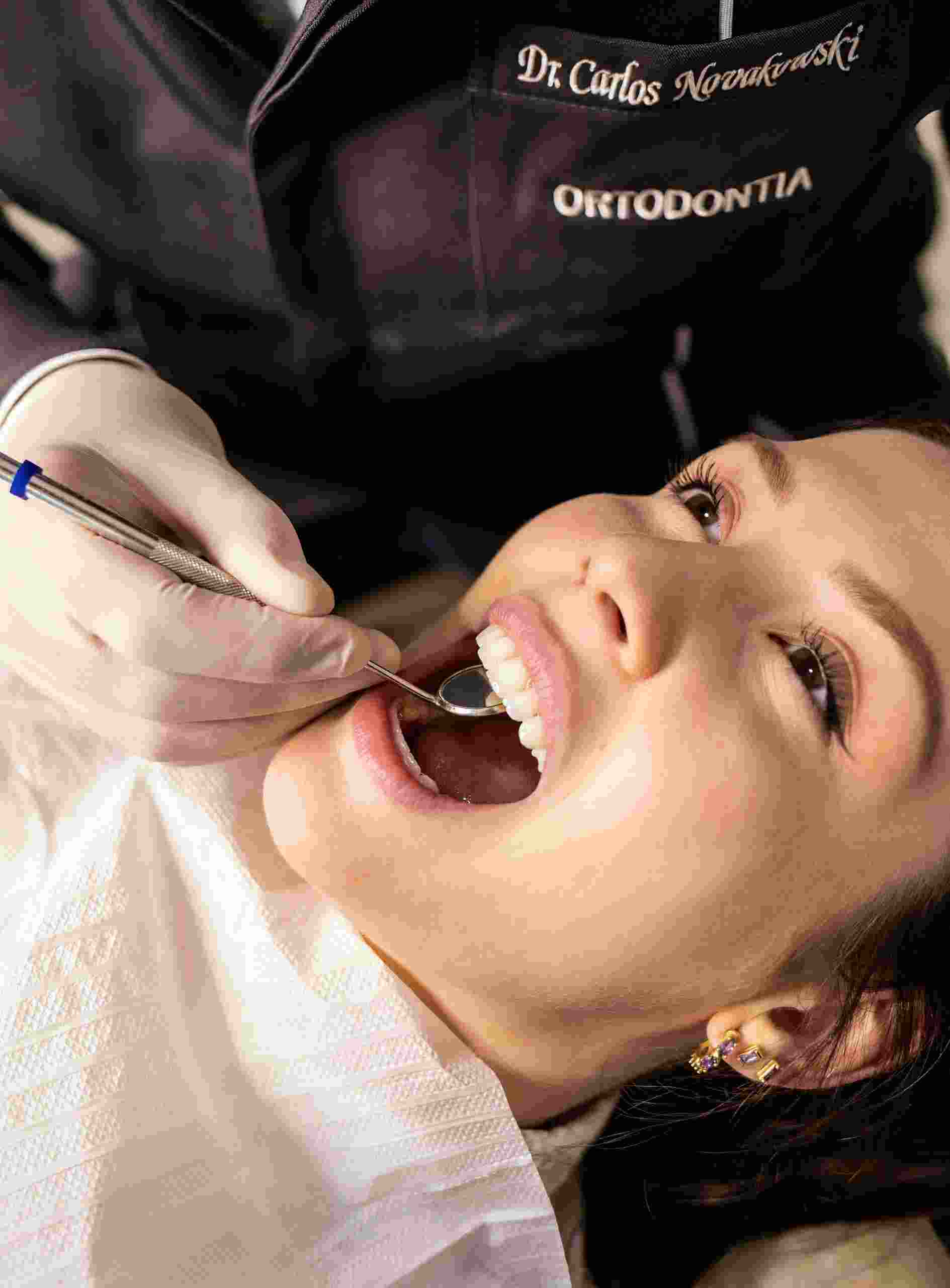
A Lending Network That Speaks Dental.
Dental-Specific Underwriting
One Profile, Multiple Offers
No Cost to You
Confidential & Secure
Trusted by Practices Nationwide
From solo practitioners to multi-location groups — here’s what our matched physicians have shared.
Dr. Sarah Chen, DDS
General Dentistry · Texas
Dr. Marcus Ellis, DMD
Endodontics · Florida
Dr. Priya Nair, DDS
Pediatric Dentistry · Colorado
Ready to Grow Your Practice?
BELOW THIS LINE IS FOR SEO RANKING AND INFORMATION PURPOSES!!!
Dental Practice Financing in 2026: Technology, Startups, Improvements, and Practice Ownership
Building a dental practice requires a combination of clinical expertise, business planning, technology, staffing, and capital. A dentist may need funding to open a first location, purchase advanced restorative technology, renovate an existing office, acquire a practice, or transition from associate to owner.
These investments have very different financial characteristics. Digital equipment may have a relatively short technology cycle, while construction and real estate improvements can provide value for many years. Acquiring an established practice involves evaluating existing cash flow, patients, staff, equipment, and contractual obligations. Starting from scratch requires enough liquidity to operate while patient volume develops.
A sound financial plan should therefore identify the complete project cost, expected useful life of major assets, working-capital requirements, and realistic sources of repayment. Dentists should also build contingency reserves into their plans because construction delays, technology changes, hiring expenses, or slower patient growth can affect initial projections.
The following nine sections examine technology purchases, practice openings, entrepreneurship, renovations, acquisitions, financing costs, SBA programs, underwriting, and long-term dental-business planning.
1. Develop a Complete Dental Capital Budget
Dentists considering CAD CAM financing should calculate the complete investment in scanning, design, milling, software, accessories, installation, training, service, and related technology rather than looking only at the primary equipment price.
Doctors researching dental office launch financing should prepare comprehensive budgets covering construction, equipment, technology, furniture, lease deposits, professional expenses, marketing, payroll, supplies, and working capital.
Applicants seeking dental entrepreneur funding should clearly identify which expenses are essential for opening and which investments could reasonably be delayed until patient volume develops.
Established practices evaluating dental office improvement loans should define whether the project addresses capacity, workflow, patient experience, equipment installation, accessibility, or another specific business objective.
Dentists exploring dental ownership financing should calculate acquisition expenses, professional fees, working capital, equipment upgrades, transition costs, and other expenditures associated with becoming an owner.
Additional educational information about financing dental businesses is available through DentalGrowthLoans.com.
2. Evaluate Digital Dentistry Technology Carefully
Practices pursuing CAD CAM financing should estimate anticipated utilization and determine whether the equipment complements the procedures and patient volume of the office.
Dentists using dental office launch financing should decide whether sophisticated digital systems are necessary at opening or can be introduced after collections become more predictable.
Doctors seeking dental entrepreneur funding for technology should consider both the potential operational benefits and recurring expenses associated with software, service agreements, maintenance, and upgrades.
Owners considering dental office improvement loans should evaluate whether technology purchases improve an identifiable bottleneck in treatment, scheduling, laboratory workflow, or clinical capacity.
Applicants researching dental ownership financing should inspect technology included in an acquisition and determine whether major replacements are likely shortly after closing.
Digital dentistry can involve scanners, design software, milling equipment, imaging systems, computers, networking, and other interconnected components. A comprehensive budget can reduce the risk of purchasing a primary system without sufficient capital for everything required to implement it.
3. Plan a New Dental Office Around Cash Flow
Doctors using CAD CAM financing in a startup should include technology payments in monthly projections before committing to a large equipment package.
Applicants seeking dental office launch financing should forecast rent, payroll, utilities, insurance, laboratory expenses, supplies, software, marketing, and debt payments during the early months of operation.
Dentists pursuing dental entrepreneur funding should develop conservative assumptions about patient acquisition, scheduling, treatment acceptance, collections, and staffing.
Owners evaluating dental office improvement loans for a recently opened practice should make sure the proposed project addresses a real capacity or operational problem.
Doctors considering dental ownership financing as an alternative to starting from scratch should compare the cost and risk of acquiring existing cash flow with developing a new patient base.
A new practice can begin accumulating expenses long before collections stabilize. Working capital can therefore be just as important as clinical equipment. Dentists should avoid spending nearly all available resources on construction and technology while leaving insufficient liquidity for normal operations.
4. Finance Improvements With a Defined Purpose
Owners carrying CAD CAM financing should consider existing technology payments before committing to another major office project.
Practices using dental office launch financing should incorporate required construction and leasehold improvements into the original startup budget whenever those costs can reasonably be identified.
Dentists seeking dental entrepreneur funding for an established office should document how proposed improvements are expected to support productivity, capacity, workflow, or another business objective.
Applicants considering dental office improvement loans should obtain detailed contractor estimates and include contingency reserves for unexpected construction expenses.
Owners evaluating dental ownership financing should determine whether an acquired practice requires renovations immediately or whether some improvements can be postponed until after the transition.
Improvements can range from additional operatories and sterilization areas to reception spaces, cabinetry, flooring, electrical systems, accessibility modifications, and technology infrastructure. The project should be evaluated according to its operational purpose rather than appearance alone.
5. Compare the Potential Cost of Financing
Applicants researching CAD CAM financing should compare rates, fees, repayment periods, required contributions, collateral requirements, and total financing cost.
Doctors evaluating dental office launch financing should stress-test payments against slower patient growth, delayed collections, higher payroll, and unexpected operating expenses.
Dentists comparing dental entrepreneur funding options should evaluate the complete financing agreement rather than focusing exclusively on the advertised monthly payment.
Practices seeking dental office improvement loans should consider whether the repayment period is reasonable relative to the useful life of the improvements.
Applicants exploring dental ownership financing should determine whether projected post-acquisition cash flow can comfortably support debt service under conservative assumptions.
Consider a hypothetical $500,000 dental project amortized over 10 years:
| Illustrative Rate | Approx. Monthly Payment | Approx. Total Repaid |
|---|---|---|
| 6% | $5,551 | $666,120 |
| 7% | $5,805 | $696,600 |
| 8% | $6,066 | $727,920 |
| 9% | $6,334 | $760,080 |
| 10% | $6,608 | $792,960 |
Illustrative Monthly Payment Graph
$6,800 |                              █
$6,600 |                              █
$6,400 |                       █      █
$6,200 |                       █      █
$6,000 |                █      █      █
$5,800 |         █      █      █      █
$5,600 |  █      █      █      █      █
$5,400 |  █      █      █      █      █
       +-----------------------------------
          6%     7%     8%     9%    10%
The table and graph are hypothetical educational illustrations. They are not current lender quotes, advertised market rates, guaranteed terms, or representations of financing available to any particular applicant.
6. Protect Working Capital During Growth
Practices carrying CAD CAM financing should budget for software, maintenance, service, materials, repairs, training, and eventual technology replacement in addition to scheduled payments.
Doctors using dental office launch financing should preserve sufficient liquidity for payroll, rent, utilities, insurance, laboratory costs, supplies, marketing, and other recurring expenses.
Dentists obtaining dental entrepreneur funding should maintain contingency reserves rather than investing every available dollar in fixed assets before revenue stabilizes.
Owners carrying dental office improvement loans should consider how construction disruption could temporarily affect scheduling, production, staffing, or collections.
Applicants using dental ownership financing should maintain adequate post-closing reserves because patient retention, staffing, collections, and transition expenses may differ from projections.
A dental business can own valuable equipment while still experiencing cash-flow problems. Liquidity provides flexibility when collections slow, equipment breaks, construction runs over budget, or staffing costs increase unexpectedly.
7. Explore SBA-Backed Financing Programs
Dentists seeking CAD CAM financing can investigate whether qualifying equipment may be incorporated into an eligible SBA-backed business project.
Applicants considering dental office launch financing can review SBA programs when startup expenses involve qualifying equipment, furniture, fixtures, working capital, real estate, or other eligible purposes.
Doctors researching dental entrepreneur funding can compare SBA-backed financing with conventional bank, equipment, and other legitimate business-financing alternatives.
Established practices evaluating dental office improvement loans can investigate SBA programs when qualifying improvements are part of an eligible business project.
Dentists seeking dental ownership financing can review the SBA 7(a) program because qualifying complete or partial ownership changes are among the program’s permitted uses.
The SBA 7(a) Loan Program supports several eligible business purposes, including equipment, working capital, real estate, and certain ownership changes. Practices planning qualifying major fixed-asset projects can also review the SBA 504 Loan Program.
SBA backing does not mean automatic approval. Program eligibility and participating-provider underwriting requirements apply.
8. Prepare a Strong Financing Application
Applicants seeking CAD CAM financing should prepare vendor proposals detailing hardware, software, accessories, installation, training, warranties, and total acquisition cost.
Dentists applying for dental office launch financing should organize requested financial information, construction estimates, equipment proposals, lease documents, business plans, staffing assumptions, and cash-flow projections.
Doctors pursuing dental entrepreneur funding should be prepared to explain the business model, proposed location, services, intended use of funds, expected patient development, and repayment strategy.
Practices requesting dental office improvement loans should prepare contractor estimates, project scopes, timelines, and contingency budgets.
Applicants seeking dental ownership financing should organize requested acquisition documents, historical practice information, purchase terms, equipment details, and post-acquisition projections.
Complete documentation cannot guarantee approval, but it can help a provider evaluate the request. Detailed planning can also reveal underestimated expenses before the dentist signs construction, equipment, or acquisition agreements.
DentalGrowthLoans.com provides additional educational information about dental equipment funding and first-practice funding options.
9. Develop a Long-Term Practice Capital Strategy
Owners repaying CAD CAM financing should track utilization, materials, maintenance, software, service expenses, downtime, training, and eventual replacement requirements.
Practices carrying dental office launch financing should compare actual patient growth, collections, payroll, occupancy, marketing, and operating expenses with original projections.
Dentists who obtained dental entrepreneur funding should measure whether financed investments create the capacity, workflow improvements, or financial results originally anticipated.
Businesses repaying dental office improvement loans should evaluate whether completed renovations improve clinical workflow, patient experience, capacity, efficiency, or another defined objective.
Owners carrying dental ownership financing should monitor patient retention, staffing, collections, overhead, equipment expenses, and debt service following the transition.
A multi-year capital strategy can coordinate digital equipment, imaging systems, operatories, sterilization equipment, renovations, property, acquisitions, and additional locations. Staging investments can help prevent several major obligations from beginning at once.
Practice owners can find general small-business information through U.S. Small Business Administration. For information about depreciation of qualifying business property, owners can consult IRS Publication 946 and an appropriate tax professional.
Final Thoughts
Opening, improving, or acquiring a dental practice involves more than purchasing clinical equipment. Dentists must coordinate technology, construction, staffing, marketing, working capital, and debt while continuing to focus on patient care.
Digital restorative technology illustrates the importance of evaluating the entire investment rather than a single piece of equipment. A system may involve scanners, design software, milling equipment, workstations, materials, training, service agreements, and continuing software expenses.
Utilization is critical. Expensive technology that is rarely used can create financial pressure, while equipment that supports a meaningful volume of appropriate procedures may provide operational benefits.
Dentists should estimate usage conservatively and avoid assuming that buying technology automatically creates additional patients or revenue.
New-practice planning creates a different challenge. Construction and equipment often receive most of the attention because they represent highly visible expenses, but operating liquidity can be equally important.
Rent, payroll, insurance, utilities, software, laboratory bills, supplies, marketing, and debt payments can begin before patient collections reach a stable level.
A startup budget should therefore extend beyond opening day. Monthly cash-flow projections can help owners estimate how much money the practice may require during the early operating period.
Dentists should distinguish production from collections as well. Completing treatment does not necessarily mean the corresponding revenue becomes immediately available.
Insurance processing, patient payment arrangements, billing procedures, and collection timing can create delays between clinical production and cash receipts.
Entrepreneurial dentists should also consider which investments are essential and which can wait. Purchasing every desired technology before opening can consume working capital that may be more valuable during the first several months.
A staged investment strategy can allow the practice to add equipment as actual patient demand develops.
Office improvements should have a defined business purpose. Renovations might increase capacity, improve workflow, accommodate new equipment, modernize sterilization areas, address accessibility, or improve patient experience.
Detailed contractor estimates are important, particularly when construction involves specialized plumbing, electrical, networking, cabinetry, or clinical systems.
Contingency reserves can provide protection against change orders and unexpected construction conditions.
Practice ownership through acquisition requires another level of analysis. Buyers should evaluate historical financial performance, patient activity, staffing, equipment condition, lease obligations, overhead, and transition issues.
Professional legal, accounting, and valuation advice can be valuable when assessing an acquisition.
The purchase price should not be viewed as the complete investment. A buyer may also need working capital, professional fees, technology upgrades, repairs, renovations, marketing, or employee-related expenditures following closing.
These foreseeable costs should be incorporated into the transaction budget whenever possible.
Debt structure matters throughout each stage. A longer repayment period may reduce the scheduled monthly payment while potentially increasing total financing expense.
A shorter term can reduce long-term interest but create greater immediate pressure on cash flow.
The expected useful life of an asset can help guide the decision. Rapidly changing technology generally deserves a different repayment analysis from long-lived improvements or real estate.
SBA-backed programs can provide possible options for qualifying dental businesses. The 7(a) program can accommodate several eligible business purposes, while the 504 program is designed around qualifying major fixed assets.
Availability of a program does not guarantee approval. Participating providers evaluate applicants, and program rules apply.
Dentists should also understand the role of the organizations involved in financing. A bank, lender, broker, marketplace, and affiliate website can perform different functions.
DentalGrowthLoans.com should be presented as an affiliate/lender-matching resource rather than the financial institution making final credit decisions. Actual providers determine approval, rates, fees, repayment periods, collateral requirements, and other contractual terms.
Tax considerations should be evaluated separately with qualified professionals. Equipment, software, startup costs, improvements, and acquisition-related expenditures can receive different tax treatment depending on the circumstances.
Dentists should avoid assuming a particular deduction or depreciation treatment before obtaining appropriate tax advice.
After completing an investment, owners should compare actual results with their projections. Patient growth, collections, equipment utilization, staffing, payroll, laboratory costs, occupancy, supplies, marketing, and debt payments can all provide useful information.
If an investment does not perform as expected, management can determine whether the original assumptions were unrealistic or whether operational changes are needed.
These lessons can strengthen future capital decisions.
Eventually, a dental business can maintain a multi-year schedule for technology replacement, additional operatories, renovations, acquisitions, real estate, and additional locations.
This approach allows management to prioritize investments rather than treating every capital requirement as an emergency.
No dental financing arrangement is automatically approved. Available amounts, rates, fees, collateral requirements, guarantees, repayment schedules, required contributions, and eligibility depend on the provider, program, applicant, and transaction.
A disciplined approach combines comprehensive budgeting, conservative projections, adequate liquidity, careful technology evaluation, appropriate acquisition due diligence, and ongoing financial measurement. These practices can help dentists move toward ownership and growth while protecting the financial flexibility needed to operate a sustainable practice.